







Historical and Cultural Importance of Nevado Ausangate
Nevado Ausangate occupies a central role in the Andean worldview. For centuries, it has been considered the principal Apu (sacred mountain spirit) of the Cusco region and beyond. In the Inca tradition, Apus were more than just physical features; they were spiritual guardians believed to communicate with humans and intervene in the natural world. Ausangate, as the highest and most dominant peak in the region, was revered as a father figure—balancing the cosmic energies and ensuring harmony between the earth and sky.
During the Inca Empire, offerings such as coca leaves, chicha (corn beer), and animal sacrifices were made to Ausangate to ensure fertile crops, protect livestock, and maintain social balance. Pilgrimages to the mountain were acts of devotion and gratitude, especially for communities dependent on high-altitude farming and herding.
Today, Ausangate remains the centerpiece of the annual Qoyllur Rit’i pilgrimage—one of the largest indigenous festivals in the Americas. Celebrated shortly before the Catholic festival of Corpus Christi, Qoyllur Rit’i brings together over 10,000 pilgrims who ascend the glaciers to perform ritual dances, music, and offerings. The festival beautifully illustrates the blend of Andean cosmology with Catholic elements, making Nevado Ausangate not just a mountain, but a living spiritual tradition.
Geographical Features of Nevado Ausangate
Rising over 6,300 meters, Nevado Ausangate is the fifth highest mountain in Peru and the tallest in the Vilcanota range. Its terrain is as rugged as it is breathtaking, marked by massive glaciers, sharp ridgelines, highland grasslands, and volcanic rock formations.
Some of its most defining geographical characteristics include:
- Altitude and Glaciers: The summit reaches 6,384 meters, and is covered year-round with thick glaciers that feed several key rivers and lakes throughout the Andean plateau.
- Colorful Mineral Bands: The surrounding hills, including the famous Rainbow Mountain (Vinicunca), showcase stunning layers of red, ochre, turquoise, and lavender caused by mineral deposits like iron oxide, copper sulfate, and claystone.
- High-Altitude Lakes: There are over 15 glacial lakes around the mountain, such as Sibinacocha, Azulcocha (Blue Lake), Comercocha (Green Lake), and Pucacocha (Red Lake), each reflecting a different mineral composition and color.
- Thermal Hot Springs: Natural geothermal springs, such as those found in Pacchanta and Upis, offer warm relief to trekkers and are believed to have healing properties.
- Flora and Fauna: The area supports diverse wildlife like vicuñas, llamas, alpacas, the elusive Andean fox, condors, and more than 60 species of high-altitude birds. Flora includes ichu grass, queuña trees, and hardy mosses.
Thanks to its ecological importance, the Ausangate area is part of several conservation efforts that seek to preserve its fragile biodiversity in the face of climate change.
Legends and Symbolism of Nevado Ausangate
Nevado Ausangate is steeped in ancient legends and spiritual meaning. In traditional Andean cosmology, the mountain is seen as the elder brother of all the Apus in the southern Andes, including Salkantay and Veronica. It holds the responsibility of providing balance, guidance, and wisdom to the region.
One of the most well-known legends tells of a hidden lake of gold called Qori Qocha (“Golden Lake”), said to be deep within Ausangate. According to oral tradition, this sacred lake reveals itself only to those who approach the mountain with humility, purity, and a deep respect for Pachamama (Mother Earth). Another myth speaks of Ausangate being the first mountain to emerge after a great cosmic flood, taking on the sacred duty of protecting all living beings that followed.
Ausangate is also believed to be a spiritual portal—connecting the physical world to the divine. Shamans (paqos) often perform ceremonies here, offering coca leaves, prayers, and rituals to harness the mountain’s powerful energy. The mountain is not just a geographic feature; it is a sacred entity with memory, soul, and consciousness.
Tourist Experience at Nevado Ausangate
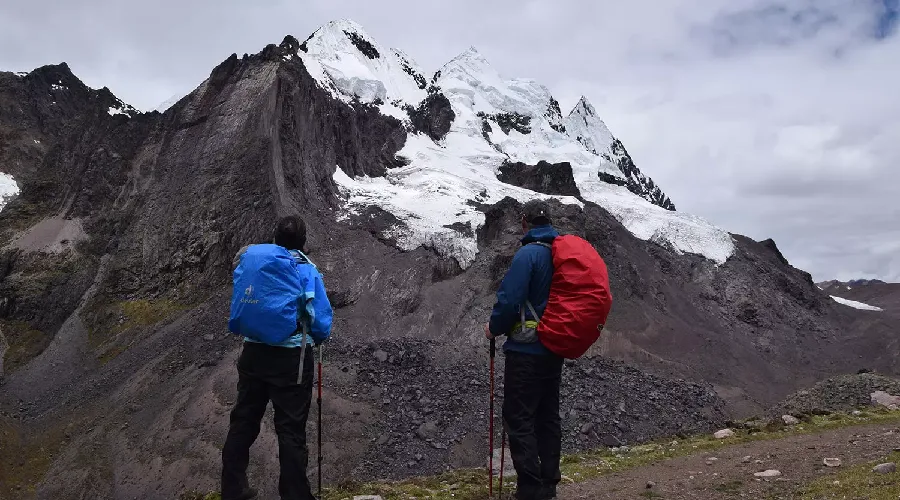
Trekking Nevado Ausangate is a once-in-a-lifetime experience. Unlike the crowded trails to Machu Picchu, this journey offers solitude, raw beauty, and a deeply personal connection with nature. The classic Ausangate Trek is considered one of the most beautiful and challenging in Peru, recommended for experienced hikers looking for off-the-beaten-path adventures.
Highlights of the experience include:
- Multi-Day Circuit: The full Ausangate Trek lasts between 4 and 6 days and covers over 70 kilometers (43 miles), looping around the massif and crossing several high-altitude passes.
- Vinicunca Extension: Many trekkers choose to add a day to visit Rainbow Mountain, one of the most Instagrammed locations in Peru.
- Remote Landscapes: Towering peaks, turquoise lakes, glacial valleys, and grassland plateaus dominate the landscape—unchanged for centuries.
- Thermal Relaxation: At the end of each day, trekkers can enjoy natural hot springs, easing sore muscles while stargazing under the Andean sky.
- Community Encounters: Along the trail, visitors pass through remote Quechua villages where ancient weaving techniques, farming methods, and spiritual beliefs are still practiced.
- Wildlife and Photography: Birdwatchers and photographers will find endless inspiration from the stark beauty and biodiversity of the region.
This trek is demanding but incredibly rewarding, offering a perfect blend of nature, culture, and adventure.

Tips for Visiting Nevado Ausangate
Visiting Nevado Ausangate requires careful planning and preparation. Here are essential tips for a safe and fulfilling journey:
- Acclimatization is Crucial: Spend 3–4 days in Cusco or the Sacred Valley to acclimate to the altitude before starting the trek.
- Get Physically Ready: Train with hikes that include elevation gain and endurance, as you’ll be walking long distances at high altitudes.
- Pack Proper Gear: Bring a high-quality sleeping bag rated to at least -10°C, layered thermal clothing, waterproof boots, walking poles, sunscreen, and water purification tablets.
- Respect Local Traditions: Ask permission before taking photos, learn basic Quechua phrases, and consider joining local rituals when invited.
- Hire Local Guides: Support community tourism by hiring licensed local guides and porters, who offer rich cultural insight and environmental knowledge.
- Best Time to Go: Visit between May and September when the dry season ensures better weather and clearer views.
Additionally, be mindful of the environment—carry out all trash, avoid single-use plastics, and tread lightly to preserve this fragile ecosystem.
Conclusion
Nevado Ausangate is not merely a mountain—it is a living symbol of Andean heritage, spirituality, and resilience. For centuries, it has shaped the lives and beliefs of those who live in its shadow. Today, it continues to draw adventurers, pilgrims, and seekers from around the world.
Trekking through its sacred valleys and standing beneath its glacial peaks is a transformative journey that reconnects you with nature, history, and yourself. Whether you come seeking solitude, cultural wisdom, or simply the awe of untouched wilderness, Nevado Ausangate offers an experience that stays with you forever.
Respect it, learn from it, and let it guide you. This sacred giant has much to teach those who approach with open hearts and curious minds.
[tours_c