






The Andean Baroque Route of the South Valley
The Andean Baroque Route of the South Valley in Cusco is a cultural gem that blends art, history, spirituality, and architecture into an unforgettable journey. This specialized route immerses you in the most refined expressions of Andean mestizo baroque, with churches and temples known for their richly decorated interiors, vibrant frescoes, and intricately carved altarpieces.
In this complete guide, you’ll discover everything you need to know to visit the Andean Baroque Route of Cusco’s South Valley: how to organize your trip, the temples you shouldn’t miss, useful tips, and historical insights that will enrich your spiritual and cultural experience in this remarkable region of Peru.
Each temple on this route is not only a work of art but also a living testament to the meeting of two worlds: European religious ideology and Andean worldview. This cultural fusion is reflected in hidden symbols, adapted images, and unique artistic styles found only in this part of Peru.
Cultural Importance of the Andean Baroque Route
Exploring the Andean Baroque Route of the South Valley is to experience one of Peru’s most important artistic legacies. This baroque art movement represents a unique fusion between European religious art and indigenous Andean traditions, visible in every mural, sculpture, and architectural detail.
- Cultural fusion: Religious imagery combines Christian symbols with elements of Andean spirituality and nature.
- Heritage conservation: Churches along the route have been preserved with the support of the Jesuit Order and local communities.
- Visual richness: Every temple is a masterpiece of mural painting, golden wood carving, and mestizo baroque craftsmanship.
- Spiritual education: The route is ideal for those seeking reflection, inspiration, or deeper connection with Andean-Catholic heritage.
Planning and Logistics
- Duration: Half-day tour (4–5 hours).
- Location: South Valley of Cusco, along the road connecting Cusco with Puno.
- Transportation: Private or shared tours, preferably with a guide specializing in art and history.
- Tickets: Recommended to purchase the “Andean Baroque Circuit Ticket” which grants access to all churches.
- Opening hours: Most temples are open from 8:30 a.m. to 5:00 p.m. Check seasonal hours in advance.
- Language: Guides available in Spanish and English.
Main Churches and Stops
The Andean Baroque Route includes several temples considered national artistic treasures of Peru. These are the highlights:
- Andahuaylillas: The Church of San Pedro Apóstol, often called the “Sistine Chapel of the Americas” for its stunning murals and golden-painted ceiling.
- Huaro: The Church of San Juan Bautista, famous for its vivid Last Judgment murals and impressive baroque altar.
- Canincunca: A small church on the banks of Lake Urcos, rich in symbolic artwork and surrounded by scenic beauty.
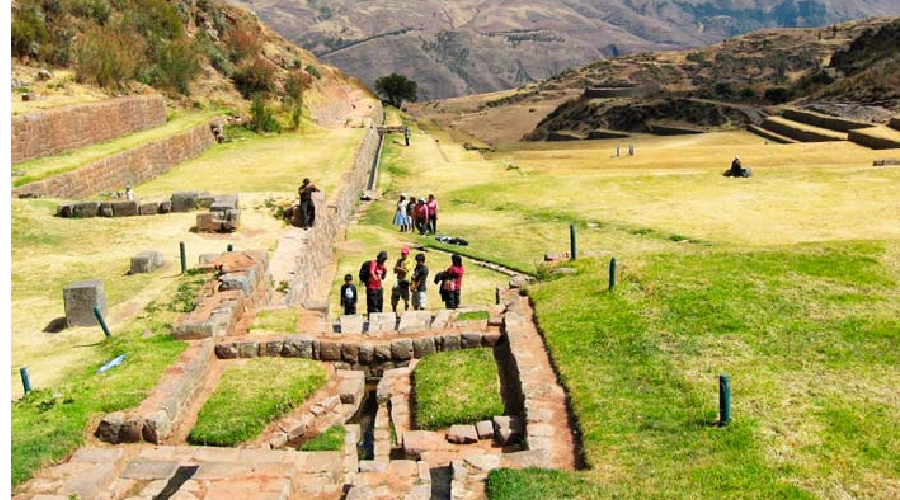
- Tipón and Oropesa: Optional stops where you can admire Inca engineering at Tipón and enjoy traditional pan chuta bread in Oropesa.
Tips for Enjoying the Route
- Go with a guide: The symbolic details in Andean baroque art are best appreciated with expert interpretation.
- Bring a light jacket: Churches can be cool inside and the weather can vary quickly in the South Valley.
- Avoid flash photography: Flash can damage murals—respect preservation efforts.
- Combine with local cuisine: Since you’re in the South Valley, finish your visit with a traditional lunch in Saylla or Tipón.
- Support local artisans: Buy handcrafted religious items or Andean textiles to support the local economy.
- Carry cash: Some churches and local shops do not accept credit cards.
Common Mistakes and How to Avoid Them
- Lack of context: Andean baroque art is filled with symbolism. Read up in advance or hire a knowledgeable guide.
- Ignoring dress codes: Modest clothing is recommended. Avoid sleeveless tops or short shorts inside churches.
- Overlooking schedules: Confirm opening hours, especially on holidays or during maintenance periods.
- Underestimating the time needed: Each church deserves 30 to 45 minutes to appreciate its full beauty.
- Not engaging with locals: The people of the South Valley are keepers of oral histories and legends that enrich your experience.
Conclusion
The Andean Baroque Route of the South Valley is a journey through the spiritual and artistic heart of Cusco. Every temple, mural, and altar invites you to understand the rich fusion between European Catholicism and Andean worldview—a powerful expression of Peru’s mestizo identity.
Whether you’re passionate about history, religious art, or simply want to explore something off the beaten path, this route offers a unique glimpse into one of Peru’s most impressive cultural expressions. The South Valley remains one of the best-kept secrets of the Andes, and its baroque legacy is one of its brightest treasures.