






South Valley Gastronomy: A Feast for the Senses
In the heart of Cusco lies the South Valley, a region that fuses tradition, breathtaking landscapes, and a culinary offering like no other. This area stands out not only for its history and natural beauty but also for its incredible gastronomic diversity. Exploring local cuisine here means immersing yourself in a universe of flavors, textures, and customs passed down from generation to generation.
This guide will show you why South Valley gastronomy feeds more than just the body—it nourishes the soul. We’ll take you on a complete journey: from its unique ingredients to the culinary rituals that define the identity of the people of Cusco.
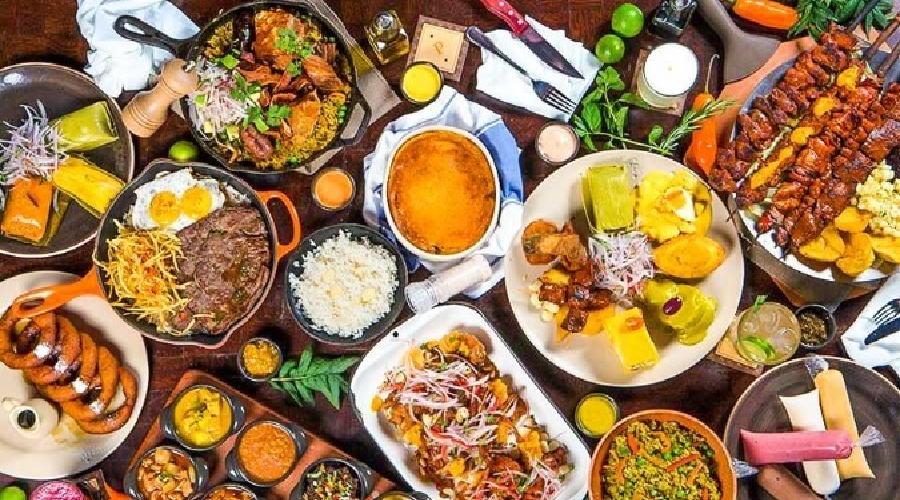
Gastronomic Richness
The South Valley is home to traditional villages where every recipe has a story. Families in this region proudly preserve the techniques and secrets inherited from their ancestors. Each dish represents a piece of living history and culture.
- Inca and colonial legacy: Today’s cuisine results from a fusion of indigenous traditions and European influence.
- Homestyle flavors: Most dishes are made using fresh ingredients harvested from local farmlands.
- Preserved customs: Many towns still celebrate festivities with ceremonial meals, like huatia or chiri uchu.
- Local economy: Traditional cuisine strengthens gastronomic tourism and generates income for local residents.
Authentic Ingredients and Techniques
The biodiversity of the South Valley provides unique ingredients that form the foundation of its rich cuisine. Respect for the land and the seasons is reflected in how foods are chosen and prepared.
- Native potatoes: Peru boasts over 3,000 potato varieties, many of which are cultivated here. They’re used in soups, stews, appetizers, and as side dishes.
- Corn: In forms like mote, cancha, chicha, tamales, or humitas, corn is central to the Andean diet.
- Native peppers: Yellow chili, rocoto, and ají panca add flavor and color—each with a unique level of spice and aroma.
- Local meats: Guinea pig, trout, alpaca, and pork are staples in local menus, often cooked in traditional clay ovens or grilled.
- Incan techniques: Cooking in a huatia (earth oven), natural corn fermentation, and drying meat to make charqui are still practiced.
Signature Dishes
Tasting the typical dishes of the South Valley is a journey into the heart of Andean culinary culture. Here are the most iconic:
- Oven-roasted guinea pig: Seasoned with huacatay, garlic, and cumin, baked in a clay oven, and served with native potatoes and fresh salad.
- Fried trout: Fresh from nearby lakes and rivers, served crispy with rice, potatoes, and criolla sauce.
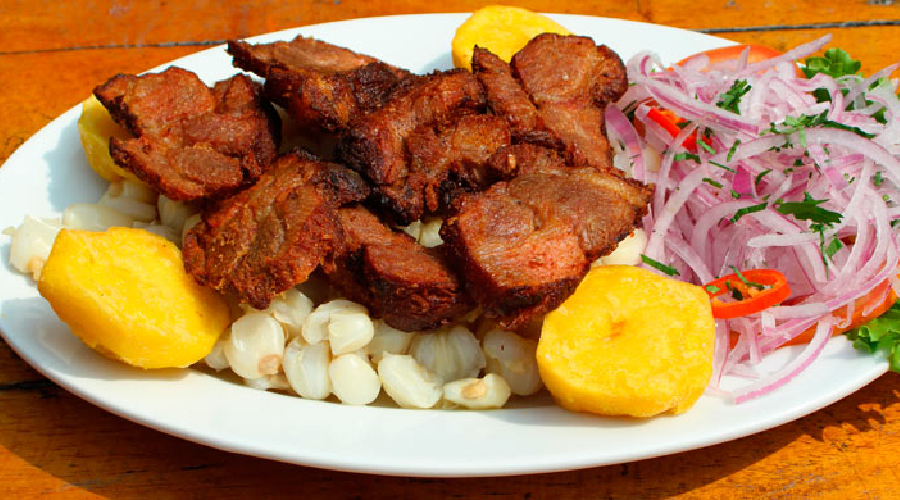
- Pork chicharrón: A favorite in Saylla—pork fried in its own fat, served with corn, chili sauce, and onion salad.
- Pan chuta: The pride of Oropesa. A sweet, fluffy bread flavored with anise and baked in wood-fired ovens.
- Hen broth: Perfect for recharging energy. Made with potatoes, noodles, boiled egg, and free-range chicken.
- Chairo soup: A traditional soup made with dried meat (charqui), vegetables, potatoes, corn, and freeze-dried potatoes (chuño). Nutritious and comforting.
A Sensory Experience
Eating in the South Valley is a multisensory experience. It’s not just about flavor, but everything that happens around the table.
- Sight: Dishes are presented with vibrant colors and natural decorations.
- Smell: The scent of boiling corn, burning coals, and fresh herbs fills the air.
- Taste: Every bite offers a balanced mix of sweetness, saltiness, and spiciness.
- Sound: The buzz of the market, the knife slicing ingredients, or the bubbling of pots enhance the moment.
- Touch: Eating with your hands in some cases is customary and adds a personal connection to the food.
Many local eateries also offer live cooking demonstrations, adding an educational and interactive element to the culinary experience for curious visitors.
Tips to Enjoy
- Arrive early: Some traditional kitchens only prepare a limited amount each day.
- Explore off the beaten path: The most memorable meals are often in less touristy spots.
- Ask for recommendations: Speak with your guide or locals to know what and where to eat.
- Respect traditions: If offered food as a gesture of hospitality, accept it with gratitude.
- Be adventurous: Try new ingredients like chuño or charqui—you may love them!
- Check local festivities: Many communities host food-centered festivals you can visit.
Conclusion
South Valley gastronomy is not just a side note of a trip to Cusco—it’s the heart of its cultural identity. Tasting its dishes means understanding the living history of a people who honor their past and turn it into flavor.
If you’re looking for an authentic way to experience Peru, visiting ruins and museums isn’t enough. You must sit at a Cusqueñan table, share a traditional meal, and let your taste buds lead you through the Andes.
The South Valley awaits with open arms and a table ready to serve you.