





Andean Baroque Route – Specialized Tour
The Andean Baroque Route is a unique cultural experience that connects art, history, and spirituality through a journey across the most iconic colonial churches of Cusco’s Andean Baroque Route. This specialized tour takes you to temples adorned with an artistic style that blends Andean traditions with European baroque, creating a profoundly mestizo visual and symbolic language.
Ideal for lovers of religious art, historians, photographers, and travelers interested in Peru’s cultural heritage, this route provides an in-depth look at a key period in the evolution of colonial Andean identity and thought.
In this guide, you’ll find all the essential information to plan your visit: which churches are part of the route, how to get there, the best times to go, and which artistic elements to look out for in each temple.
Where is the Andean Baroque Route?
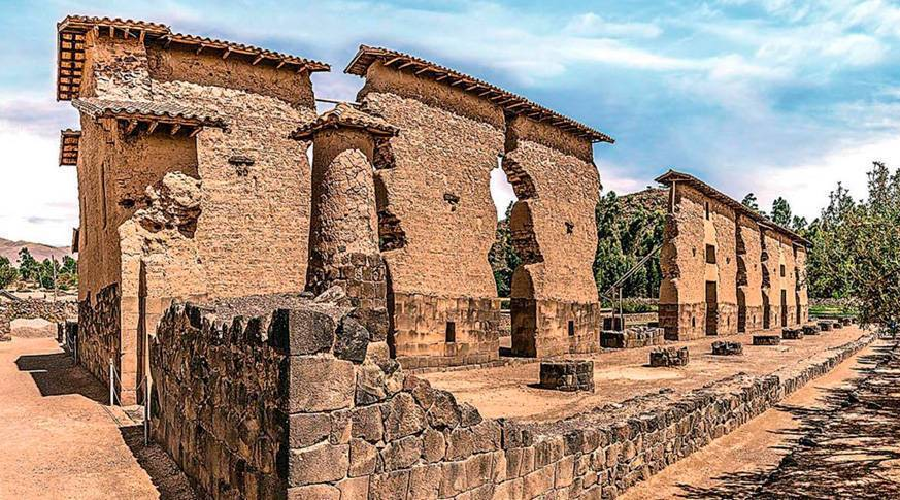
The Andean Baroque Route unfolds across Cusco’s Andean Baroque Route, following the road that connects the city with Urcos. Along this route, four remarkable churches form the core of the experience:
- Jesuit Church – Cusco: The starting point to contextualize the Cusqueñean Baroque.
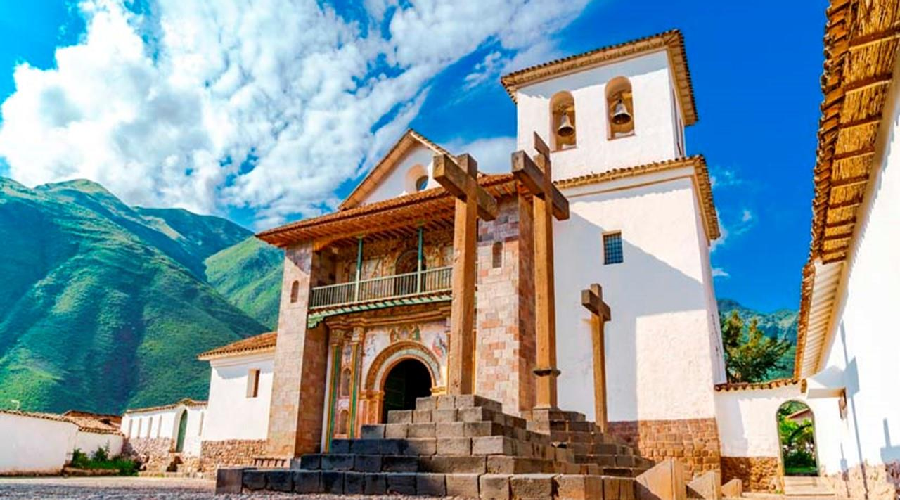
- San Pedro Apostle Church – Andahuaylillas: Known as the Sistine Chapel of the Americas.
- San Juan Bautista Church – Huaro: Renowned for its collection of paintings by the master Tadeo Escalante.
- San Pablo Church – Canincunca: An architectural gem located on the shores of Lake Urcos.
Thanks to its proximity to Cusco (about 35 to 45 km), it’s an excellent choice for a half-day or full-day excursion, especially for those seeking to immerse themselves in the artistic and spiritual core of the Andean Baroque Route.
Tour Highlights
The Andean Baroque Route Tour offers a unique opportunity to admire some of Peru’s most important colonial temples. Each space is filled with history and symbolism and displays artwork dating back to the 17th and 18th centuries.
- Andahuaylillas: Golden altarpieces, mural frescoes, ornate ceilings, and paintings from the Cusqueñean school.
- Huaro: Dramatic and expressive murals depicting the Last Judgment and biblical scenes.
- Canincunca: Mestizo icons, gilded altars, and a peaceful setting surrounded by the lake’s natural beauty.
The experience is enriched by a specialized guide who interprets Andean and Christian symbols in the artwork, revealing the local worldview that still lives on today.
Andean Baroque Art
Andean Baroque is an artistic style born from the encounter between European and indigenous worlds. In the churches along the Andean Baroque Route, this fusion can be seen on multiple levels:
- Depictions of Virgins with Andean features.
- Angels holding bows and arrows instead of swords.
- Native plant motifs and sacred animals such as the condor and puma integrated into the decor.
This art was a tool of evangelization, but also a form of cultural resistance. Through the use of local symbols and traditional techniques, indigenous artists conveyed messages that are still interpreted in multiple ways today.
Climate and Best Time to Visit
The weather in the Andean Baroque Route region is mild, with sunny days and cool nights. The best seasons to enjoy the Andean Baroque Route are:
- May to September: Dry season. Fewer rains, clear skies, and better visibility to admire architectural details.
- Holy Week and religious festivities: Ideal to witness local devotion and churches in full spiritual activity.
Layered clothing, a hat, sunscreen, and water are recommended, as some visits involve short walks at altitudes over 3,000 meters above sea level.
Access and Transportation
There are various ways to access the Andean Baroque Route:
- Guided tour: Includes transportation, a religious art expert guide, and entrance tickets to the churches.
- Private transport: Ideal if you want to take your time for photography or stop at scenic viewpoints.
- Public bus: From Cusco to Urcos. Requires more planning and does not include tickets or guide service.
Most churches are open from 9:00 AM to 5:00 PM. It’s recommended to confirm current schedules, as they may vary due to festivals or restorations.
Estimated Budget for the Andean Baroque Route
The cost of the Andean Baroque Route Tour varies depending on the tour operator and service level. Here’s a general reference:
- Group tour: Between S/ 80 and S/ 120 per person.
- Private tour: From S/ 250 for 2 to 4 people.
- Andean Religious Circuit Ticket: S/ 20 – Includes entry to the churches.
- Lunch along the route: S/ 25 – S/ 40 in local restaurants.
- Self-arranged transportation: S/ 10 – S/ 15 per leg by colectivo.
An accessible and enriching experience for those who value the cultural heritage of the Andean Baroque Route.
Tips and Recommendations
- Bring cash: Some rural churches and shops do not accept cards.
- Hire certified guides: Artistic interpretation improves significantly with a specialist guide.
- Respect sacred spaces: Don’t use flash or enter restricted areas.
- Visit in the morning: Fewer visitors and better light for photography.
- Include the route in your itinerary: It complements nearby destinations like Tipón or Huacarpay.
Conclusion
The Andean Baroque Route is a unique experience that blends spirituality, art, and history in the heart of the Andean Baroque Route. Through its temples, one can understand the complexity of cultural blending in the Andes, reflected in altars, frescoes, and deeply meaningful symbols.
This specialized tour not only enriches the traveler’s cultural knowledge but also offers a deep connection with the artistic and spiritual legacy of the Andean people. If you’re looking for a different, profound, and visually stunning experience, the Andean Baroque Route will be a highlight of your visit to Cusco.