







Historical and Cultural Significance of Choquequirao
The archaeological site of Choquequirao was one of the last Inca strongholds resisting Spanish conquest. Built in the 15th century, likely under the reign of Pachacutec or his successor Tupac Inca Yupanqui, it served as a strategic political, ceremonial, and agricultural hub.
This site shares a profound connection with Machu Picchu, not only in its architecture but also in its role as a key node in the Qhapaq Ñan road network. Its current isolation stems from its rugged geography, which has preserved its mystique and untouched beauty.
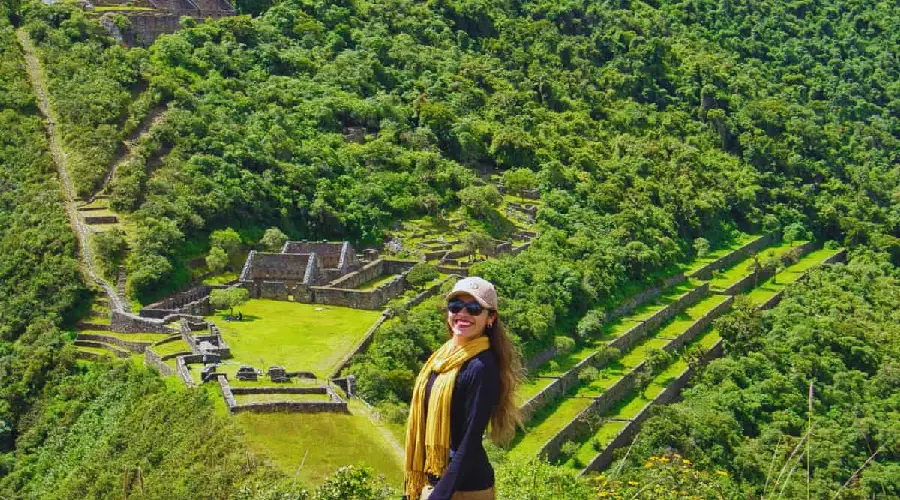
From a photographic perspective, its value lies in capturing majestic structures veiled in mist, endless terraces, and sacred temples nestled in cloud-forested mountains. Documenting Choquequirao is a tribute to one of the most advanced civilizations of pre-Columbian America.
Geographical Features of Choquequirao
The Photographic Trek to Choquequirao allows you to explore a complex and awe-inspiring landscape that challenges both body and camera.
Among its most striking features are:
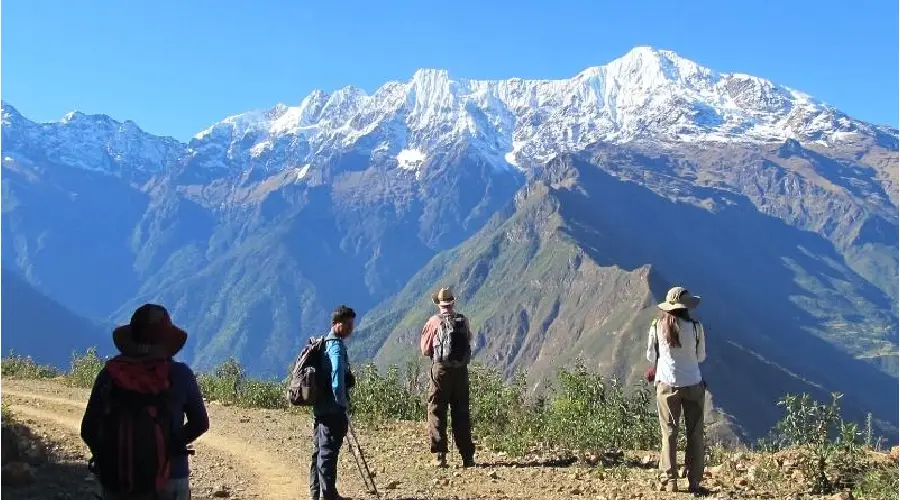
- Remote location: Perched atop the Apurímac canyon, the site is surrounded by lush subtropical vegetation and deep views of the river below.
- Altitudinal range: The trail climbs from 2,800 m to over 3,100 m, providing a variety of climates and plant life to photograph.
- Shifting microclimates: Morning fog, sunny afternoons, and starry nights offer ideal conditions for diverse photographic styles.
- Natural architectural setting: Agricultural terraces, ceremonial platforms, water channels, and mountain-bordered structures provide a unique historical aesthetic.
The blend of ancient ruins and untamed scenery makes this trek a one-of-a-kind photographic adventure.
Legends and Symbolism of Choquequirao
Choquequirao, meaning “Cradle of Gold” in Quechua, is surrounded by an aura of mystery. It is believed to have served as a spiritual sanctuary and political refuge for the last Incas—a hidden site accessed only by the most loyal followers.
Some oral traditions suggest this location is energetically connected to other sacred places such as Machu Picchu and Vilcabamba, forming part of a spiritual power network. It is said that secrets still lie beneath its soil, and time alone will reveal its full extent.
For photographers, these elements offer a powerful visual story. Each moss-covered wall, silent temple, and carved stone becomes a symbol of a culture that continues to breathe through its architecture.
Tourist Experience of the Photographic Trek to Choquequirao
The Photographic Trek to Choquequirao typically takes 4 to 5 days, with long hiking days across steep climbs and challenging descents. However, each step reveals new chances to capture unforgettable images.
The experience features:
- Key photo spots: Sunrise over the Apurímac canyon, suspension bridges over gorges, Inca stairways, and panoramic views of the site from elevated points.
- Cultural encounters: Rural communities in Capuliyoc, Cocamasana, and Marampata provide genuine portraits of deep Peru.
- Ruins without crowds: Unlike Machu Picchu, it’s possible to photograph structures without tourists, ideal for clean compositions.
- Scenic campsites: Rest areas are located on mountain terraces, perfect for astrophotography and night captures.
Though physically demanding, this trek rewards every effort with visuals that narrate a powerful and authentic story.
Tips for Visiting and Photographing Choquequirao
To make the most of your Photographic Trek to Choquequirao, consider the following expert tips:
- Proper gear: Use a DSLR or mirrorless camera with versatile lenses (wide-angle and telephoto), a lightweight tripod, extra batteries, and high-capacity memory cards.
- Weather protection: Bring dry bags for your equipment, a rain cover for your camera, and microfiber cloths for quick cleaning.
- Physical preparation: Train beforehand, as the trek involves 6 to 9 hours of daily hiking over steep terrain.
- Respect the site: Do not climb on walls or alter structures. Always ask permission before photographing locals, especially children and elders.
- Plan for light: Check sunrise and sunset times in advance. Early morning light offers the best mystical atmosphere for photos.
The dry season (May to October) is ideal due to clear skies and stable weather, enhancing the landscape’s photographic quality.
Conclusion
The Photographic Trek to Choquequirao stands out as one of the most authentic and visually enriching experiences in Andean tourism. This journey not only tests the photographer’s physical stamina and technique but also invites a deep reflection on history, resistance, and the ancient beauty still alive in these mountains.
Choquequirao is more than a destination—it’s a path to the essential. Capturing it through photography is a tribute to a culture that, though quieted by time, speaks loudly through each stone, each cloud, each sunbeam that touches its terraces.
[tours_carrusel]