






Introduction
Often referred to as the “sacred sister of Machu Picchu,” Choquequirao is one of Peru’s most breathtaking and less-traveled destinations. Nestled deep within the Apurímac Canyon, this ancient Inca archaeological site stands out for its mystique, grandeur, and spectacular natural surroundings.
In this guide, we share all the essential information for visiting Choquequirao: its precise location, access routes, ideal visiting season, and practical tips to help you plan your journey safely and efficiently.
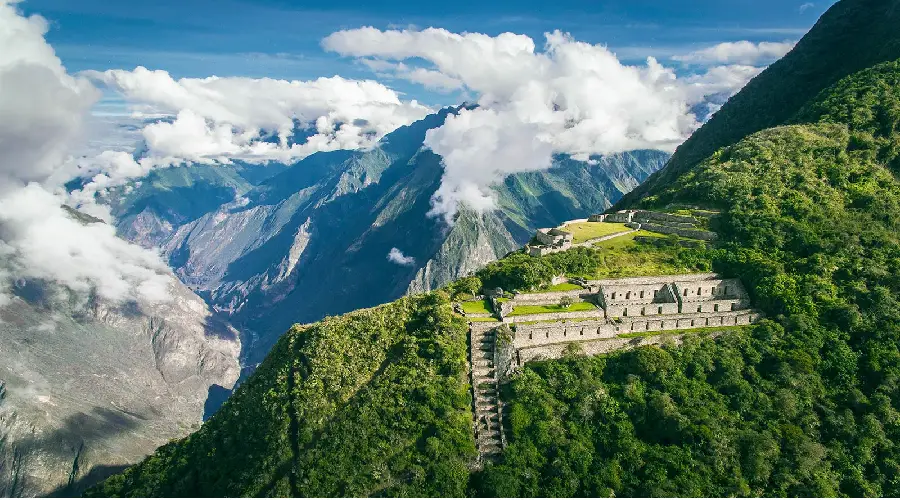
Where is Choquequirao Located?
Choquequirao lies in the Cusco region, within the province of La Convención and the district of Santa Teresa. It sits at an elevation of over 3,000 meters above sea level, nestled within the Vilcabamba mountain range.
Its secluded position, surrounded by rugged mountains, deep canyons, and the mighty Apurímac River, has helped preserve this Inca treasure from mass tourism, making it an exclusive trekking destination.
How to Get There
Currently, there is no direct road access to Choquequirao. Reaching the site requires a multi-day hike. There are three main routes:
- Classic Route from Cachora: The most popular route. Starts from the village of Cachora, about 4 hours from Cusco. The trail continues to the Capuliyoc viewpoint, descends to the Apurímac River, then ascends to Marampata, ending at the ruins.
- Alternative Route from Huanipaca: A more demanding and less traveled path. Begins near Abancay and offers breathtaking canyon views from unique angles.
- Epic Route to Machu Picchu: From Choquequirao, you can continue trekking to Machu Picchu on a 7+ day route via Yanama, Totora, and Lucmabamba.
Best Time to Visit
The optimal period to visit Choquequirao is from May to October, during the dry season. These months offer more consistent weather, clearer skies, and a reduced risk of rain, which can make hiking more difficult.
Avoid visiting from December to March, as frequent rainfall can make trails slippery and hazardous. In the dry season, you’re also more likely to enjoy clear sunrises and sunsets.
Trek Difficulty
The trek to Choquequirao is rated as moderate to challenging due to its steep elevation changes. The classic route from Cachora involves descending from Capuliyoc (3,000 m) to the Apurímac River (1,500 m), then climbing up to Marampata (2,850 m) before reaching the archaeological site.
This trek demands good physical condition, prior altitude acclimatization, and experience in multi-day hiking with significant elevation shifts.
Trek Duration
The standard duration for the classic Choquequirao trek is 4 to 5 days round trip. If you plan to continue to Machu Picchu, the full journey may take 7 to 8 days.
There are also express tour options of 3 days, though these are more physically demanding and allow less time to explore the archaeological site.
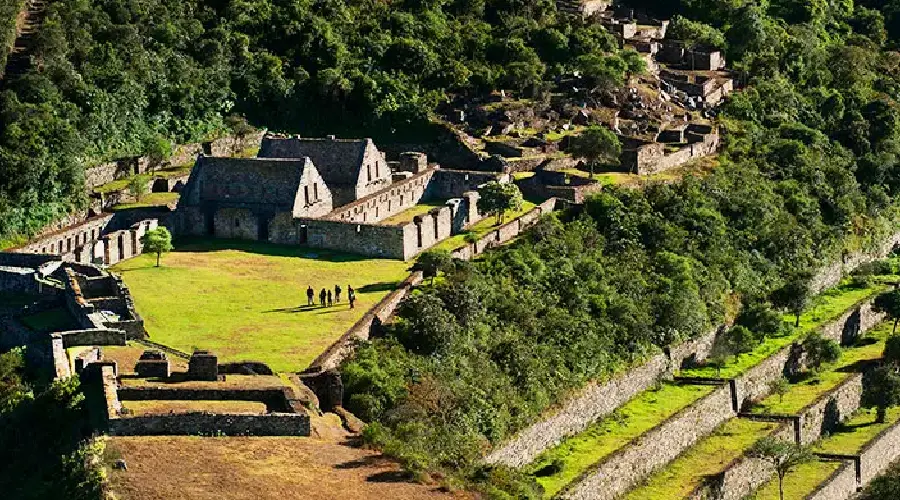
Infrastructure and Services
Choquequirao retains its off-the-beaten-path character, so services remain basic:
- Camping: Campsites are available at Capuliyoc, Playa Rosalina, and Marampata. Some offer simple toilets and tent rentals.
- Guides and Porters: Hiring a certified guide and porters is recommended, especially if you carry heavy gear.
- Meals: Some tour providers include full meals along the route. In Marampata, small hostels sell basic food items.
- Entrance Fee: Admission to Choquequirao costs around 60 soles for international visitors and 30 soles for Peruvian nationals.
General Recommendations
- Acclimatization: Spend at least 2 days in Cusco or another high-altitude location before starting the hike.
- Proper clothing: Wear layers, quick-dry clothes, a rain poncho, and a warm hat.
- Footwear: Use trekking boots with strong ankle support.
- Hydration and snacks: Bring a backpack with water, energy bars, and dried fruits.
- Leave no trace: Be respectful of nature and carry a bag for your trash.
- Hire licensed operators: This ensures safety and respect for local communities.
Frequently Asked Questions
Can you go to Choquequirao without a guide?
Yes, though it’s advisable to hire a guide if you’re inexperienced in high-altitude treks.
Is there phone signal?
Only at certain high points along the trail. Marampata may have partial coverage.
Is it safe to camp?
Yes, as long as you camp in designated areas. The trail is peaceful and generally secure.
How touristy is Choquequirao?
It remains a quiet destination, ideal for travelers seeking solitude and a deep connection with nature.
Conclusion
Choquequirao is far more than an alternative to Machu Picchu. It’s a transformative journey offering unforgettable landscapes, rich history, and a deep spiritual bond with the Peruvian Andes.
With this guide of essential information for visiting Choquequirao, you’re ready to embark on one of the most rewarding adventures of your life. Remember to honor nature, appreciate local culture, and savor each step of the trail.
Choquequirao awaits you with its hidden wonders and ancient energy!