






Flora and Fauna of Choquequirao: Living Nature in the High Andes
Choquequirao is much more than an Inca citadel hidden between mountains.
This destination blends history, archaeology, and nature in a unique setting where the
flora and fauna of Choquequirao become an essential part of the experience.
Located on the border between the Andes and the cloud forest, this sanctuary hosts an impressive biodiversity,
ideal for travelers who enjoy trekking, nature photography, and wildlife observation.
As visitors make their way toward the archaeological site, the landscape changes gradually:
first, dry zones appear with cacti and shrubs, followed by humid montane forests filled with orchids, bromeliads,
mosses, and giant ferns. This combination of ecosystems makes Choquequirao an open-air natural laboratory,
where it is possible to understand how plants, animals, and human communities coexist in the Andes.
In this guide, we explore the flora and fauna of Choquequirao, its ecosystems, endemic species,
and the ecological role this place plays within the Andes–Amazon biological corridor. We also share practical tips for
responsible wildlife watching and show how your visit, by choosing a responsible tour, can contribute
to the conservation of this natural environment.
Do you want to experience Choquequirao to the fullest?
Book the Choquequirao Tour and enjoy guided hikes, organized campsites, and spectacular views
of the Apurímac Canyon. We offer 4-day Choquequirao tours, all-inclusive options,
and packages combined with other Cusco destinations.
If after your adventure you want to keep exploring, you can also book other tours such as the
Rainbow Mountain,the Humantay Lake,or a Machu Picchu tour to complete an unforgettable travel experience in Cusco. This way, you turn a trekking trip into a complete circuit
through the best of the Andes.
Choquequirao Ecosystems
Choquequirao is located approximately between 1,500 and 3,100 meters above sea level,
which generates a remarkable variety of microclimates and ecosystems. This altitude range allows
cold, temperate, and warm-climate species to coexist in the same environment.
For travelers, this means walking through very different landscapes within just a few kilometers,
each with its own unique combination of plants and animals.
- Humid Montane Forest: One of the most representative ecosystems of the area,
characterized by constant mist, tall trees, vines, orchids, and mosses.
This environment provides shade, moisture, and ideal shelter for birds, mammals, and amphibians. - Andean Transition Zone: Here, cloud forest species mix with high-Andean vegetation.
It is common to see shrubs, small wildflowers, and cold-resistant trees that act as biological corridors for wildlife. - High-Andean Shrubland: Dominated by queuña trees, chillca shrubs, and plants capable of withstanding
strong winds, intense sunlight, and sudden temperature changes. This ecosystem is essential for species such as
the Andean deer and various birds of prey.
Thanks to the coexistence of these ecosystems, Choquequirao functions as a natural refuge for numerous
species that could not survive in more altered environments. This diversity also makes the
Choquequirao trek one of the most appealing for travelers seeking living nature and
authentic experiences far from crowds.
Flora of Choquequirao
The flora of Choquequirao is one of the great attractions of the journey. Throughout the trek,
visitors can observe how the vegetation changes in color, texture, and size. Plants play a fundamental role in soil stability,
water regulation, and feeding local wildlife. Additionally, many species have traditional uses for Andean communities,
whether in medicine, construction, or food.
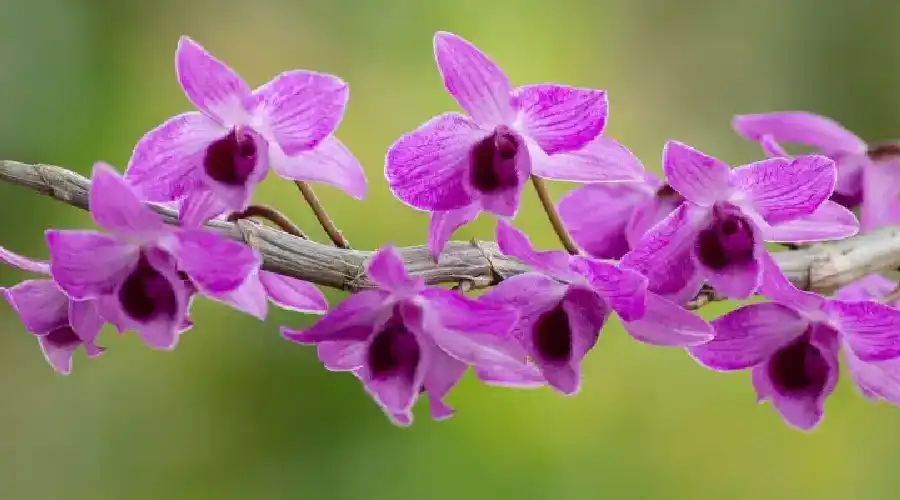
- Orchids: Choquequirao is home to numerous wild orchid species, many of them endemic.
Their shapes and colors range from white and yellow to deep purple. They bloom especially during the rainy season,
adding natural elegance to the montane forest. - Bromeliads: These epiphytic plants grow on trunks and rocks, storing water in their rosettes.
They serve as shelter and hydration sources for insects, amphibians, and small reptiles. - Pisonay and Queuña Trees: Andean trees of great ecological and cultural importance.
The queuña, for example, helps protect the soil from erosion and preserves moisture in high-elevation areas. - Giant Ferns: Found in the most humid zones, these ferns reach remarkable sizes,
creating landscapes ideal for nature photography. - Cacti and Succulents: In the driest sections of the Apurímac canyon,
the flora is dominated by cacti and succulent plants adapted to store water and tolerate high temperatures.
For botany lovers and photographers, trekking to Choquequirao offers
constant opportunities to observe and document these species in their natural environment.
Many visitors combine this experience with other nature-focused tours such as
Humantay Lake or Rainbow Mountain, creating a circuit
focused on Cusco’s unique landscapes and vegetation.
Fauna of Choquequirao
The fauna of Choquequirao is as diverse as it is elusive. Many animals remain hidden
among vegetation, making sightings require patience, silence, and walking during strategic hours.
However, when luck aligns, it is possible to observe iconic species that turn the journey into an unforgettable experience.
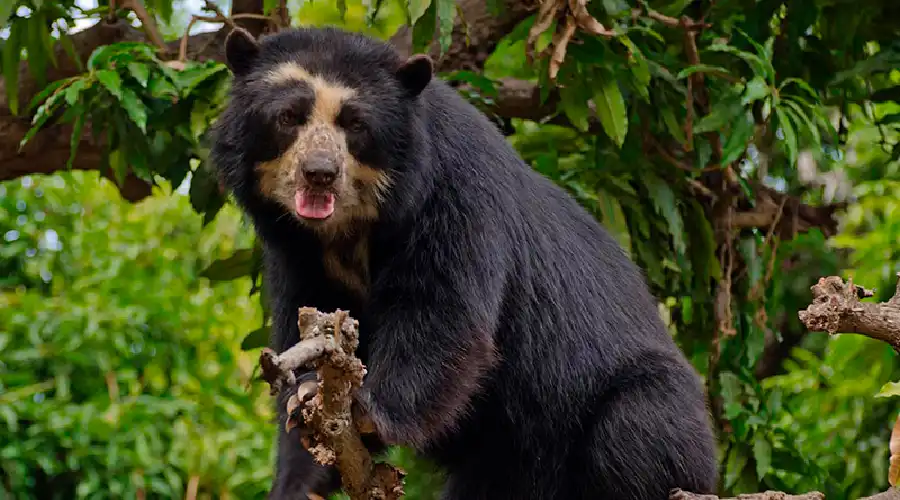
- Spectacled Bear (Tremarctos ornatus): The only bear in South America and one of the symbols
of Andean wildlife. It feeds on fruits, leaves, and bromeliads. Although sightings are rare,
knowing it inhabits these forests indicates a healthy ecosystem. - Andean Deer: Moves through open areas and slopes with high-Andean vegetation.
It is shy and usually flees from loud noises, making respectful behavior essential. - Andean Cock-of-the-Rock: Peru’s national bird, known for its intense red plumage and
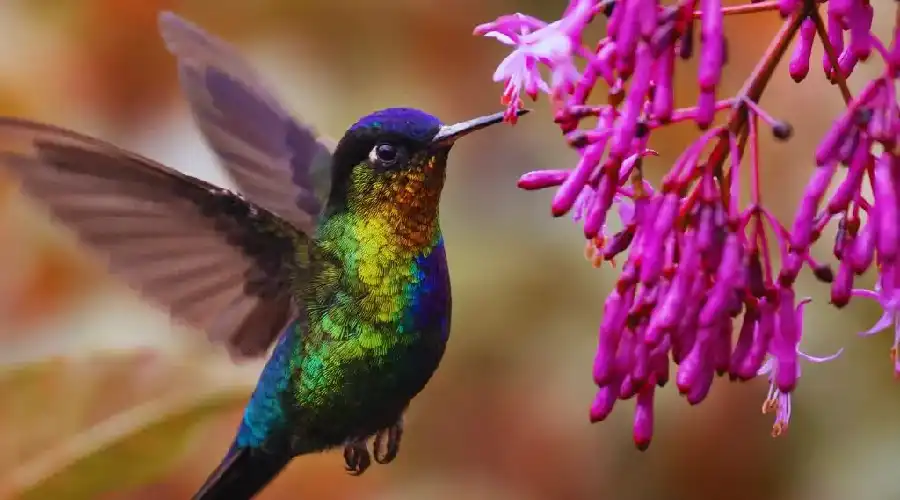
unique courtship dance. It inhabits humid forests and feeds on wild fruits. - Hummingbirds and Tanagers: Small, colorful birds responsible for pollinating
numerous flowers, including orchids and bromeliads. - Reptiles and Small Mammals: Snakes, lizards, foxes, and rodents contribute to the natural balance,
controlling insect populations and participating in nutrient cycles.
Many travelers combine the Choquequirao tour with other wildlife destinations,
such as the Sacred Valley or
the Machu Picchu tour, creating routes centered on nature and wildlife photography.
Endemic and Protected Species
Choquequirao is considered a refuge for several endemic and endangered species.
This gives it extraordinary biological value and reinforces the need for responsible tourism.
- Spectacled Bear: Listed as vulnerable by the IUCN, it is one of the priority species
for conservation in the Andes. Its presence indicates healthy forest cover and food availability. - Giant Hummingbird: A species adapted to high altitudes and closely associated with high-Andean flora.
Its survival depends directly on the conservation of montane forests. - Rare Orchids: Many orchids in Choquequirao have very limited distribution.
Some are still being studied, making habitat protection essential before irreversible impacts occur.
Choosing a Choquequirao tour with responsible operators helps ensure
good campsite practices, waste management, and awareness about fragile species.
Thus, your journey becomes an act of environmental support.
Ecological Importance
The natural environment of Choquequirao fulfills key ecological functions for the region and the planet.
It is not only a tourist destination but a living system that maintains essential processes such as
climate regulation, watershed protection, and connectivity between Andean and Amazonian ecosystems.
- Climate and Water Regulation: Montane forests capture and store carbon,
helping mitigate climate change. They also retain moisture and feed springs and streams. - Pollination and Seed Dispersal: Birds, insects, and mammals act as pollinators and dispersers,
ensuring the reproduction of native flora. - Biological Connectivity: Choquequirao is part of a natural corridor linking the Andes
to the Amazon, allowing migratory species to find shelter and food.
When travelers choose to book a tour that respects load limits and minimizes impact,
they directly help preserve these ecological processes.
Wildlife Watching Tips
Wildlife watching in the flora and fauna of Choquequirao must be done with respect and patience.
Beyond getting the perfect photo, the goal is to connect with nature without altering its behavior.
- Walk in silence: Avoid shouting or making sudden noises; animals feel safer in quiet environments.
- Use binoculars: They allow you to observe birds and mammals from a distance without disturbing them.
- Avoid flash photography: Bright light can stress wildlife, especially nocturnal species.
- Do not feed wildlife: Changing their diet alters their habits and can make them sick.
- Travel with specialized guides: They know the best times, routes, and observation points, and share valuable information about each species.
Many agencies offer Choquequirao tours with professional guides, improving trek safety
and understanding of the environment. You can also combine this experience with circuits such as the
Salkantay Trek or the Inca Trail, creating a nature-focused journey in the Cusco region.
Conservation Challenges
Despite its pristine appearance, Choquequirao faces several environmental challenges.
Increasing visitation, climate change, and human activities in surrounding areas gradually affect the ecosystems
that sustain the flora and fauna of Choquequirao.
- Tourism pressure: Unplanned tourism growth can cause erosion, waste accumulation,
and wildlife disturbance. It is important to follow guide instructions and stay on designated trails. - Illegal hunting and deforestation: Although there is greater monitoring along the trek,
illegal activities still occur in remote areas of the Apurímac Canyon, affecting vulnerable species. - Climate change: Altered rainfall and temperature patterns affect flowering,
bird migration, and water availability for wildlife.
In response to these challenges, institutions and responsible tour operators promote
environmental education, species monitoring, and low-impact tourism.
By choosing responsible tours and avoiding harmful practices, every traveler becomes an ally of conservation.
Conclusion
The flora and fauna of Choquequirao are an inseparable part of this destination’s magic.
It is not just about reaching an Inca citadel, but walking through living forests, hearing bird songs,
observing wild orchids, and sensing the balance of an ecosystem that remains relatively untouched.
Choosing a Choquequirao tour means opting for a different, more authentic and meaningful journey.
And if you want to extend your experience, you can book other tours such as the City Tour Cusco,
the Sacred Valley tour, the Rainbow Mountain, or the Machu Picchu full-day tour,
creating a complete itinerary that combines culture, nature, and adventure.
Book Your Next Adventure in the Andes
Explore Choquequirao, Machu Picchu, and the most stunning landscapes of Cusco with packages designed
for travelers seeking trekking, culture, and nature. Discover our offers, check the
tour price, and secure your spot with just a few clicks.
Every step in Choquequirao is an invitation to value and protect Andean biodiversity.
Traveling with respect and awareness turns your experience into a real contribution to conserving this natural treasure.