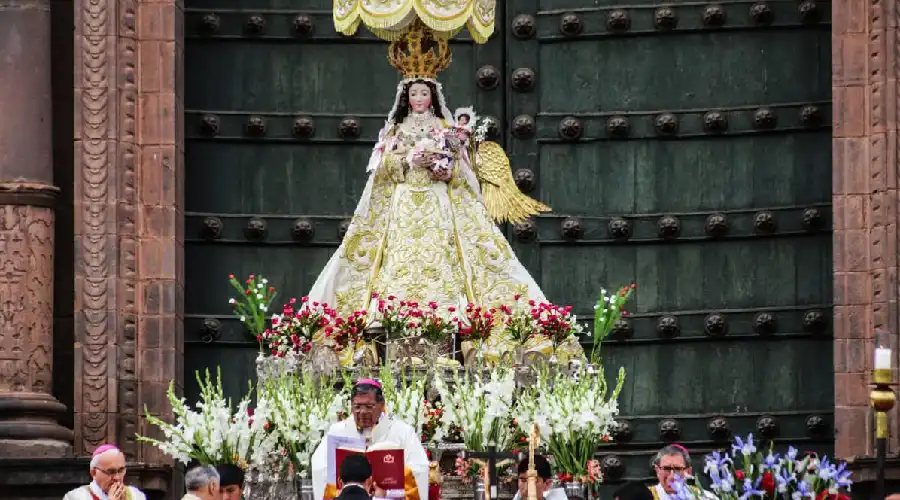



January in Cusco: Spiritual Renewal and Popular Joy
The January Festivals in Cusco represent the beginning of a new chapter filled with devotion, customs, and renewed hopes. The Andean festive calendar opens this month with a variety of cultural events deeply rooted in popular heritage. From day one, locals in Cusco immerse themselves in celebration, reflection, and gratitude to their sacred beings.
Across neighborhoods and provinces, January means music, dancing, religious services, street fairs, and family reunions. Catholic holidays like Three Kings’ Day or Saint Sebastian intertwine with ancient traditions honoring the land, water, and farming cycles. For travelers, it’s an ideal time to witness Cusco’s most heartfelt and communal side.
New Year
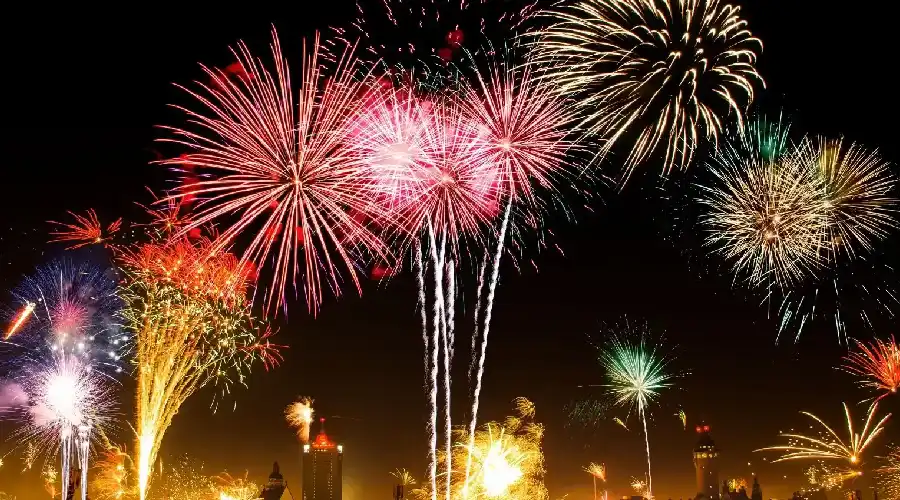
On January 1st, New Year’s Day is celebrated, a symbolic occasion of renewal and hope. In Cusco, the arrival of the year is marked with special rituals: from spiritual cleansings at Sacsayhuamán to temple visits to pray for prosperity. Locals often wear white or yellow, and many perform offerings to Mother Earth to ensure a prosperous year ahead.
Celebrations feature family dinners, fireworks, community dances in plazas, and public shows hosted by local municipalities. For visitors, welcoming the New Year in Cusco is a festive, warm, and spiritual encounter.
Three Kings’ Day
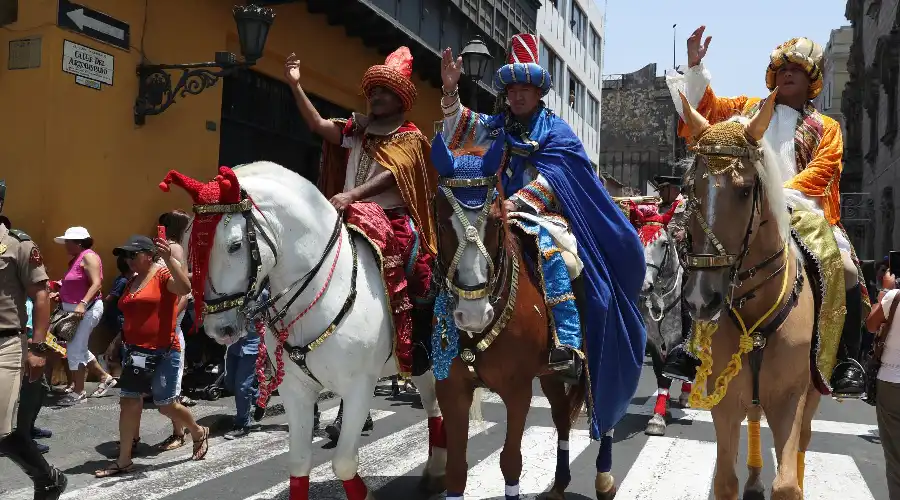
On January 6th, Three Kings’ Day honors the biblical visit of the Magi to the Christ Child. In Cusco’s historic districts, communities gather for Masses, processions, and theatrical performances. Families dismantle nativity scenes and enjoy hot chocolate, sweet bread, and fun games with children.
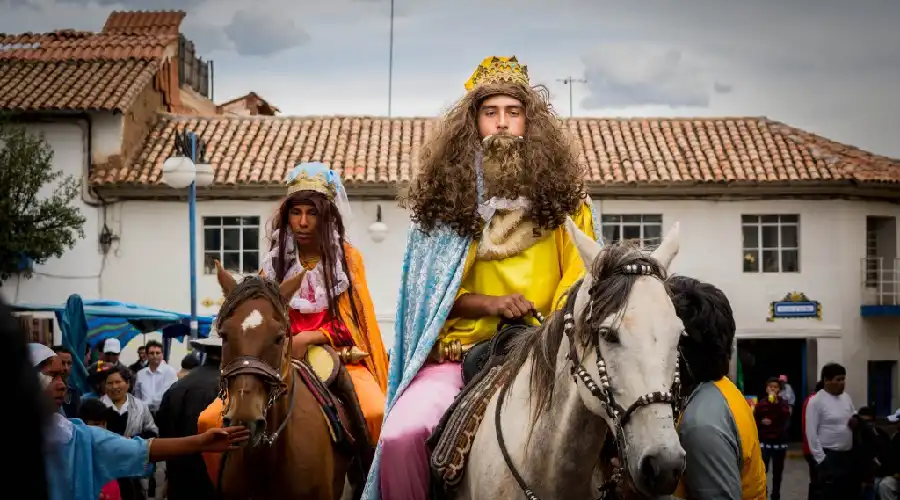
The celebration fosters community spirit. Many churches hold special blessings for children and homes. In rural areas, the arrival of Melchior, Gaspar, and Balthazar is reenacted with Andean musicians and joyful dancers filling the streets.
Octave of Kings (Huaro)
On January 12th, the Octave of Kings is held in Huaro, Quispicanchi province. This festivity extends the joy of Three Kings’ Day with religious services, parades, fireworks, and traditional dances. Highlights include cultural groups such as the Qhapaq Qolla, Mestiza Collacha, and Negrillos accompanying the main procession.
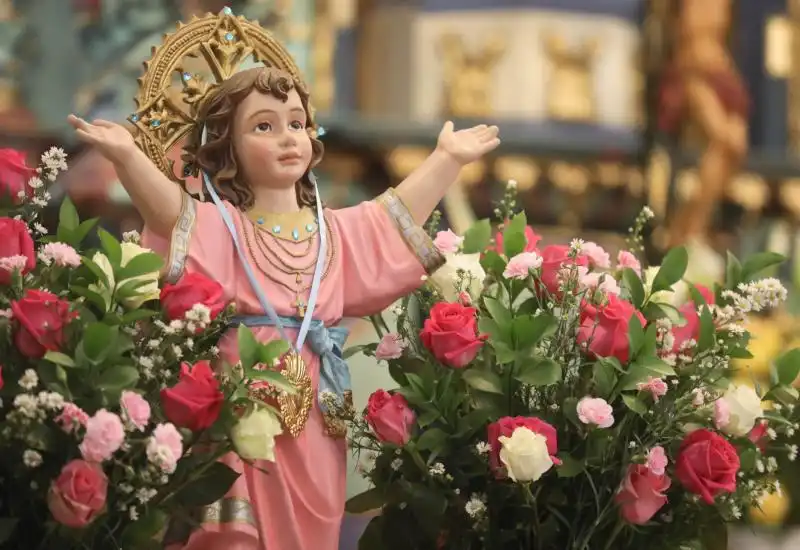
The image of Baby Jesus is carried through town while devotees throw flower petals and musicians perform festive tunes. It’s a colorful and emotional event that strengthens community and family ties at the year’s start.
Child Jesus Festival (Oropesa)
On January 18th, Oropesa – the town known for its bread – celebrates the Child Jesus Festival. This religious event centers on the worship of the Child Savior of the World, venerated with deep faith. Activities include Masses, processions, cultural performances, and traditional dances across the town.
Visitors can sample the renowned breads of Oropesa and enjoy local delicacies offered during the celebration. The mood is festive, spiritual, and family-oriented, making this one of the most heartwarming events of the month.
Saint Sebastian
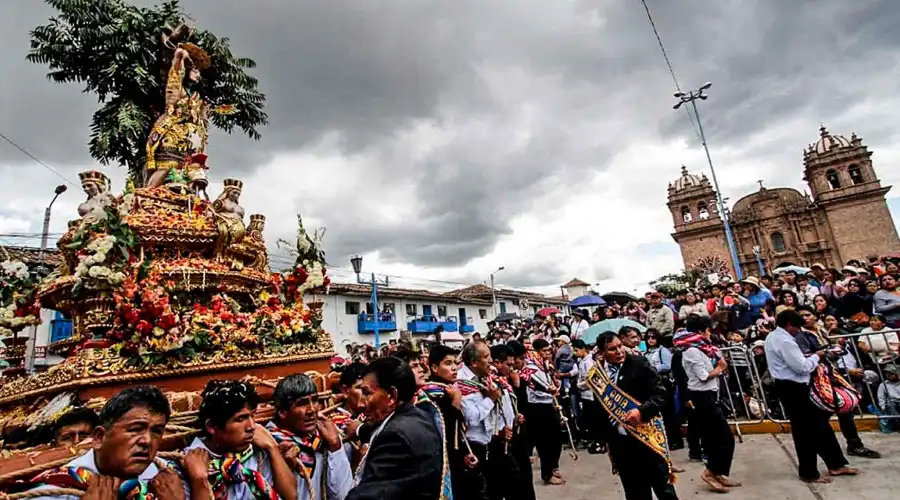
On January 20th, Saint Sebastian is honored as the patron of the Cusco district bearing his name. It’s one of the most anticipated January celebrations due to its cultural and spiritual richness. Festivities span several days, featuring novenas, Masses, processions, food fairs, and folk dance contests.
Saint Sebastian is regarded as a guardian of health and animals, so special blessings are given to pets and livestock. Dance troupes like the Qhapaq Negro, Saqras, and Maqtas add vibrancy, satire, and heritage that captivate both residents and visitors.
Negrillos Festival
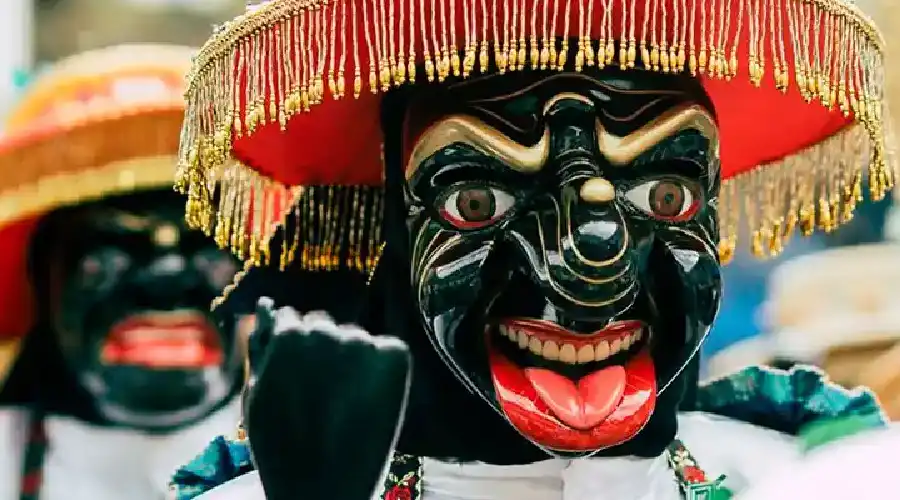
On January 23rd, some communities in southern Cusco celebrate the Negrillos Festival, an Afro-Andean dance that embraces cultural diversity. Although it has faded in some areas, towns like Andahuaylillas still showcase this performance with bright costumes, masks, and lively music.
The Negrillos dance originates from the era of slavery during Spanish colonization. Today, it stands as a symbol of cultural resilience and inclusion within the Andean festival landscape. Though less known, it holds great ethnographic value.
Virgin of Bethlehem (Anta)
On January 30th, the Virgin of Bethlehem is honored in Anta province, where rural devotion runs deep. This celebration features processions, religious services, traditional dances, agricultural fairs, and artistic presentations. The Virgin’s image is paraded through the streets among flowers, firecrackers, and chants.
Local farming communities prepare meticulously for this occasion. Embroidered costumes, brass bands, and flowered altars fill the town with beauty and reverence. This event closes January’s festive calendar with gratitude and collective faith.