


June Festivals in Cusco: The Month of Andean Cultural Identity
The month of June in Cusco symbolizes tradition, spirituality, and cultural pride. The **June Festivals** transform the city into the epicenter of the most iconic celebrations of the Andean worldview and Inca heritage. Each event combines ancient rituals, religious fervor, and cultural expressions that strengthen the link between past and present, attracting thousands of visitors from across the globe.
Throughout the month, Cusco resonates with massive processions, sacred pilgrimages, offerings to Pachamama, and historical reenactments that keep alive the essence of one of the most remarkable civilizations in the Americas. From the emblematic Inti Raymi to Corpus Christi, every celebration showcases the unique blend between Catholic traditions and Andean spirituality, creating experiences that transcend generations.
Corpus Christi
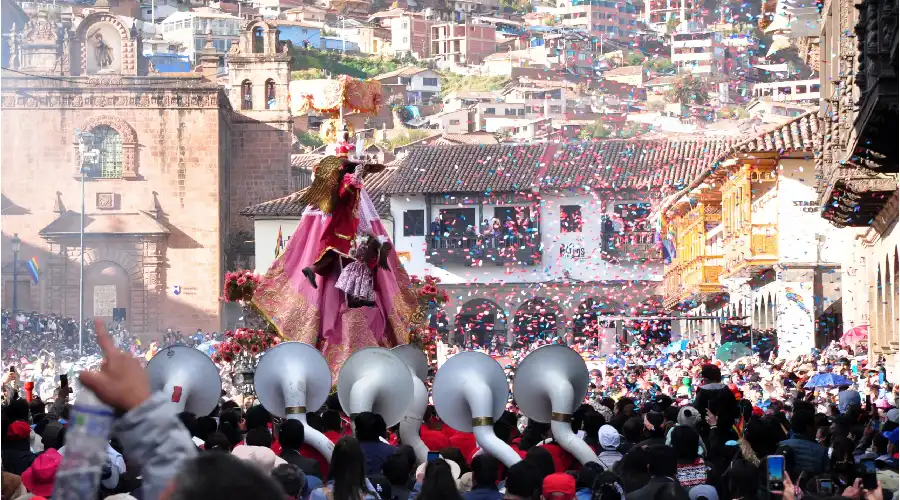
June 1 marks the beginning of one of Cusco’s most majestic religious celebrations: **Corpus Christi**. During this event, fifteen images of saints and virgins from different parishes are carried in solemn processions to the magnificent Cusco Cathedral. The Plaza de Armas becomes a sacred stage where thousands of devotees gather to honor a tradition that merges faith and ancient customs.
The streets are adorned with flower carpets, traditional dances, and ceremonial music. Rural communities join in, bringing agricultural offerings that highlight the profound connection between land, spirituality, and daily life. Simultaneously, the traditional dish *chiriuchu* is prepared, blending Andean and coastal ingredients as a symbol of Peru’s cultural diversity.
Feast of Saint Anthony
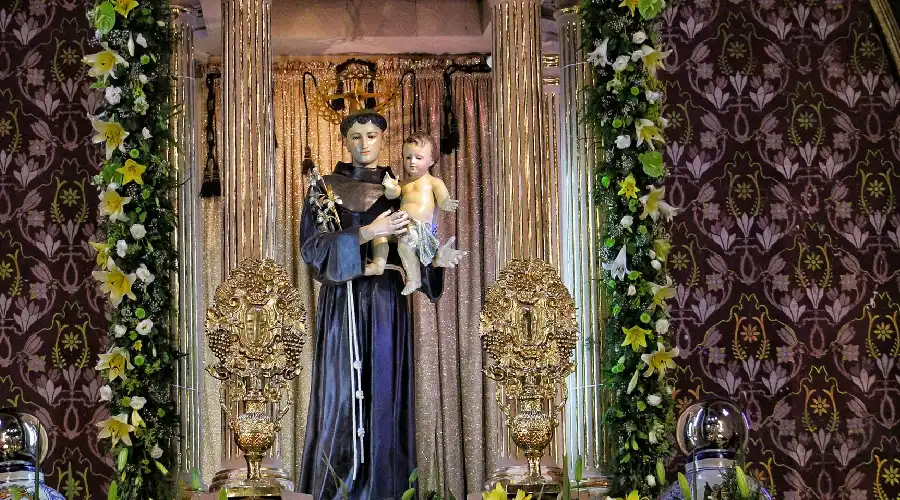
On June 5, the **Feast of Saint Anthony** is celebrated, honoring the patron of several rural communities in Cusco. This day combines solemn masses, local processions, and communal fairs that emphasize the importance of agriculture and community life in the Andean region. Villagers offer harvests, farming tools, and traditional dances as acts of gratitude to the land and the spiritual protection of Saint Anthony.
Cuisine plays a central role in this festival, with traditional dishes such as *huatia* and *chiri uchu* symbolizing abundance and reciprocity. Rural fairs reinforce social and economic ties among communities, keeping the ancestral exchange system alive.
Qoyllurit’i
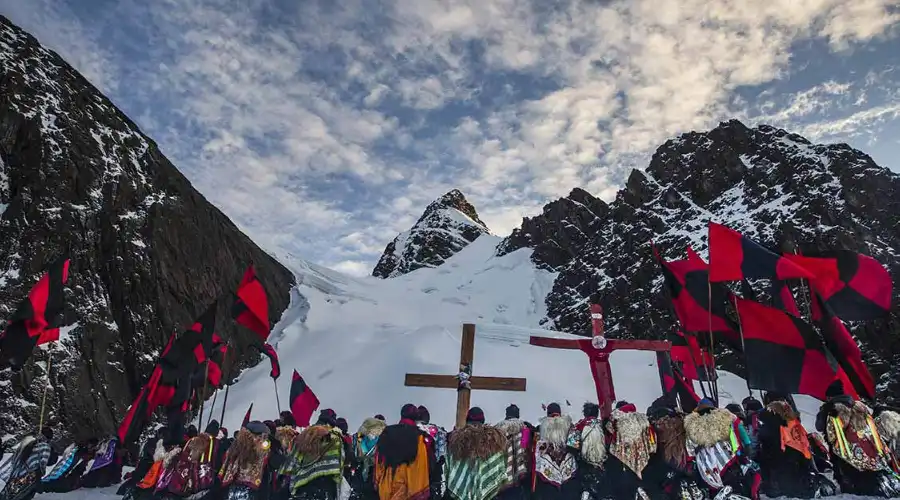
On June 15, pilgrims take part in the sacred journey to the **Lord of Qoyllurit’i**, one of the Andes’ most significant expressions of faith. Thousands ascend to the sanctuary at the foot of Mount Sinakara, at over 4,800 meters above sea level, to participate in rituals that merge Catholic devotion with Andean spirituality.
During the festival, ancestral dances, open-air masses, and offerings to the earth are performed. Groups of dancers in vibrant costumes bring the path to life. This mystical and cultural experience is recognized as Intangible Cultural Heritage of Humanity for its deep connection to nature and the identity of Andean peoples.
Lord of Huanca (minor pilgrimage)
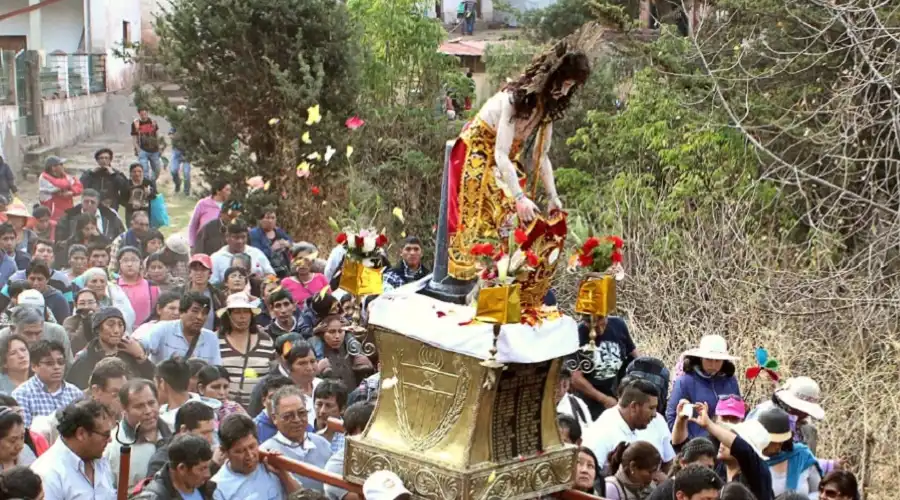
On June 20, a smaller pilgrimage takes place to the **Lord of Huanca** sanctuary in San Salvador district. Though less crowded than the main celebration in September, it carries the same spirit of faith and devotion as pilgrims seek spiritual and physical healing. Offerings of candles, flowers, and prayers create an atmosphere of hope and reflection.
Andean Winter Solstice
On June 21, the **Winter Solstice** marks a pivotal moment in the Andean worldview. On this day, communities and ceremonial centers perform offerings to Pachamama and the Sun, giving thanks for life and asking for abundance for the upcoming agricultural cycle. In Cusco and sacred sites like Sacsayhuamán and Tipón, ancestral rituals are held to symbolize the eternal connection between humanity and nature.

Feast of Saint John
June 23 brings the **Feast of Saint John**, deeply rooted in the Peruvian Amazon yet also celebrated in various Andean communities. In Cusco, families perform water rituals, spiritual cleansings, and communal gatherings. Saint John’s Eve is seen as a moment of energetic renewal and connection with the natural elements, especially water as a symbol of life and purification.

Inti Raymi
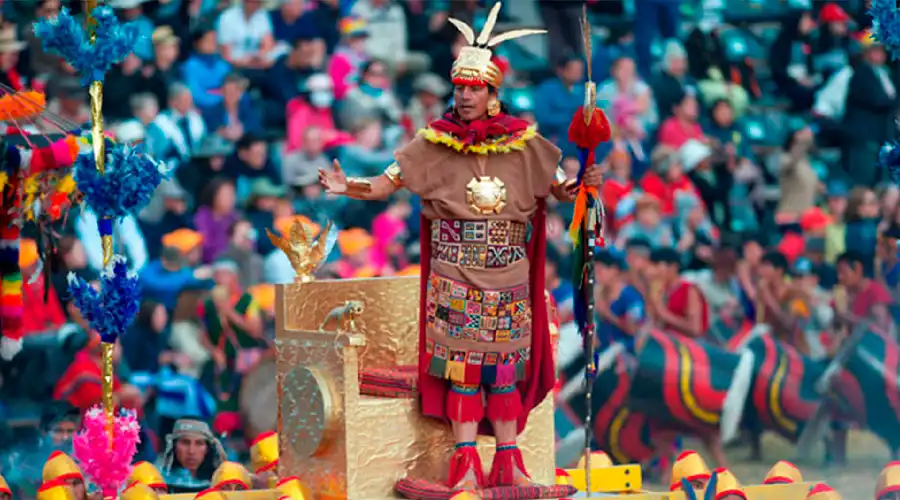
June 24 stands as the highlight of the **June Festivals**: **Inti Raymi**, the Festival of the Sun. This historical reenactment revives the Inca ceremony dedicated to the god Inti, celebrating the arrival of the Andean New Year and the renewal of the agricultural cycle. Thousands of actors, musicians, and dancers take part in this breathtaking performance staged at three main locations: Qorikancha, Plaza de Armas, and the Sacsayhuamán esplanade.
The ceremony begins at sunrise with offerings to the Sun, continues with the Inca’s greeting in the Plaza de Armas, and culminates with the main ritual at Sacsayhuamán, where symbolic offerings of chicha and agricultural products are presented. Inti Raymi is not only a cultural spectacle but a powerful reaffirmation of Andean identity and Inca heritage.