






Set in the former Colonial House of Inca Garcilaso de la Vega, considered the first mestizo chronicler of the Americas, this place is not only a museum but also a monument dedicated to memory and history.
In this complete guide you will discover the history of the museum, the importance of its collections, its architectural value, and practical tips to help you make the most of your visit to this cultural landmark.
History of the Inca Garcilaso de la Vega Museum
The Inca Garcilaso de la Vega Museum is located in what used to be the residence of the famous chronicler Inca Garcilaso de la Vega, who was born in Cusco in 1539. Son of a Spanish captain and an Inca princess, Garcilaso became a symbolic bridge between two worlds: the Andean and the European.
The house was built in the 16th century on top of Inca foundations, and over the years it acquired great architectural and historical importance. In 1970, the property was acquired and restored by the Peruvian State, officially becoming a museum under the administration of the Decentralized Directorate of Culture of Cusco.
Since then, this space has consolidated itself as one of the most important cultural centers of the region, not only for its historical collections but also for the powerful symbolism of having belonged to the most important mestizo chronicler of the continent.
Cultural and Heritage Importance
The Inca Garcilaso de la Vega Museum is a fundamental space to understand Peruvian identity. It represents the union of two cultures: the Inca tradition and the Spanish legacy.
Its importance rests on three main aspects:
- Historical heritage: It houses collections ranging from the pre-Inca period to the viceroyalty, showing the cultural evolution of Cusco throughout centuries of transformation.
- Cultural identity: Being located in the house of the chronicler himself, the museum pays tribute to the memory of the man who documented in great detail the Andean worldview and its fusion with Hispanic heritage.
- Center of dissemination: Its exhibitions and educational activities foster the appreciation of history, art, and the Andean cosmovision for diverse audiences.
Visiting this museum is not just a cultural experience, but also an act of connecting with the roots of the Peruvian nation.
Collections and Exhibitions of the Museum
The museum holds a vast and varied collection that covers different periods of Peru’s history:
- Inca archaeology: Ceramic vessels, textiles, weapons, tools, and ritual objects that reveal the technological, artistic, and spiritual development of the Inca civilization.
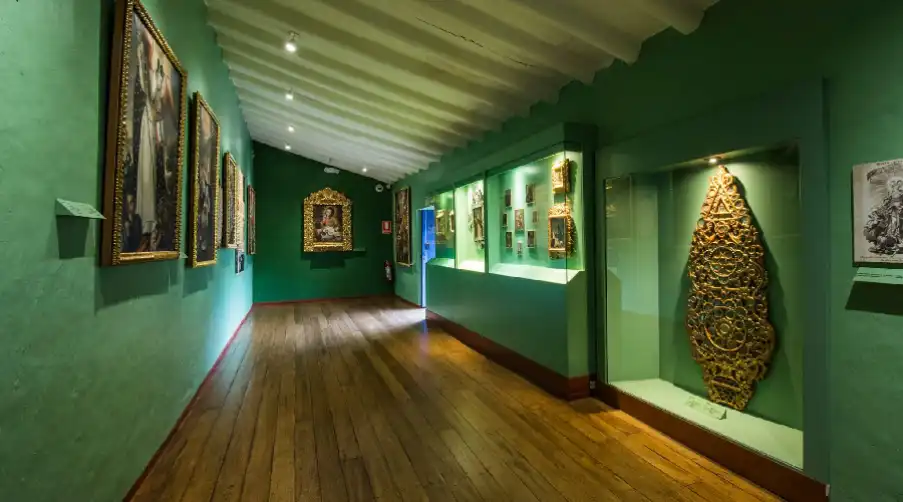
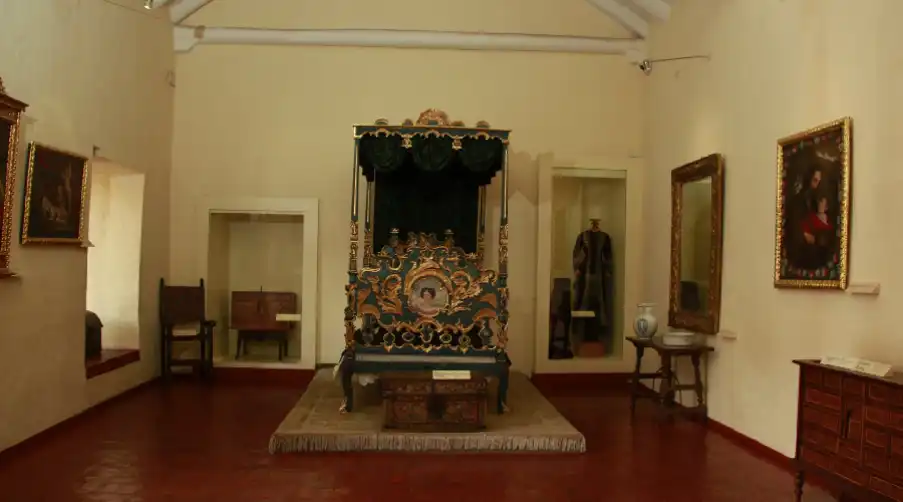
- Colonial art: Paintings of the Cusco School, religious sculptures, altarpieces, and viceregal furniture that illustrate the fusion of European styles with Andean techniques.
- Historical documents: Manuscripts, chronicles, and objects related to Inca Garcilaso, who authored fundamental works such as “Royal Commentaries of the Incas.”
- Temporary exhibitions: The museum organizes thematic exhibitions on contemporary art, living culture, and archaeological research projects.
Each gallery of the museum is a window into the past, designed so visitors can live an educational and emotional journey.
Architecture and Design of the Museum
The headquarters of the Inca Garcilaso de la Vega Museum is itself a true work of art. The building combines Inca and colonial elements:
- Inca foundations: The finely carved stone walls in the lower sections demonstrate the architectural perfection inherited from Inca Cusco.
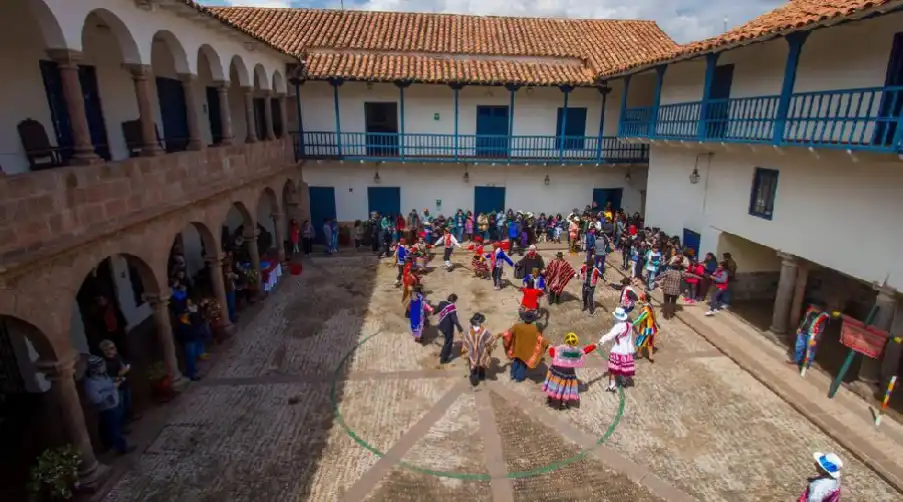
- Colonial construction: On the upper levels, you can see wooden balconies, spacious courtyards, and tiled roofs, characteristic of viceregal mansions.
- Heritage restoration: The Peruvian State has carried out exemplary conservation work to preserve the authenticity of the property while maintaining its functionality as a museum.
Its architectural design not only frames history but also provides a unique environment for cultural contemplation and photography.
Visitor Experience at the Inca Garcilaso Museum
Visiting the Inca Garcilaso de la Vega Museum is an enriching experience that combines learning, art, and history.
The aspects most highlighted by visitors are:
- Educational tour: Each hall is organized chronologically, allowing an understanding of Peru’s cultural evolution through time.
- Inspiring atmosphere: The peaceful environment of the museum invites reflection and careful appreciation of the artifacts.
- Cultural activities: Talks, workshops, and thematic events enrich the visit for those who want to dive deeper into Andean history.
- Cultural photography: Although photography may be restricted in some galleries, the architecture and interior courtyards provide ideal scenarios for memorable shots.
This is a place that invites both tourists and researchers to immerse themselves in the cultural roots of Cusco.
Tips for Visiting the Inca Garcilaso Museum
To make the most of your visit, consider these recommendations:
- Schedule: The museum usually opens from Tuesday to Sunday, from 8:00 am to 5:00 pm. Always check updated schedules before your visit.
- Tickets: Entrance may be included in the Cusco Tourist Ticket. Verify current rates according to your status (national, foreign visitor, student).
- Guided visit: To enrich the experience, it is recommended to hire a specialized guide who explains the value of each gallery.
- Duration: Set aside between 1 and 2 hours to calmly tour the museum and appreciate each detail.
- Cultural respect: Do not touch the pieces and avoid taking photos in restricted areas. Remember this is a heritage conservation space.
Thanks to its central location, the museum visit can be combined with a tour of other Cusco attractions such as the Plaza de Armas, the Cathedral, and the Pre-Columbian Art Museum.
Conclusion
The Inca Garcilaso de la Vega Museum is not only a place to observe archaeological artifacts but also a living bridge to Peru’s history and identity. Its importance lies in the memory of the mestizo chronicler, the conservation of invaluable objects, and the transmission of the cultural legacy of both the Incas and the viceroyalty.
Visiting this museum is an opportunity to reflect on the cultural fusion that gave birth to the Peruvian nation and to recognize in its galleries the spirit of a people who keep their history alive.
More than just a museum, it is a place where memory becomes present, and where every visitor takes away a piece of Cusco’s and Peru’s history.
[tours_carrusel]