






Machu Picchu: the essential, traveler-first guide
Machu Picchu is more than an iconic photo; it’s the meeting point between Andean nature and living history. Hidden among ridgelines and cloud forest, this Inca citadel balances terraces, temples, water channels, and viewpoints that seem designed for contemplation. If you’re searching for a clear, no-stress plan, this page explains everything in plain language: Machu Picchu Peru basics, Machu Picchu elevation and how to feel good at altitude, train and ticket steps, Machu Picchu tours you can actually complete without rushing, and realistic tips for the best light and crowd flow.
Promise: simple routes, realistic timing, and advice that respects both travelers and the site. Save this page offline and use it as your checklist at every step.
Where is Machu Picchu?
Many people ask, where is Machu Picchu? The sanctuary sits on a narrow ridge above the Urubamba River in southern Peru, between the Andes highlands and the Amazon’s cloud forest. The nearest gateway town is Aguas Calientes (also called Machu Picchu Town), reachable by train from the Sacred Valley or by foot via multi-day treks like the Inca Trail. Most travelers begin in Cusco, the historic Andean capital, then descend through the Sacred Valley before boarding a train to the base of the site.
Orientation tip: On your Cusco map (or Cuzco map), pin: Cusco Historic Center → Ollantaytambo station → Aguas Calientes → Machu Picchu entrance. Seeing the line on a Cusco Peru map clarifies distances and time.
What makes Machu Picchu Peru unique is the harmony between architecture and landscape. The Incas intuitively placed temples at cardinal points and along visual axes to sacred mountains (apus). Even without a deep background in Inca culture, you’ll feel a sense of order in the angles and the way terraces “flow” with the ridge.
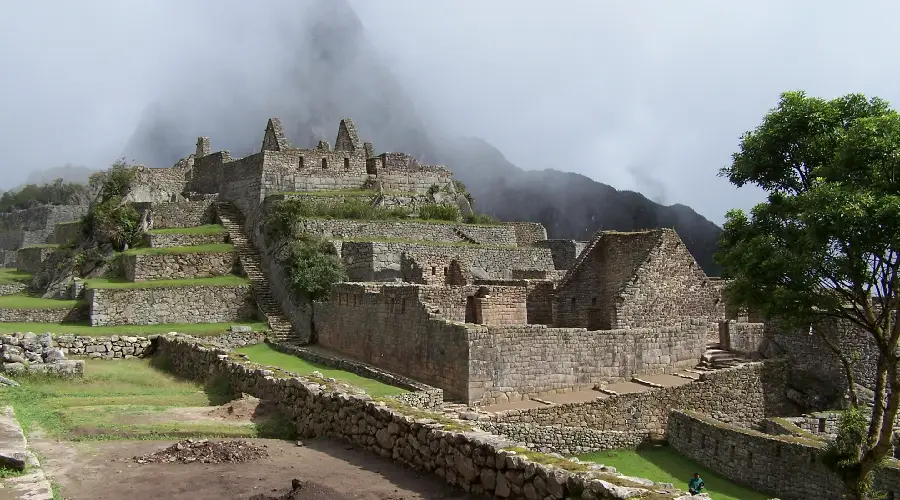
Machu Picchu elevation & acclimatization
Machu Picchu elevation is approximately 2,430 m (7,972 ft)—lower than Cusco (about 3,400 m / 11,150 ft). That’s why many travelers acclimatize in Cusco or the Sacred Valley for a day or two, then continue down to the sanctuary. You will still feel stairs and humidity, but most people breathe easier here than in Cusco City.
- First day in Cusco: walk slowly, hydrate, eat light, and rest. Consider coca tea (traditional) or ask your doctor at home about altitude medication if you tend to struggle.
- Sleep lower: a night in the Sacred Valley (Pisac, Urubamba, or Ollantaytambo) can help if you’re sensitive to altitude.
- At Machu Picchu: carry water, take breaks at terraces, and don’t race other visitors—photo moments come to those who pause.
How to get to Machu Picchu (train, permits, bus)
Think in three steps, in this order. It keeps your plan simple and avoids sold-out surprises:
- Entrance ticket (choose circuit/time): Your entry is tied to a circuit and a specific hour. Morning sells out first in peak months (May–September). Pick the day, the time window, and the circuit that matches your energy and photo goals.
- Train tickets: Most visitors travel by train from Ollantaytambo (in the Sacred Valley) to Aguas Calientes. When available, Poroy/San Pedro stations near Cusco shorten transfers, but frequencies are lower. Pick windows that give you buffer at the start of the circuit.
- Bus up to the citadel: From Aguas Calientes, shuttle buses climb a series of switchbacks to the entrance (about 25–30 minutes). Lines form early; bring your ticket, passport, and patience. Hiking up is possible but time-consuming and steep.
Documents: You must present your passport with all tickets. Keep digital copies of your vouchers and arrive 30–40 minutes before your time slot.
Entrance circuits explained (choose by energy & photos)
Modern conservation rules use one-way circuits to protect the site. Naming and availability may change, but the logic stays similar: you follow a marked route with staff guidance and limited backtracking. Here’s how to choose a circuit intelligently:
- Classic upper viewpoints: Routes that reach the famous postcard terraces first. Ideal for that wide panorama with Huayna Picchu behind the city.
- Lower platforms & urban sector: Shorter routes with closer looks at temples, water channels, and stonework details. Good if you prefer fewer climbs.
- Huayna Picchu / Huchuy Picchu / Machu Picchu Mountain add-ons: Separate timed entries with steep climbs and spectacular views. Limited spaces sell quickly.
Pro tip: If the circuit you want is sold out, consider a slightly later entry or swap the order of your itinerary—visit the Sacred Valley first, spend the night in Ollantaytambo, and enter Machu Picchu early next morning.
Machu Picchu tours: day trip or 2-day?
Both Machu Picchu tours can be fantastic if planned well. The big difference is pace.
Same-day tour (fast, focused)
Ideal if your time is tight and you enjoy efficient logistics. Start very early from Cusco or the Sacred Valley, take a mid-morning or midday entry, and return by evening. You’ll see the essentials, but photo light may be harsher and you’ll spend many hours in transit.
- Who it fits: short trips, business travelers, people who prefer to sleep in Cusco.
- Watch out for: tight connections if trains shift; always leave buffer time before your circuit window.
2-day tour (smarter for photos & energy)
Travel to the Sacred Valley in the morning, enjoy Pisac or Moray & Maras, then board a late-afternoon train to Aguas Calientes. Sleep there, catch an early bus, and enjoy softer light and calmer paths. Return to Cusco in the afternoon with less stress.
- Who it fits: photographers, families, and anyone who wants a calmer experience.
- Bonus: a second short visit (if you add a mountain hike) gives you an entirely different perspective.
Customization idea: Pair a light Sacred Valley loop (Ollantaytambo + Chinchero weavers) with the overnight. It balances culture, shopping, and rest before the big day.
Best time to visit
Dry months (May–Sep): blue skies, strong sun, bigger crowds. Shoulders (Apr & Oct): balanced weather and availability. Rainy season (Nov–Mar): greener scenery, cloud drama, and fewer people; showers often arrive in the afternoon. Regardless of month, mornings usually feel calmer and cooler, and late afternoons can turn golden with mist—magical for photos of Machu Picchu Peru.
What to pack (keep it light and smart)
- Layers: breathable base, light fleece, and a compact rain shell. Mountain weather shifts quickly.
- Sun protection: hat, sunglasses, and high-SPF sunscreen. UV at altitude is intense even under clouds.
- Comfort: trail shoes with grip, refillable bottle, and snacks that tolerate heat.
- Documents & cash: passport, tickets, cards, and small soles for bus or quick purchases.
- Optional: trekking poles with rubber tips (only on certain trails), microfiber towel, and a small dry bag if rain is forecast.
Rules, etiquette & photography
Machu Picchu is a protected site with strict rules designed to keep paths safe and terraces intact. Your cooperation helps future visitors enjoy the same beauty.
- Follow staff directions and one-way circuits; don’t jump walls or step on terraces.
- Drones are not allowed. Tripods are often restricted—ask your guide before carrying one.
- Carry all trash out. Snacks are fine; picnics inside the core areas are not.
Photography notes
- Best light: early morning and late afternoon when mist and angled light reveal textures in the stone.
- Classic panorama: upper terraces facing Huayna Picchu. If the viewpoint is busy, step back and frame a lower terrace with leading lines.
- Detail shots: water channels, doorways, and granite joins. These tell the Inca story beyond the postcard.
FAQ
Why did the Incas build Machu Picchu here?
Scholars debate roles—royal estate, ritual center, administrative hub—but location was key: a defensible ridge with abundant springs and sightlines to sacred peaks. Its design mirrors Inca ideas about harmony with landscape.
Is one visit enough?
Yes for a general overview. If you love photography or archaeology, consider a second timed entry or add a mountain hike; morning and afternoon feel like two different sanctuaries.
Can I visit without a guide?
Rules evolve; guided entries are often recommended and frequently required for specific circuits. Even when not required, a good guide adds layers of meaning you’d likely miss alone.
Is it very hot?
Temperatures are moderate, but humidity and stairs make it feel warmer. Dress in layers and drink water often.
What about safety or local conditions?
Conditions change during the year. Check official announcements and your operator’s latest brief before travel. Build buffer time into train connections in case of schedule changes.
Plan it the calm way. We organize Machu Picchu tours—day or 2-day—with the right circuit, smart train times, and hotel pickups. Tell us your dates, pace, and interests; we’ll map everything so you enjoy more and rush less.