






Top 10 Traditional Dishes of Cusco You Must Try
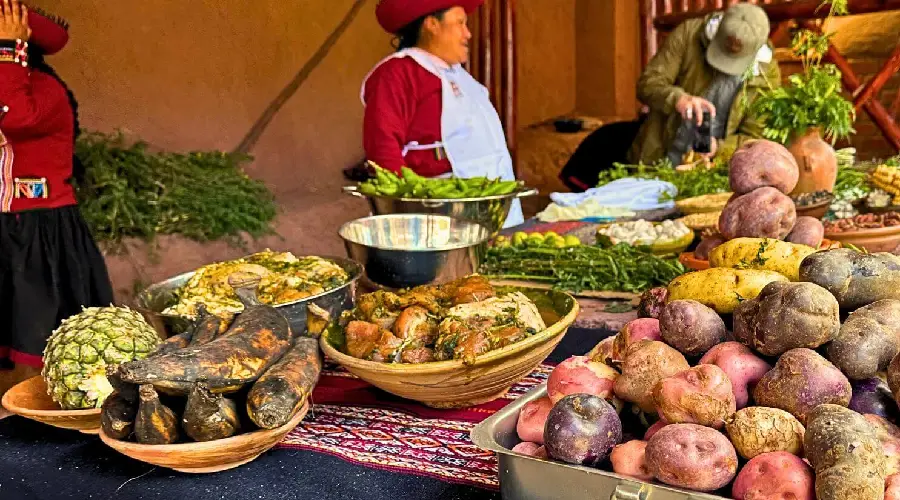
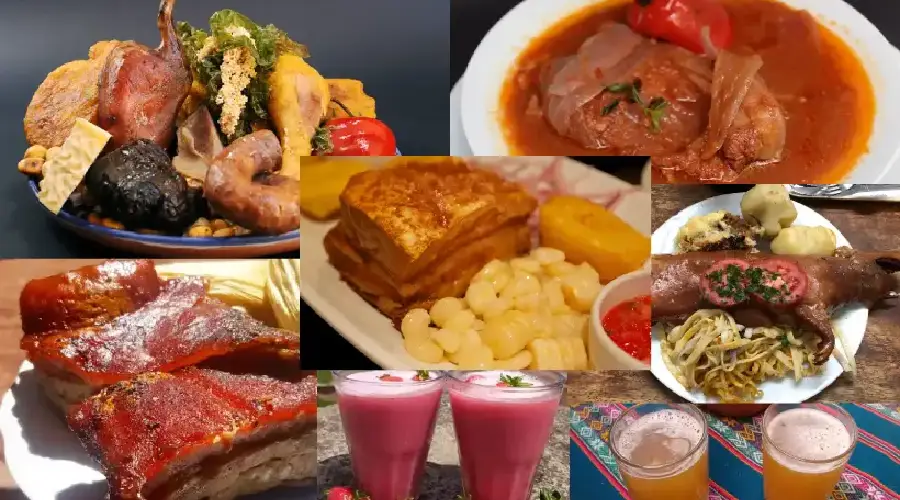
The Cusqueñan cuisine is among the richest and most diverse in Peru. Rooted in Inca traditions and enriched by colonial and contemporary influences, it offers a vibrant culinary expression of the region’s history, culture, and geography. If you’re planning a trip to the navel of the world, tasting the typical food of Cusco is a must. Below are 10 iconic dishes that will take you on a flavorful journey of heritage and tradition.
1. Cuy Chactado
Undoubtedly the most iconic dish of Cusco. Guinea pig, once revered by the Incas, is deep-fried whole until crispy on the outside and tender inside. It’s served with potatoes, corn, and chili. While it may seem exotic, it’s a delicacy filled with historical and cultural meaning. In many rural communities, guinea pigs are still raised traditionally, fed with alfalfa and corn. Eating it also supports the local economy.
2. Chiriuchu
Chiriuchu is a ceremonial dish typical of the Corpus Christi festival. Served cold, it features ingredients from Peru’s coast, highlands, and jungle: guinea pig, chicken, sausage, jerky, cheese, corn tortilla, roasted corn, fried fish roe, and more. It’s a true cultural fusion on a plate. Tasting chiriuchu is embracing Peru’s diversity, as each component represents a different region of the country.
3. Stuffed Rocoto
Although it originates from Arequipa, this dish is also well-loved in Cusco. It’s a spicy pepper filled with ground meat, vegetables, and cheese, baked until golden. Usually served with potato cake or rice. Perfect for spicy food enthusiasts. Some Cusco restaurants offer milder versions for visitors while preserving its original flavor.
4. Cusqueñan Chicharrón
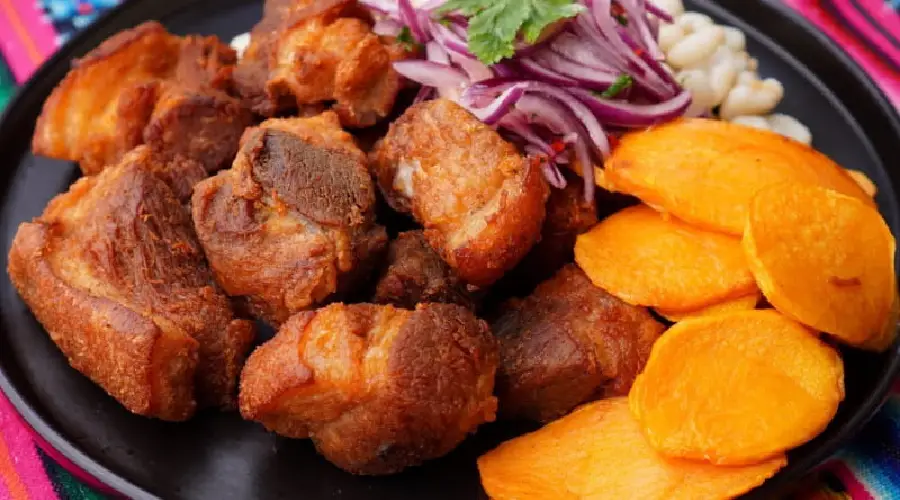
Cusco-style chicharrón is made by slowly frying pork in its own fat, served with hominy corn, potatoes, and onion salad. A popular breakfast at fairs and religious festivals, especially in Saylla, known for its specialized eateries. Its crunchy texture and rich flavor make it a local favorite.
5. Quinoa Soup
Nutritious and hearty, perfect for adjusting to high altitude. Quinoa, the quintessential Andean grain, is cooked with vegetables, potatoes, egg, and meat into a thick soup that energizes and comforts. Ideal for cold days in Cusco when a warm meal is needed.
6. Baked Pork (Lechón)
A festive dish much enjoyed in Cusco. The pork is marinated with Andean herbs and slow-roasted until juicy with crispy golden skin. Served with tamales, potatoes, and criolla salad. It’s commonly featured in weddings, religious festivals, and local food fairs.
7. Mushroom Kapchi
A traditional vegetarian delight, popular during the rainy season. Made with Andean mushrooms, fava beans, potatoes, cheese, and milk. Its mild, creamy taste makes it a comforting soup worth trying. This dish also highlights the region’s wealth of natural ingredients.
8. Olluquito with Jerky
Olluco is an Andean tuber that, when cooked with dried meat (jerky), becomes a tasty and slightly gelatinous stew. Typically served with white rice, it showcases the enduring use of native ingredients. Jerky, sun-dried and salted, has been preserved this way since pre-Inca times.
9. Hen Broth
A popular breakfast after a night out, this thick and nourishing broth includes hen, potato, egg, noodles, and aromatic herbs. It’s great for altitude sickness and recharging the body. Many locals recommend it to strengthen the immune system thanks to its high nutritional value.
10. Humitas
Prepared with ground corn and steamed in husks, they come in sweet or savory versions. The sweet ones include raisins and sugar; the savory ones, cheese. These traditional snacks are perfect for enjoying with an afternoon coffee. Humitas are commonly sold in markets and fairs, offering an affordable and tasty treat.
Bonus: Typical Drinks to Pair With
No culinary journey through Cusco is complete without its drinks. Coca tea is essential for altitude adjustment, while chicha de jora is a traditional fermented corn drink still served in old-style taverns. For something sweet, fava bean punch is a warm beverage made with milk, sugar, and spices — perfect for cold Cusco mornings.
Tips for Enjoying Cusqueñan Food
- Allow your body to adjust to the altitude before eating heavy meals.
- Don’t miss local markets like San Pedro where you can sample dishes at great prices.
- If you’re sensitive to spice, always ask first—many dishes include chili.
- Look for vegetarian options—more and more restaurants are offering them.
- Try food in different settings: markets, traditional eateries, and modern restaurants for a full experience.
Where to Taste Cusco’s Traditional Food?
To enjoy these dishes, we recommend:
- San Pedro Market: authentic, affordable, and varied.
- Traditional eateries: like La Cusqueñita or Casa Grande.
- Gourmet restaurants: like Chicha by Gastón Acurio or Pachapapa, offering modern twists on classic dishes.
- Food festivals: during events like Inti Raymi or Holy Week — ideal for sampling regional recipes.
Conclusion
The typical food of Cusco is not only delicious but also a gateway to the Andes’ rich history and culture. Each dish tells a story of endurance, adaptation, and identity. When in Cusco, don’t just admire — sit down, taste, share, and discover why Cusqueñan cuisine is one of the most captivating in South America. Dare to go beyond the usual, explore with your taste buds, and carry the flavor of the Andes in your heart.