






Choquequirao: Best Season to Choose Your Ideal Route
Choquequirao, often called the spiritual sister of Machu Picchu, is one of the most extraordinary
destinations in Peru, perfect for adventurous travelers seeking an authentic experience far from the crowds.
But the big question is: what is the best season to visit Choquequirao and choose your ideal route?
In this complete guide you will discover how the weather changes throughout the year, how each season affects the
main access routes, and what you should consider before deciding when to travel. Every season offers unique advantages
and challenges that can significantly influence your trekking experience, your safety, your photos, and even your budget.
Whether you want clear skies for trekking, lush green landscapes for photography, or total solitude on the trail,
understanding the best time to visit Choquequirao will help you plan a smarter, safer, and
more enjoyable trip. If you prefer a fully organized experience, you can also book a Choquequirao trekking tour
with a trusted agency that adapts the itinerary to the season and your level.

Dry Season: The Most Popular Choice
The dry season in the Cusco region runs from May to October. During these months
the weather is generally more stable, with blue skies, cooler temperatures, and very low chances of rain.
For most travelers, this is the best season to visit Choquequirao and the ideal time to plan a safe,
comfortable trek.
- Advantages: More secure trails, better trail conditions, clear panoramic views, spectacular sunrises and sunsets,
and greater availability of services such as transport, guides, and organized tours. - Disadvantages: More hikers on the route (although Choquequirao is still much less crowded than Machu Picchu),
and colder temperatures at night, especially in higher camps like Marampata.
The sunlight during the dry season highlights the beauty of Inca terraces, plazas, and agricultural platforms, while the
visibility across the Apurímac canyon is simply breathtaking. If your priority is safety, clear views, or you want to
book a guided Choquequirao tour with fixed dates and reliable logistics, this is the season that will suit you best.
Rainy Season: Advantages and Challenges
The rainy season extends from December to March. While it represents a greater challenge
for trekkers due to rain, mud, and unstable terrain, it also offers a very special atmosphere and unique rewards for those who
enjoy wild, lush landscapes.
- Intense green landscapes: Vegetation reaches its maximum splendor, waterfalls and streams are more active,
and the entire environment feels more vibrant and mystical. - Fewer tourists: If you dream of walking almost alone, with very few people on the trail and in the campsite,
the rainy season gives you that opportunity.
However, the trails can become dangerously slippery, especially on steep descents or near the Apurímac River. Heavy rain can
increase the risk of landslides, road closures, or changes to the route at the last moment. For that reason, this season
is recommended mainly for experienced trekkers or those traveling with an expert guide and a well-prepared logistics team.
If you decide to travel between December and March, it is highly advisable to reserve a Choquequirao trekking package
that includes professional guides, updated weather information, and alternative plans in case of route changes.
How Each Season Affects the Routes
The conditions of each route to Choquequirao change considerably between the dry season and the rainy season. Knowing these
differences will help you choose the itinerary that best matches your expectations and your trekking experience.
Classic Route from Cachora
- Dry season: Ideal. The trail is usually in good condition, especially in the sections around Capuliyoc
and along the canyon. Views of the Apurímac River and surrounding mountains are clear, and campsites are easier to access. - Rainy season: The trail can become muddy and slippery. River levels may rise, and visibility can decrease
due to fog and rain. Extra caution and good equipment are essential.
Route from Huanipaca
- Dry season: The demanding ascent from the canyon is more manageable in dry conditions, making this a great
option for strong, prepared hikers who want a more remote experience. - Rainy season: The route becomes much more technical and challenging, with steep and slippery sections.
It is less traveled and more isolated, which can be attractive for some but requires serious preparation and preferably a guide.
Route Connecting to Machu Picchu
- Dry season: Ideal for long-distance trekkers who want to link Choquequirao with Yanama, Totora and routes
toward the Machu Picchu area. Views are spectacular and logistics easier. - Rainy season: Higher risk of landslides and trail interruptions, especially in jungle sections.
It is not recommended without experienced guides and backup plans.
If you are planning a multi-day expedition or want to connect Choquequirao with other treks, the dry season is clearly the
safest option. It is also the best time to book combined tours that include Choquequirao and Machu Picchu,
as agencies usually operate more departures during these months.
Flora and Fauna by Season
Seasonal changes also influence what you can see along the trail in terms of wildlife and vegetation. The
best time to visit Choquequirao for nature lovers will depend on what you want to prioritize:
open landscapes, birdwatching, flowers, or dense green jungle scenery.
- Dry season: Clearer skies and cleaner air offer better visibility for spotting Andean condors,
foxes, and high-Andean birds. Some orchids bloom later in the dry season, and the views of terraces and ruins are sharper. - Rainy season: Lush vegetation, active waterfalls, and a more intense green palette. There is greater
presence of migratory birds and insect life, but fog and rain can reduce wildlife sightings at a distance.
Both seasons offer special opportunities for photography and observation. If your dream is to photograph condors and
wide-open canyon views, the dry season is ideal. If you prefer atmospheres full of mist, clouds, and dense greenery,
the rainy season will give you more dramatic images.
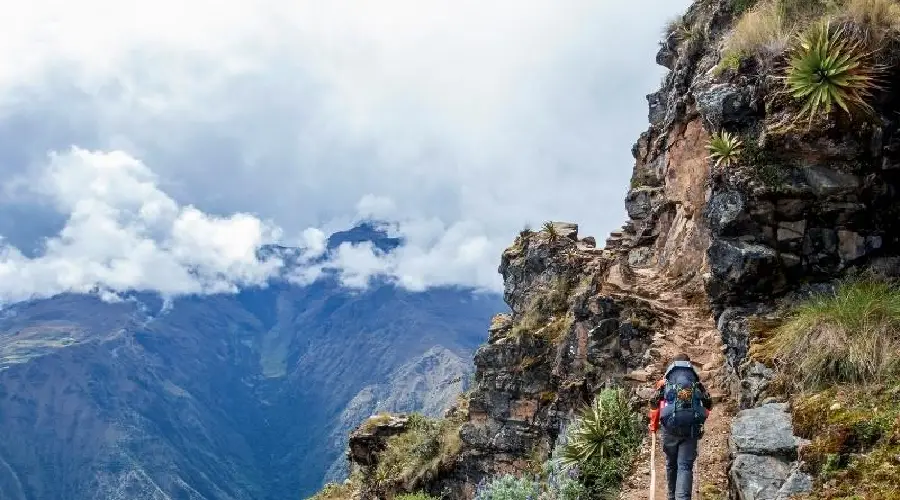
Weather and Preparation by Time of Year
The weather in Choquequirao varies throughout the year and even during the same day. Being prepared for changes in
temperature and humidity is crucial for a safe and enjoyable trek.
- Daytime: During the dry season, daytime temperatures range between 20°C and 25°C. In the rainy season,
temperatures can feel warmer but more humid. - Nighttime: At night, temperatures in the dry season can drop to around 0°C in higher camps like Marampata.
In the rainy season, nights tend to be less cold but feel wetter due to humidity.
Preparation tips for any season:
- Always bring layered clothing: base layer, insulating layer, and waterproof outer layer.
- Carry a good quality rain poncho or waterproof jacket, even in the dry season.
- Use sunblock, sunglasses, and a hat in the dry season.
- In the rainy season, add insect repellent and quick-drying clothing.
- If you book a tour, ask the agency for an updated packing list based on the month of your trip.
Investing in proper equipment and, if possible, in a guided Choquequirao trekking tour, will greatly
improve your comfort and safety, regardless of the month you travel.
Recommendations by Season
If You Travel in the Dry Season
- Book your tour in advance, especially from June to August.
- Bring sun protection: sunscreen, sunglasses, hat or cap.
- Expect cold nights and pack a good sleeping bag rated below 0°C.
- Use official or recommended campsites, as there will be more hikers on the route.
If You Travel in the Rainy Season
- Check trail and weather conditions before starting the trek.
- Avoid crossing swollen rivers or areas with high risk of landslides.
- Wear waterproof boots, gaiters, and bring a reliable headlamp.
- Consider traveling with a professional guide and a well-organized tour operator.
In both seasons, it is highly recommended to travel with an agency that knows the route well, adjusts the itinerary
according to conditions, and can assist you in case of unforeseen events. This way you can book a Choquequirao tour
with more confidence and enjoy the experience instead of worrying about logistics.
Frequently Asked Questions
What is the best season to trek to Choquequirao?
From May to October. This is the dry season, with fewer rains, safer paths, and better trekking conditions for most travelers.
Is it worth going during the rainy season?
Yes, if you seek more solitude, intense green landscapes, and don’t mind the extra challenge. However,
it is better for experienced trekkers or those traveling with a guide.
Can I change my route according to the weather?
In many cases, yes. Some agencies can adapt the itinerary, modify campsites, or change departure days based on conditions,
but it is best to plan the main route before starting your trip.
Does flora and fauna change a lot between seasons?
Yes. In the rainy season vegetation is denser and there are more birds and insects, while in the dry season visibility is better
for observing condors and Inca structures.
Conclusion
Choosing the best season to visit Choquequirao depends on what you are looking for: safety, photography, solitude,
or wild nature. The dry season is ideal for most travelers, especially first-time trekkers, while the
rainy season reveals a more intense, challenging, and mystical side of this Inca city.
Analyze your travel goals, evaluate your physical condition, and decide which route and season are best aligned
with your trekking experience. If you want extra support, clear logistics, and local expertise, you can
book a Choquequirao trekking tour with a professional operator and simply focus on enjoying the journey.
Whatever you decide, the reward will be the same: a deep encounter with the living history of the Andes,
breathtaking landscapes, and the feeling of having reached one of the last great secrets of the Inca Empire.
Get ready for an unforgettable adventure to one of Peru’s most impressive and authentic trekking destinations.