

December Festivals in Cusco: Christmas Spirit, Living Tradition and Deep Devotion
The December Festivals in Cusco are a vivid reflection of spirituality, vibrant customs and strong family unity. This month closes the annual cultural calendar with a burst of emotions, faith, traditions and living culture. From important Catholic feasts like the Immaculate Conception and Saint Lucy to highly anticipated celebrations such as Christmas and the famous Santurantikuy Fair, December becomes a bridge connecting the sacred, the communal and the artistic.
Throughout Cusco, December is experienced with intensity and joy. Streets are illuminated with thousands of lights, markets are filled with traditional sweets, and families prepare elaborate nativity scenes while sharing hot chocolate gatherings. The December Festivals do not only commemorate the birth of Jesus Christ but also highlight the creativity of Andean artisans and the profound spirituality of the Quechua communities. It is a month of reunion, renewed hope and a celebration that embodies the soul of Cusco.
Saint Barbara
On December 4th, the feast of Saint Barbara is celebrated, recognized as the protector of artillerymen, miners and electricians. In Cusco, this day is especially remembered in rural areas and communities where physically demanding and risky work is part of daily life. Masses, solemn processions and symbolic blessings of work tools are performed as signs of divine protection for everyday labor.
The festivities include bright and colorful fireworks displays, a tradition historically linked to Saint Barbara because of her association with thunder, lightning and electrical power. Communities also gather to share communal meals, perform acts of brotherhood and sing hymns in her honor. This important celebration opens the December Festivals with a message of resilience, unwavering faith and hope for those who courageously face the challenges of their work with devotion and strength.
Immaculate Conception
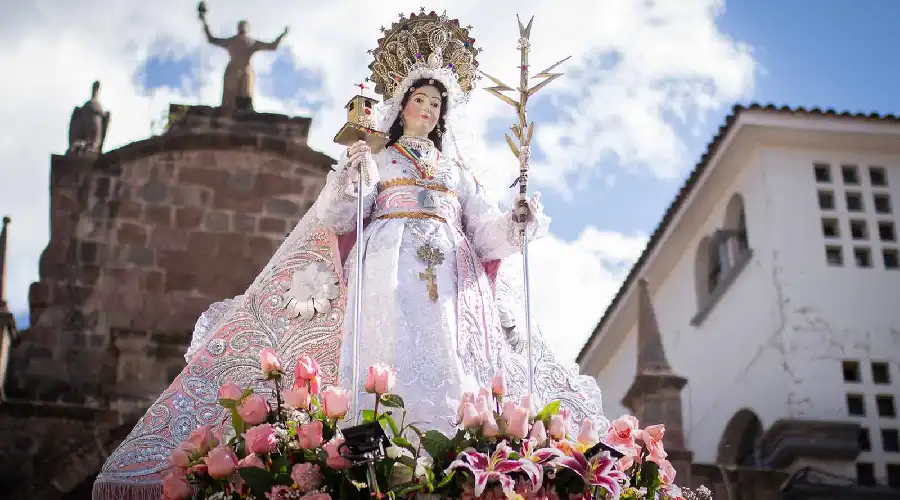
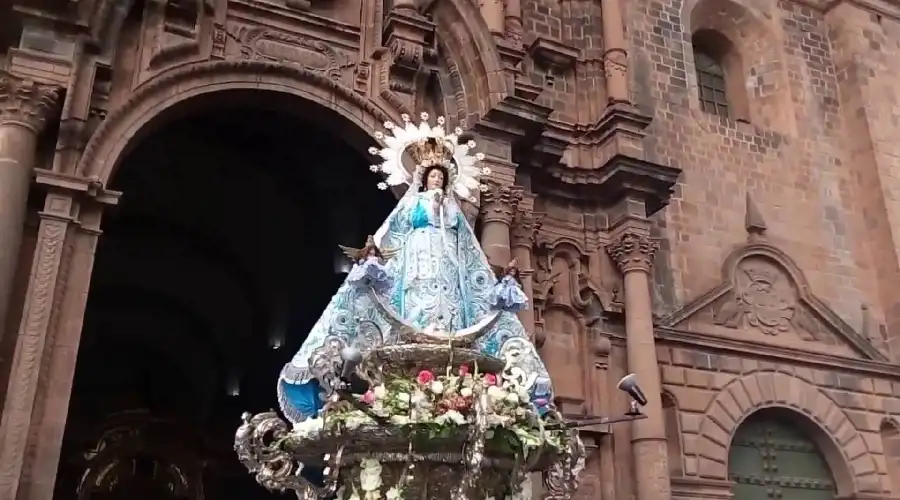
On December 8th, the Immaculate Conception is honored, one of the most important Marian celebrations of the Catholic Church. In Cusco, this day gathers thousands of faithful who attend churches to participate in solemn masses, vibrant processions and nine-day novenas dedicated to the Virgin Mary, venerated as being free from original sin since her conception.
Streets are decorated with white flags, and altars are covered with delicate flowers such as lilies and roses. This day also marks the symbolic beginning of the Christmas season, as many families take the opportunity to set up their nativity scenes and decorate their homes. Within the December Festivals, the Immaculate Conception serves as a moment of spiritual purification and collective faith, reaffirming Marian devotion deeply rooted in the heart of Cusco.
Virgin of Guadalupe
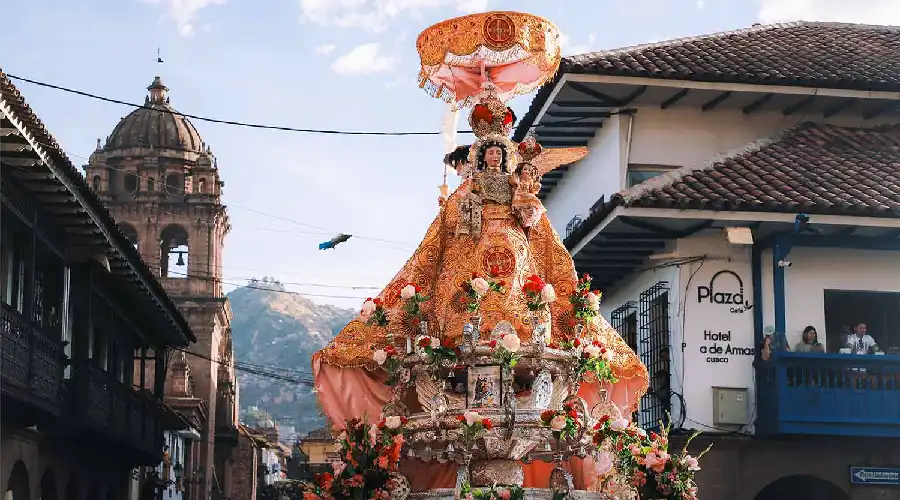
On December 12th, the Virgin of Guadalupe is celebrated, patroness of Mexico and an emblem of Latin American unity. Although this Marian devotion is not originally from Cusco, its presence has been steadily growing thanks to Mexican and Latin American communities living in the region and sharing their traditions.
Special multicultural masses, altars beautifully decorated with roses, folkloric dances and traditional songs such as “La Guadalupana” take place in selected parishes. Gastronomic fairs and educational activities about the story of the Virgin of Guadalupe and her apparition at Tepeyac Hill are also organized. This celebration adds cultural diversity and vibrancy to the December Festivals, reminding everyone that faith transcends national borders and connects peoples through shared spirituality.
Winter Solstice Festival
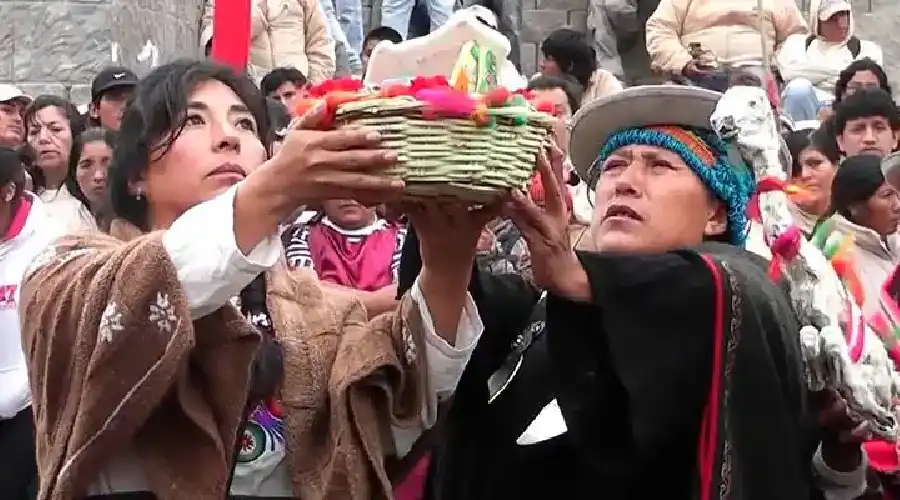
On December 21st, the Winter Solstice is marked in the northern hemisphere, while in Cusco, located in the southern hemisphere, this date corresponds to the astronomical summer solstice. Nevertheless, many Andean communities choose this day to perform ancestral ceremonies to give thanks to the Pachamama and Inti for the agricultural cycle that ends and the one about to begin.
Traditional offerings to the earth, careful observation of solar alignments at archaeological sites and symbolic pilgrimages to sacred mountains known as apus are performed. This celebration highlights the eternal connection between human beings and nature, a core value of the Andean worldview. Within the December Festivals, this day is a valuable opportunity to preserve and showcase pre-Hispanic traditions that remain alive in the high Andes.
Christmas Eve
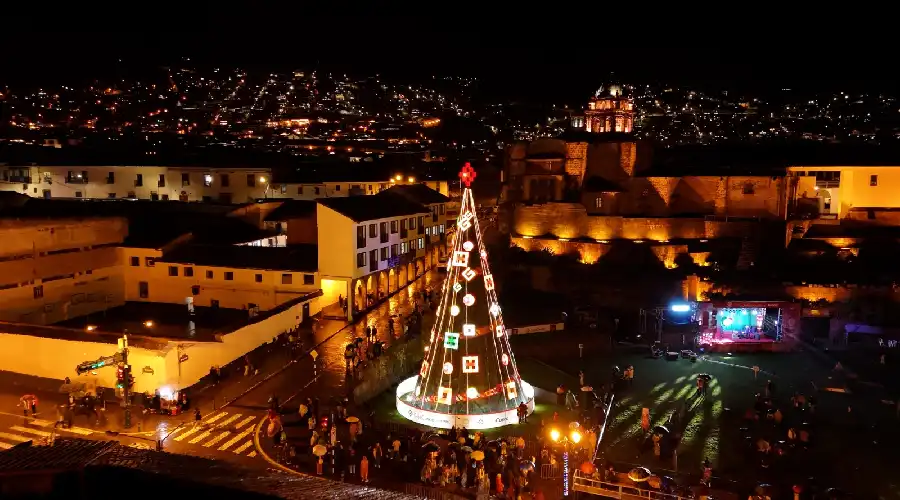
Christmas Eve on December 24th is one of the most emotional and anticipated dates in Cusco’s calendar. Families come together to share a special dinner, exchange gifts and light candles around the nativity scene. In many homes, the rosary is prayed and the Gospel of Jesus’ birth is read aloud while children place the figure of Niño Manuelito in the manger with care and devotion.
Churches hold the traditional Midnight Mass, uniting the community in prayer, music and celebration. In plazas and neighborhoods, Christmas carols echo through the streets, hot chocolate and sweet bread are shared, and colorful fireworks illuminate the Cusco night sky. This celebration perfectly captures the essence of the December Festivals: deep faith, family unity and renewed hope for the future.
Christmas and Santurantikuy
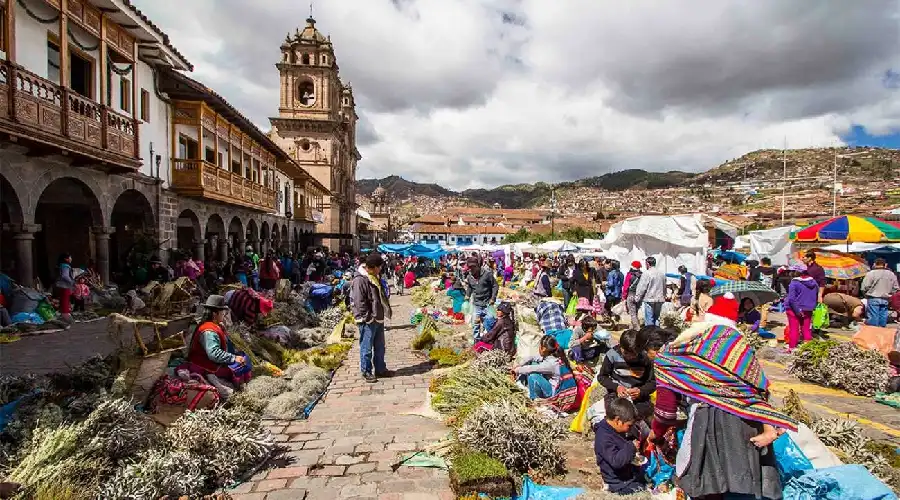
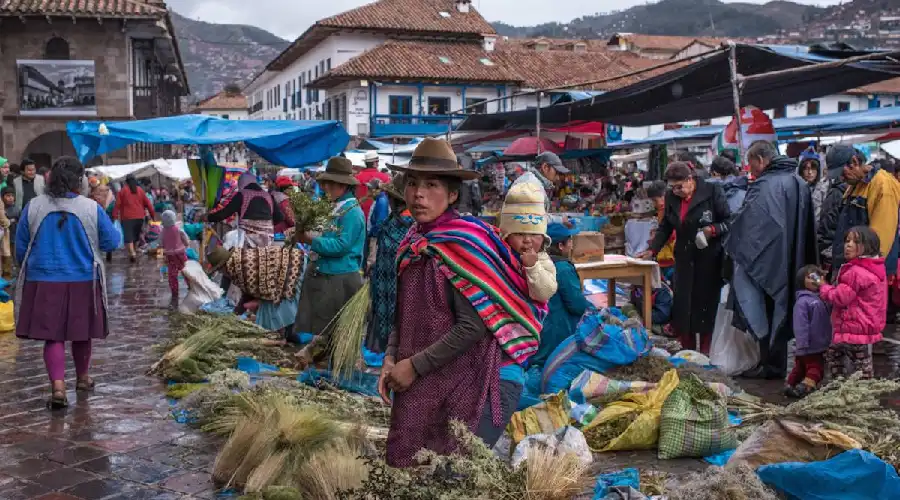
On December 25th, Christmas coincides with the traditional Santurantikuy Fair, one of the most emblematic festive events in Cusco’s annual calendar. This fair gathers hundreds of skilled artisans who display their creations in the Plaza de Armas, featuring nativity sets, Niño Manuelito figures, retablos and a wide variety of Andean Christmas art.
Declared National Cultural Heritage, the Santurantikuy Fair is far more than a market: it is a living celebration of art, faith and Andean cultural identity. Christmas in Cusco is experienced through heartfelt prayers, the exchange of handmade gifts, visits to churches and collective acts of solidarity. This major celebration closes the December Festivals with a powerful message of love, creativity and cultural heritage that remains alive in every Cusqueñan heart.
Takanakuy
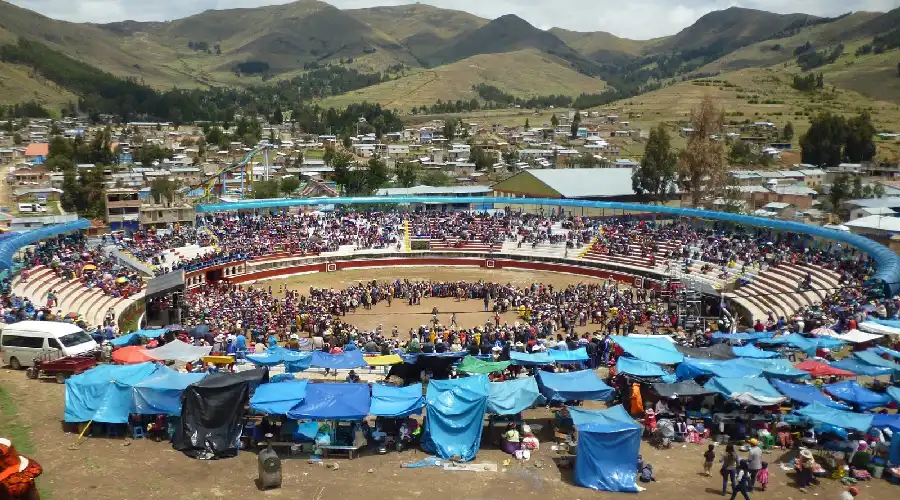
On December 25th, the ancestral tradition known as Takanakuy is also celebrated in the province of Chumbivilcas, particularly in the district of Santo Tomás. This unique festivity, whose Quechua name means “to hit one another,” consists of ritual fights between community members aimed at resolving pending conflicts and entering the new year in harmony and balance.
The day begins with vibrant dances, traditional huaylia music, colorful parades and troupes in which men, women and even children participate wearing distinctive costumes combining Andean and colonial elements such as masks, boots and whips. Later, in a communal arena, ritual combats are held under strict rules and with the presence of community witnesses.
Beyond the physical fights, Takanakuy symbolizes social catharsis, popular justice and reconciliation. It represents the ability of high-Andean communities to handle their own conflicts with dignity, courage and mutual respect. It is also a powerful expression of cultural identity and pride that is increasingly gaining recognition throughout Peru and across the world.