






Huacarpay Lagoon: A Natural and Cultural Refuge in the South Valley
The Huacarpay Lagoon is one of the most important Andean wetlands in Peru, located in the heart of the South Valley of Cusco. It is renowned for its spectacular scenic beauty, rich biodiversity, and the historical and spiritual relevance it has held for various cultures throughout the centuries. Visiting Huacarpay Lagoon means immersing yourself in a space of serenity where nature and history intertwine.
Surrounded by imposing mountains and traditional farmlands, the lagoon has become a favorite destination for birdwatching, outdoor walks, and ecotourism experiences. Its proximity to archaeological complexes such as Pikillacta and Rumicolca adds even more cultural value, allowing travelers to explore both the natural heritage and historical legacy of the South Valley. In this guide, you will discover everything you need to fully enjoy your visit to Huacarpay Lagoon.
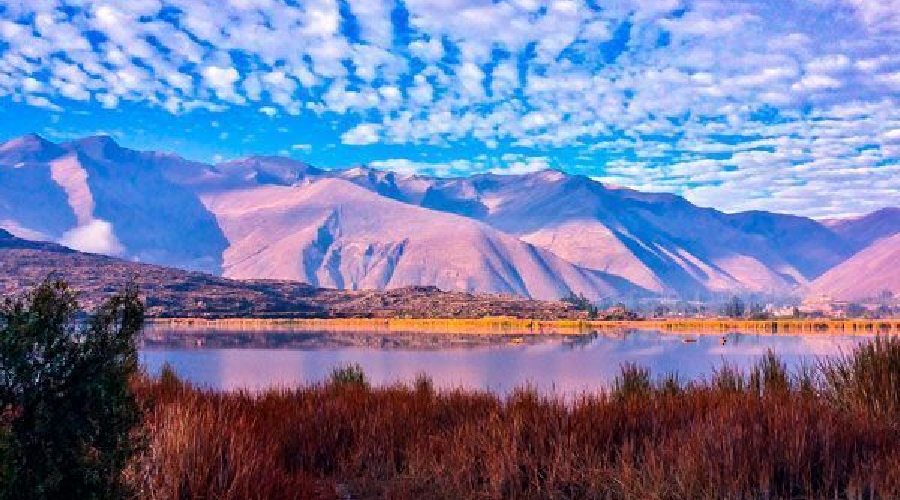
Where is Huacarpay Lagoon Located?
Huacarpay Lagoon is located about 30 km southeast of Cusco city, in the district of Lucre, Quispicanchi province. This beautiful wetland sits at 3,050 meters above sea level, right on the South Valley tourist route. Getting to the lagoon is simple: you can arrive either by private vehicle or public transportation from Cusco, with an average journey of 40 to 50 minutes along the Cusco–Urcos highway.
Most organized tours through the South Valley include a stop at Huacarpay Lagoon because of its ecological appeal and proximity to major archaeological sites. If you prefer to travel independently, you can take buses or shared taxis that regularly pass through Lucre and Huacarpay. Accessibility and signage are good, and you will find well-maintained paths for walking around the lagoon, as well as picnic and rest areas.
History and Significance of Huacarpay Lagoon
The area surrounding Huacarpay Lagoon has been inhabited since pre-Inca times by civilizations such as the Wari, and later the Incas. The nearby Pikillacta complex, one of the region’s oldest urban centers, testifies to the historical importance of this valley. The lagoon was not only a vital resource for water supply and agricultural irrigation but also a ceremonial and spiritual site.
The name “Huacarpay” derives from the Quechua words “wakar” (to cry) and “pay” (she), evoking ancient local legends about women weeping by the lagoon. According to oral traditions, this place was the scene of rituals dedicated to water, fertility, and the apus, or mountain spirits, regarded as protectors of the region. The relationship between the lagoon and Andean communities has remained alive over the centuries, integrating agricultural, fishing, and ritual practices up to the present day.
Biodiversity and Ecosystem
Huacarpay Lagoon has been classified as a Ramsar Site since 2006, recognizing its international importance as a wetland. It is home to more than 130 bird species, including herons, flamingos, wild ducks, the Andean grebe, and migratory species that find refuge here at different times of the year.
- Aquatic birds: Notable species include the great egret, Chilean flamingo, puna teal, and the Andean grebe—ideal for birdwatching and photography.
- Terrestrial fauna: In the surrounding areas, you can spot vizcachas, Andean foxes, frogs, and occasionally small deer.
- Native flora: Cattails, reeds, molle trees, and plants adapted to high-altitude wetland ecosystems are prominent, crucial for ecological balance and soil protection.
- Ecological importance: The lagoon regulates the local microclimate, naturally filters wastewater, and helps preserve the region’s agricultural fertility.
This biodiversity makes Huacarpay a natural laboratory for biologists and nature enthusiasts. However, it is also a fragile ecosystem, affected by human pressure and climate change, which makes its conservation a top priority.
Cultural and Environmental Importance
Huacarpay Lagoon is much more than a scenic spot; it is a space where local communities continue ancestral practices such as artisanal fishing, cattail harvesting for handicrafts, and ecological terrace farming. These activities keep millenary traditions alive and foster the region’s cultural identity.
In the Andean worldview, water is a sacred element. Even today, during festivals such as the Pachamama celebration, offerings and payments to the water are made on the lagoon’s shore to ask for abundant crops and environmental protection. Environmental organizations and NGOs work with the community to protect the wetland, promoting environmental education and clean-up activities.
Environmentally, the lagoon is key for flood control, aquifer recharge, and drought prevention, making it indispensable for the ecological balance of the South Valley.
Visitor Experience
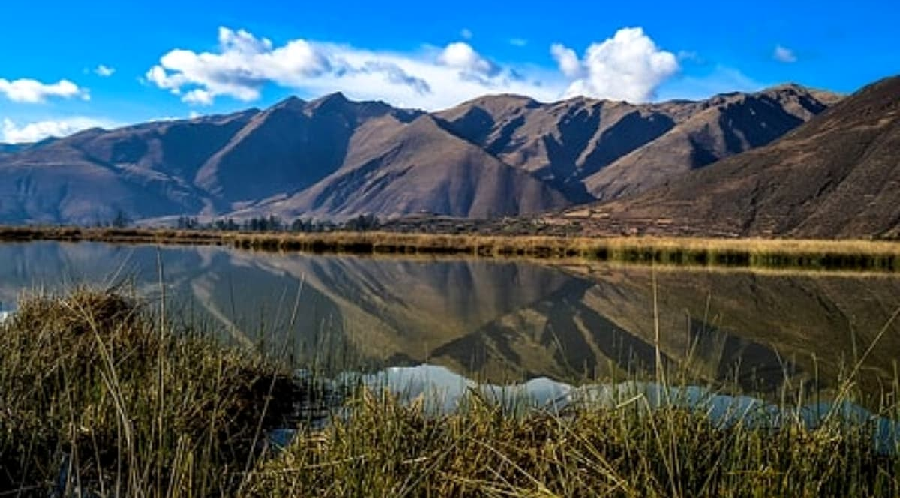
Visiting Huacarpay Lagoon offers an experience that combines nature, culture, and adventure. Visitors can enjoy:
- Birdwatching: The lagoon is a paradise for birdwatchers and photographers, especially during migration seasons. Bring binoculars and a camera.
- Walking or cycling: Well-marked ecological trails are available for walking and biking. The routes circle the lagoon and traverse native vegetation zones.
- Cultural interaction: You can visit nearby communities to learn traditional farming techniques or try typical dishes such as fried trout and roasted guinea pig.
- Archaeological visits: Complement your trip with a visit to Pikillacta, Rumicolca, and other nearby historical sites.
There are also picnic areas and rest zones, ideal for a family outing or for those seeking moments of introspection and connection with nature.
Travel Tips
- Visit the lagoon in the early morning to enjoy the best light and peak bird activity.
- Bring comfortable, lightweight clothing, sunscreen, a hat, and sunglasses; the weather is sunny during the day but cool in the evening.
- Don’t forget insect repellent, especially during the rainy season.
- Download a bird guide or identification app to make the most of your birdwatching.
- Respect the environment: do not litter, do not disturb flora or fauna, and follow the advice of local guides.
- Include the lagoon as part of a South Valley tour for a more complete and educational experience.
Conclusion
Huacarpay Lagoon is a must-see destination for those wishing to discover the natural and cultural richness of the South Valley of Cusco. Its serene environment, impressive biodiversity, and deep connection to Andean history and spirituality make it a unique place in Peru.
Plan your visit to connect with nature, learn from living cultures, and enjoy a landscape seemingly untouched by time. Huacarpay Lagoon awaits you with its crystal-clear reflection, ancestral memory, and a peace hard to find in other tourist destinations. Be sure to include this natural treasure in your next trip to Cusco.