






Tipón: A Masterpiece of Inca Hydraulic Engineering
Located just 25 kilometers southeast of the city of Cusco, the South Valley is home to one of the most fascinating Inca sites: Tipón. This remarkable archaeological complex reflects the wisdom and legacy of the Inca civilization through stunning landscapes, impressive architecture, and an ingenious hydraulic system that continues to astonish modern experts.
In this guide, we’ll explore the advanced Inca hydraulic engineering at Tipón, a jewel of ancient Andean knowledge designed to manage water for ritual, agricultural, and everyday use with precision and sustainability.
Historical Context
According to historians, Tipón was built as a royal estate for the Inca ruler Wiracocha. Beyond its agricultural and spiritual use, the complex also served political and educational purposes. Situated in the fertile South Valley, Tipón provided the perfect environment for agricultural experimentation and water ceremonies.
Water was sacred to the Incas. Sites like Tipón were not just agricultural centers—they were places of worship, where water was honored through offerings to the apus (mountain spirits) and Pachamama (Mother Earth).
Inca Hydraulic Engineering
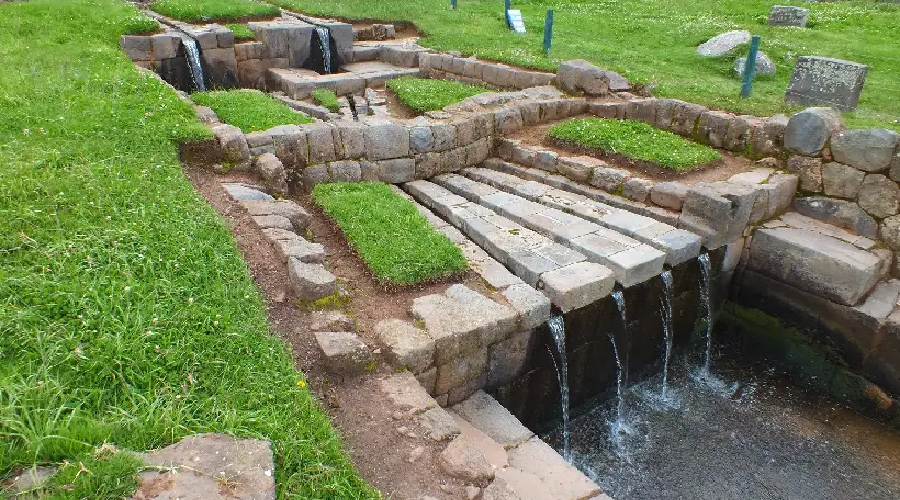
What distinguishes Tipón is its exceptional hydraulic design. The Incas channeled spring water from the mountains to terraces, ceremonial fountains, and structures with extraordinary precision—proof of their advanced civil engineering skills.
- Carved stone canals: Many channels are over 600 years old and still functional.
- Natural filtration: Water passes through sand and stone layers to remain clear.
- Precise gradients: Slopes were designed to maintain a continuous, non-erosive flow.
- Ritual fountains: Some water features were used for ceremonial liquid offerings.
How the Hydraulic System of Tipón Works
The hydraulic system at Tipón begins with natural springs at higher altitudes. These sources feed a complex network of finely engineered stone canals that distribute water evenly across the site.
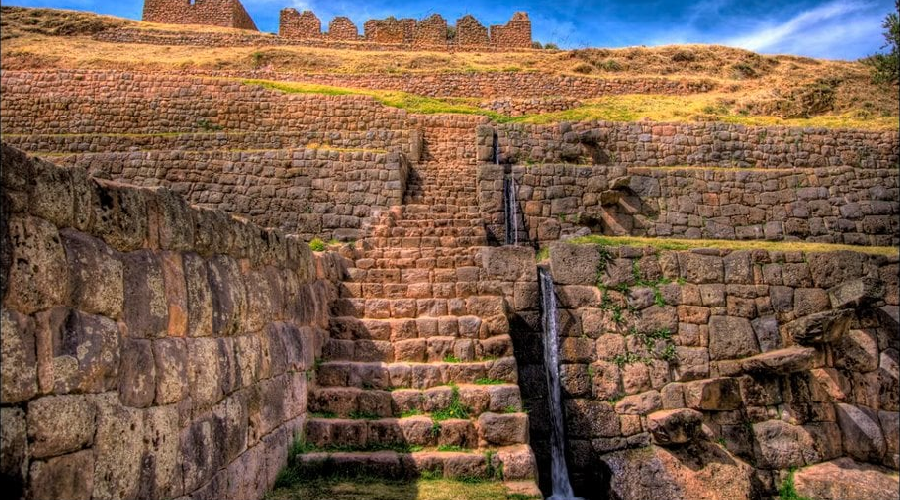
Water is delivered to the agricultural terraces in a stepwise fashion, ensuring efficient irrigation and minimal waste. During different seasons, flow is controlled through gates and diversions built into the system, demonstrating both foresight and adaptability.
At the heart of Tipón lies its main ceremonial fountain, where four streams flow harmoniously into a central basin. This design symbolizes the balance of the four elements, highlighting the sacred role of water in Inca cosmology.
Cultural and Scientific Value
Tipón holds immense value beyond archaeology. Its hydraulic system is a marvel that continues to inspire scientists and engineers today. Research has shown that many techniques from Tipón could inform sustainable agricultural practices in modern farming.
In recognition of its cultural and scientific importance, Tipón is listed on UNESCO’s tentative list for World Heritage designation. It stands as a powerful example of how ancient civilizations worked in harmony with nature.
The Experience of Visiting Tipón
Visiting Tipón feels like stepping into a living water symphony. The soothing sound of water guides you through trails lined with ceremonial steps, carved fountains, and terraced fields. It’s an immersive journey through nature, engineering, and spirituality.
- Well-marked trails: Easy access to all parts of the archaeological site.
- Perfect for photography: Terraces, water features, and mountain scenery offer ideal photo opportunities.
- Spiritual ambiance: Visitors often report a unique sense of peace and energy at Tipón.
- Educational appeal: A valuable destination for students of engineering, anthropology, and architecture.
Travel Tips
- Bring water and snacks: Even with some shaded areas, walking can be demanding.
- Wear comfortable shoes: Use footwear with good grip—stone steps and slopes can be tricky.
- Hire a local guide: A guide will help you fully understand the ritual and engineering aspects of Tipón.
- Respect the system: Avoid touching or altering the channels—they are still functional and sacred.
- Visit in the morning: Better lighting, cooler temperatures, and fewer crowds enhance the experience.
Conclusion
Tipón is one of the greatest achievements of pre-Hispanic engineering in the Andes. Visiting this site is more than a history lesson—it’s an inspiration to rethink our relationship with water and nature.
More than just another stop in the South Valley, Tipón is a sanctuary of wisdom, a living testament to Inca ingenuity, and a beacon for sustainable practices inspired by ancestral knowledge.