


July in Cusco: Faith, Identity and Patriotic Spirit
The July Festivals in Cusco represent one of the most vibrant, meaningful and culturally rich periods of the entire Andean calendar. This month becomes a living expression of Peru’s spiritual devotion, cultural heritage and patriotic pride, blending religious manifestations, artistic traditions and national celebrations into a unique atmosphere of collective identity. Every street, plaza and rural path of Cusco comes alive during July with a combination of music, dance, faith and history that resonates deeply with locals and visitors alike.
Throughout the month, the city transforms into a monumental stage where the spiritual legacy of the Andes converges with the cultural richness inherited from centuries of tradition. The July Festivals are not just celebrations; they are a profound reaffirmation of identity, a dialogue between past and present, and a demonstration of the living strength of Andean culture. For the people of Cusco, July is not only a festive season but also a sacred time to honor their patron saints, celebrate their national heritage and preserve the millenary traditions that define their collective soul.
For travelers, July offers an unparalleled opportunity to experience Cusco from its most authentic cultural perspective. Participating in the July Festivals means being immersed in a world of ancestral dances, ceremonial processions, traditional music and communal meals that connect every participant with the heartbeat of the Andean world. These celebrations are more than performances—they are living traditions, cultural expressions that transmit values, history and spirituality through art and collective devotion.
Virgin of Carmen (San Jerónimo)
On July 9, the festive calendar opens with the celebrated Virgin of Carmen in San Jerónimo. Known affectionately as “Mamacha Carmen,” this festivity is both a religious pilgrimage and a cultural spectacle that combines profound devotion with extraordinary artistic expression. Colorful dance troupes such as Qhapaq Qolla, Diablada, Saqras and Mestiza Collacha fill the streets with vibrant energy, accompanied by brass bands, religious hymns and dazzling fireworks. The sacred image of the Virgin is carried on shoulders amidst applause, prayers and tears, creating an atmosphere of spiritual intensity and cultural pride.
For the community of San Jerónimo, this is also a moment of reunion and identity. Many families return from different parts of Peru and abroad to participate in the celebration, strengthening ties with their roots. The preparation for this day takes weeks of careful planning, rehearsals and communal work, making the festivity a collective effort that unites generations. For visitors, it is an unforgettable experience where spirituality and cultural heritage converge in an extraordinary way.
Virgin of Carmen (San Sebastián)
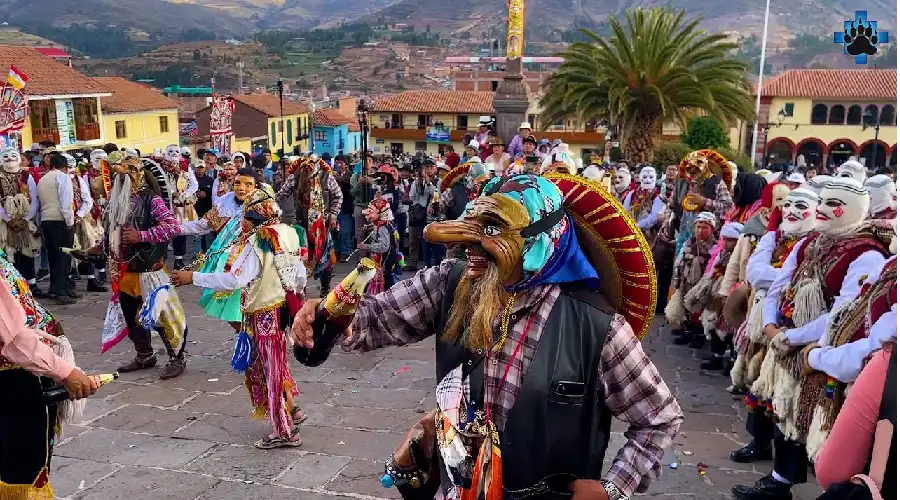
On July 12, the Virgin of Carmen is honored in San Sebastián, a district renowned for its strong cultural traditions and heartfelt devotion. Streets are adorned with floral altars and vibrant decorations, while masked dancers, musicians and colorful troupes parade through every corner of the town. Among the emblematic dances are the Qhapaq Negro, Chunchachas, Mestiza Collacha, Negrillos and the humorous Saqras, whose theatrical antics bring laughter while carrying symbolic meaning.
Beyond its religious dimension, the celebration in San Sebastián is a powerful social event that reinforces community bonds, passes on cultural knowledge to younger generations and celebrates collective identity. Visitors are welcomed into a world where faith and art intertwine, and where every step of the dancers tells a story rooted in centuries of Andean and Catholic tradition.
Beginning of the Virgin of Carmen
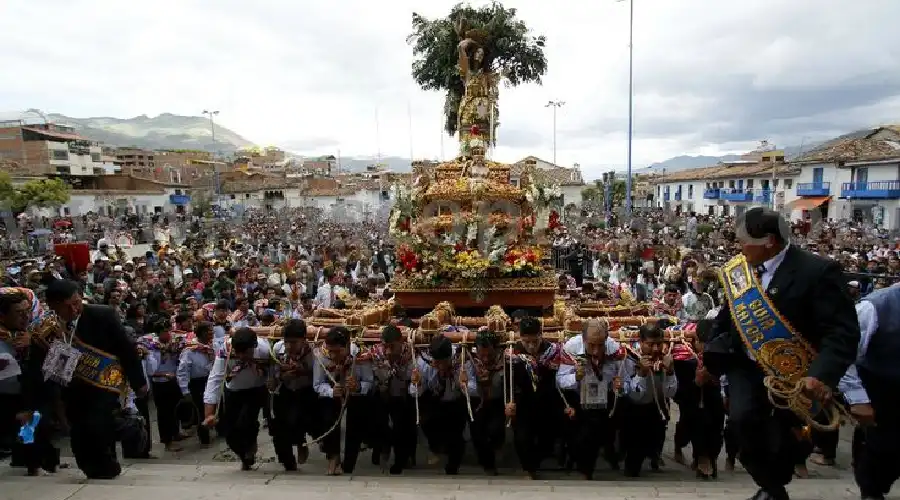
July 15 is recognized as the spiritual prelude to the grand feast of the Virgin of Carmen. Throughout Cusco’s towns and neighborhoods, vigils, communal prayers and elaborate decorations transform churches and streets. The alféreces, those responsible for organizing the feast, offer communal meals, distribute devotional cards and lead charitable activities, embodying the deep sense of responsibility and faith that sustain these traditions.
This day allows a glimpse into the inner workings of communal organization and cultural continuity. Tourists and locals alike can witness the dedication of communities preparing for the main festivities, see the traditional garments displayed with pride and hear the ancestral legends of Mamacha Carmen being shared among families and neighbors, ensuring that cultural memory remains alive and strong.
Virgin of Carmen (Paucartambo)
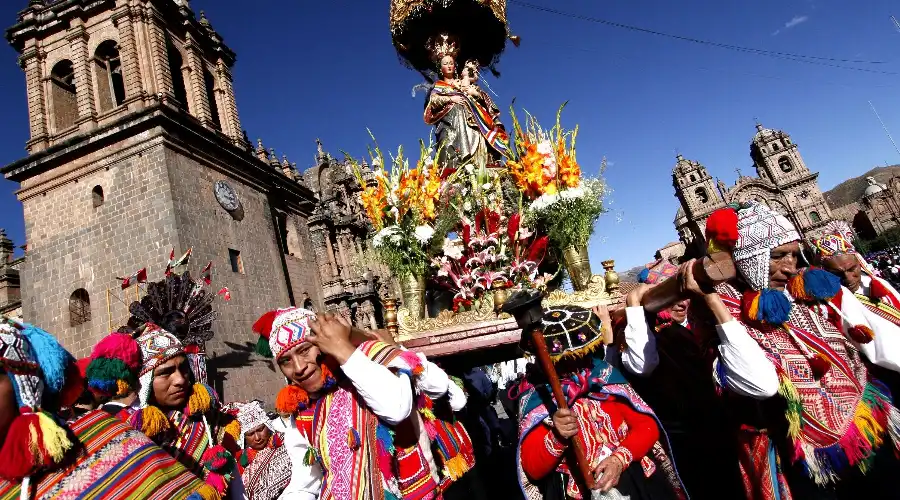
July 16 is the pinnacle of the July Festivals: the Virgin of Carmen in Paucartambo. Declared National Cultural Heritage for its unparalleled spiritual and artistic value, this celebration gathers thousands of devotees and visitors in a unique blend of Catholic devotion and Andean tradition. More than 20 traditional dances participate in the processions, each with its own symbolism, narrative and cultural resonance. The mischievous Saqras embody chaotic energy and satire; the Qhapaq Negro pay homage to the Afro-Andean presence; and the Maqtas humorously critique colonial authority.
During these days, Paucartambo transforms into a living cultural stage. The Carlos III bridge, colonial balconies and the town’s historic temple become the heart of ceremonies where pre-Hispanic rituals and Catholic processions merge seamlessly. Accommodations overflow, and temporary camps spring up as visitors from across Peru and the world gather to witness this extraordinary cultural and spiritual manifestation.
Patriotic Evening
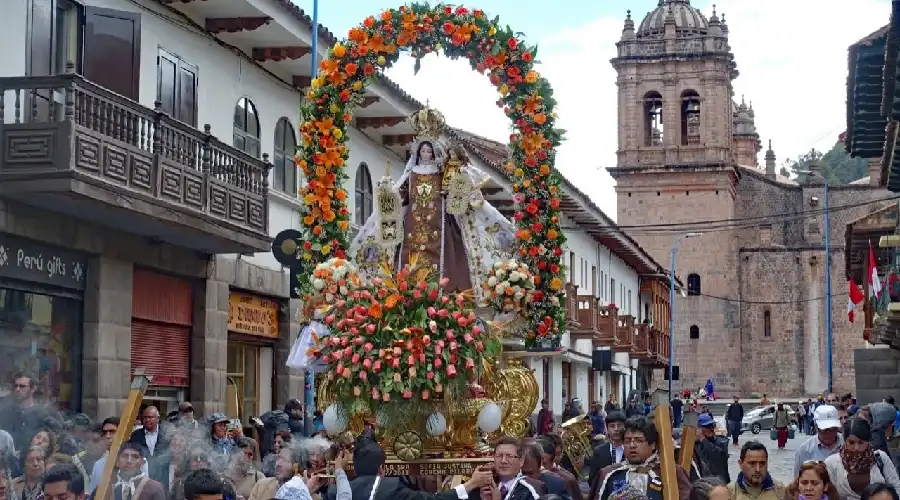
On the night of July 24, Cusco prepares for the commemoration of Peru’s independence with the traditional Patriotic Evening. Plazas, theaters and auditoriums fill with cultural performances that blend music, theater and historical reenactments. School groups perform plays, recite poetry and sing anthems, turning the evening into a vibrant expression of civic pride and historical memory. The event is both a cultural celebration and an educational experience that reinforces national identity.
Saint James the Apostle
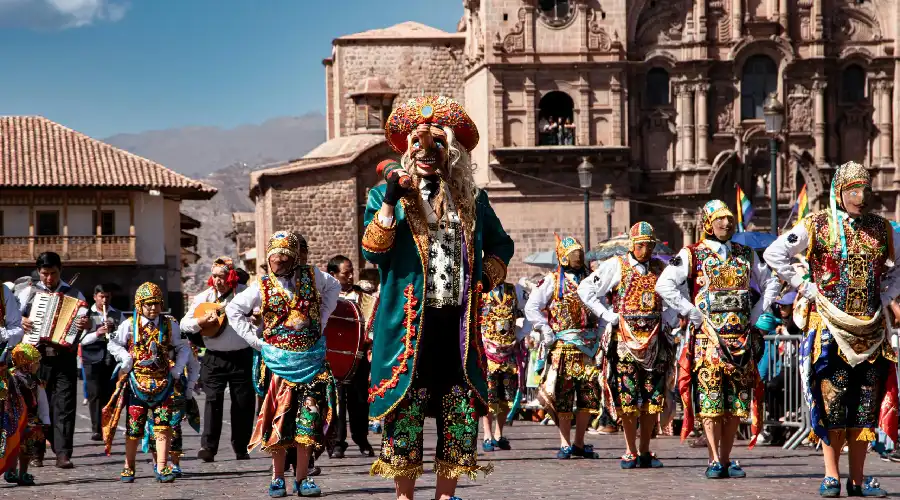
On July 25, the feast of Saint James the Apostle takes place, a celebration with Spanish roots that has been embraced and transformed by Andean communities. In towns such as San Salvador, Coya and Combapata, the day is marked by solemn masses, processions, horseback dances and communal meals featuring traditional dishes like chiriuchu, chicharrón and tamales. Organized by local brotherhoods, this festivity preserves a cultural heritage that has endured for centuries and remains deeply significant to rural Cusco.
Peruvian Independence Day
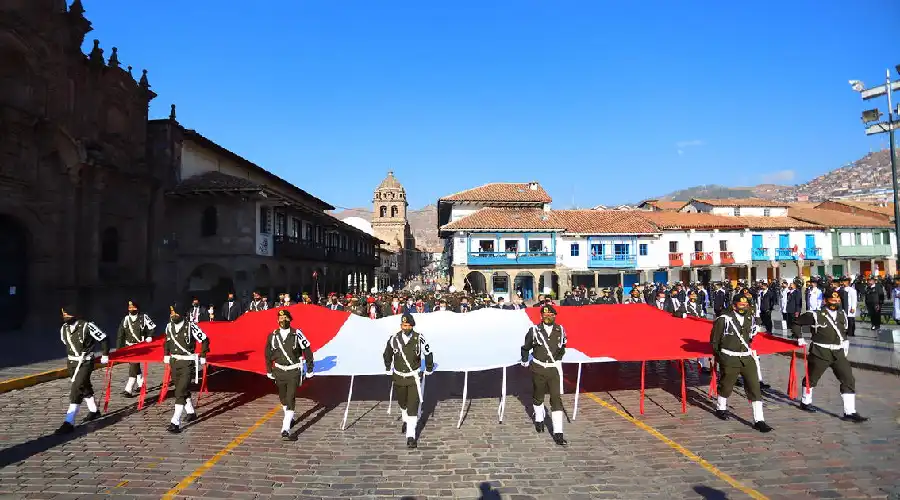
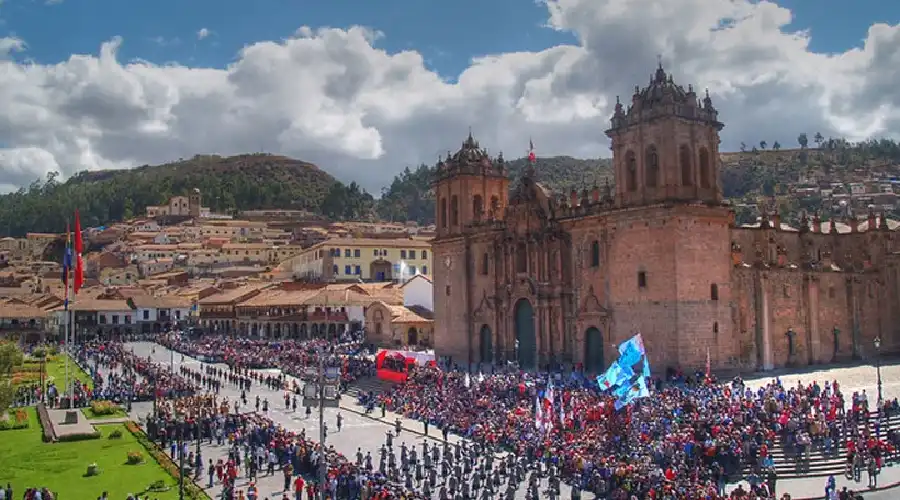
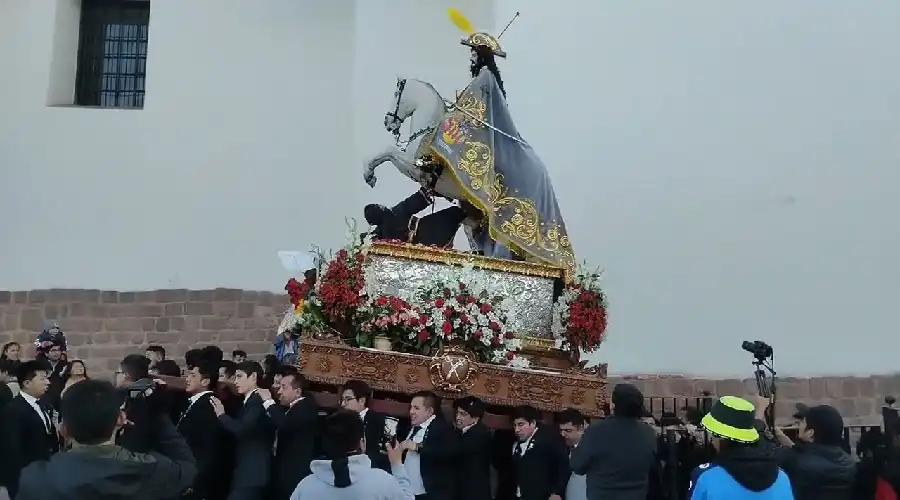
July 28 marks Peruvian Independence Day, the culmination of the national civic calendar. In Cusco, this date is celebrated with patriotic fervor that blends national pride with local tradition. Ceremonies in the Plaza de Armas begin at dawn with the raising of the national flag, followed by school parades, official ceremonies and cultural presentations. It is a day of reflection on freedom, history and collective identity.
Families gather to share traditional dishes and commemorate the nation’s heritage, while tourists flock to Cusco to witness the unique combination of civic celebration and Andean culture. The July Festivals close with a sense of unity, pride and collective memory that strengthens the cultural fabric of the region.