


March in Cusco: Living Tradition, Cultural Diversity and Andean Spirituality
The March Festivals in Cusco represent a profound manifestation of cultural diversity, Andean spirituality and the resilience of ancestral traditions. This extraordinary month, the region transforms into a vibrant stage of celebrations that honor faith, nature and the essential role of communities in preserving their millenary roots.
Each of these March Festivals has a unique and distinctive character, but all share a deep respect for the Andean worldview, the traditional agricultural calendar and collective spirituality. March also represents a natural transition season: summer ends, autumn begins, and with it emerge new cycles of planting, harvest and spiritual renewal that make the March Festivals in Cusco a genuine invitation to reconnect with the land, traditions and the authentic soul of the Andean people.
Start of Rural Carnivals
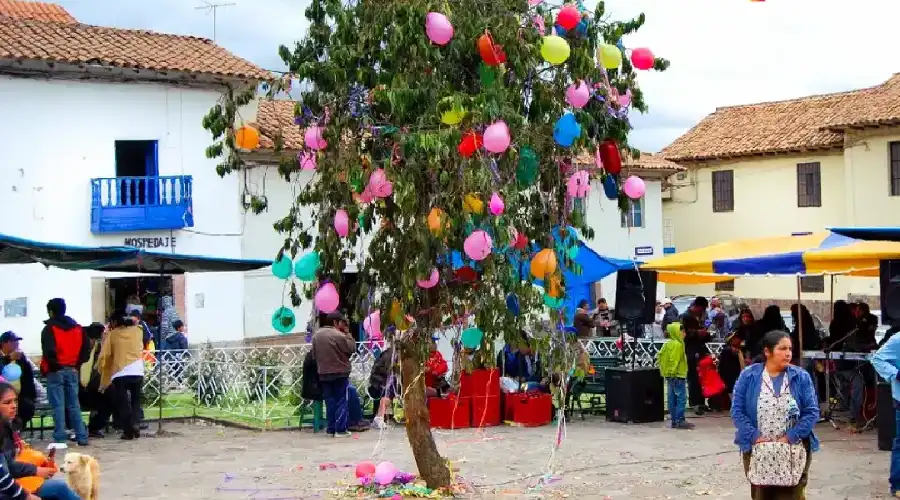
March 1 marks the anticipated beginning of the Rural Carnivals, considered one of the most authentic and representative cultural expressions of Cusco’s Andean communities during the March Festivals. Unlike the conventional urban carnival, the rural carnival is a decentralized phenomenon extending over several weeks in strategic areas such as Calca, La Convención, Canchis, Paucartambo, Quispicanchi and Chumbivilcas.
Complementing the yunza, there are community parades, folk dance contests, solidarity food exchanges and spiritual rituals expressing the Andean worldview. The Rural Carnivals are one of the deepest celebrations of the March Festivals, offering visitors a unique opportunity to integrate authentically with the communities and live the carnival from its most genuine cultural roots.

Carnival Tinkuy
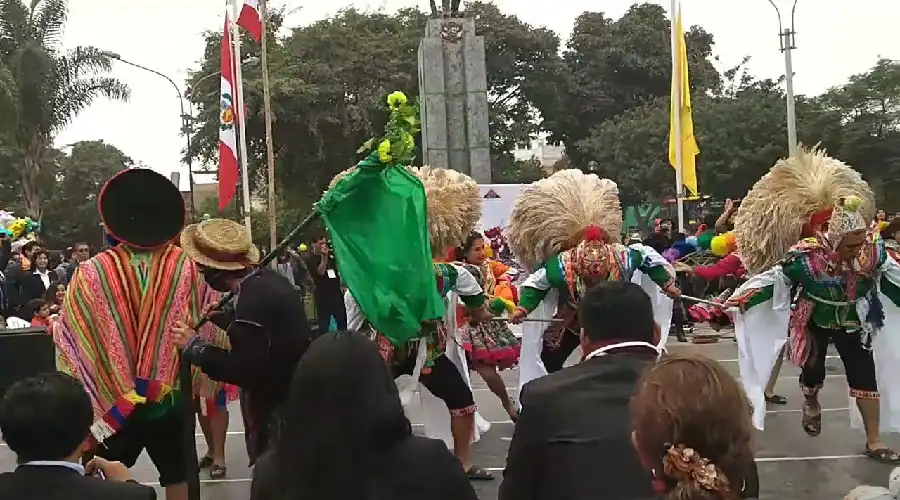
On March 5, the emblematic Carnival Tinkuy takes place, an extraordinary cultural event bringing together various communities in a fraternal meeting of cultures, traditional dances and ancestral music, making it one of the most significant March Festivals. «Tinkuy» is a Quechua word meaning encounter or convergence, and this celebration becomes a symbolic space where towns unite and share the millenary art of carnival.
This event carries a strong identity and pedagogical character, being one of the most recommended activities for tourists interested in the intangible heritage of the March Festivals. The Tinkuy represents a cultural jewel among the March Festivals and is an extraordinary example of culture’s transformative power to unite communities and preserve ancestral traditions.

International Women’s Day
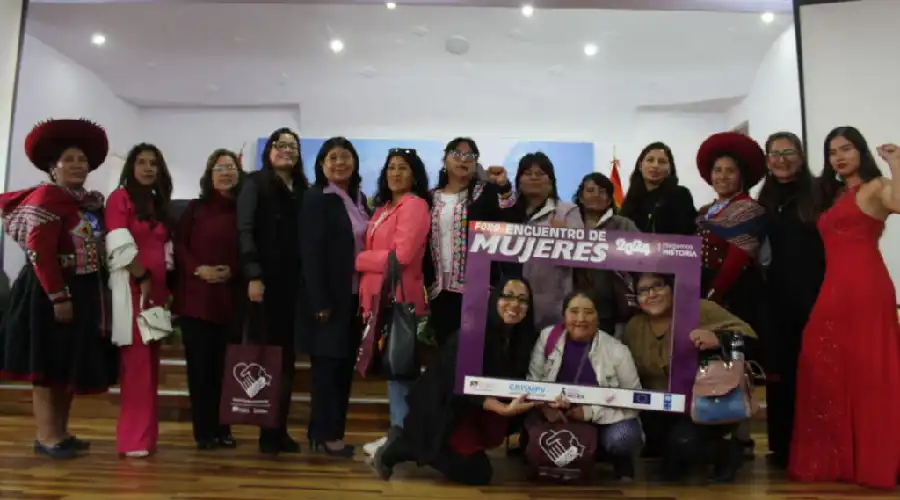
Every March 8, International Women’s Day is solemnly commemorated, and in Cusco this date is experienced with an enriching mix of deep reflection, genuine tribute and transformative action, naturally integrating into the March Festivals calendar. Various social, academic and cultural organizations organize specialized activities such as thematic fairs, academic talks, awareness marches and ceremonies recognizing outstanding women of the region.
This commemoration is central to the March Festivals as it effectively highlights the historical struggle for gender equality, but also celebrates and exalts the immeasurable richness of the Andean woman as an authentic bearer of culture, ancestral spirituality and collective transformative strength within the context of the March Festivals.
Temptation Sunday
Temptation Sunday, celebrated this year on March 10 (a movable date in the liturgical calendar), is an integral part of Christian Lent and harmoniously integrates into the March Festivals. In Cusco, this date takes on a special and unique dimension by syncretically blending with ancestral Andean spiritual practices and particular forms of communal religious experience.
Local parishes organize special masses for spiritual preparation, communal confessions and solemn processions that characterize this stage of the March Festivals. Simultaneously, in various rural communities, traditional purification rituals with Andean medicinal plants, ceremonial blooming baths and sacred offerings to Pachamama are carried out, creating a unique cultural fusion between colonial Catholicism and ancestral spirituality.
This festivity is considered a key moment of personal introspection, spiritual preparation and cosmic balance, both in the Christian liturgical calendar and the traditional Andean agricultural calendar. For this fundamental reason, Temptation Sunday occupies a special and privileged place in the heart of the March Festivals, representing the cultural synthesis that characterizes Cusco’s celebrations.
Ccatcca Carnival
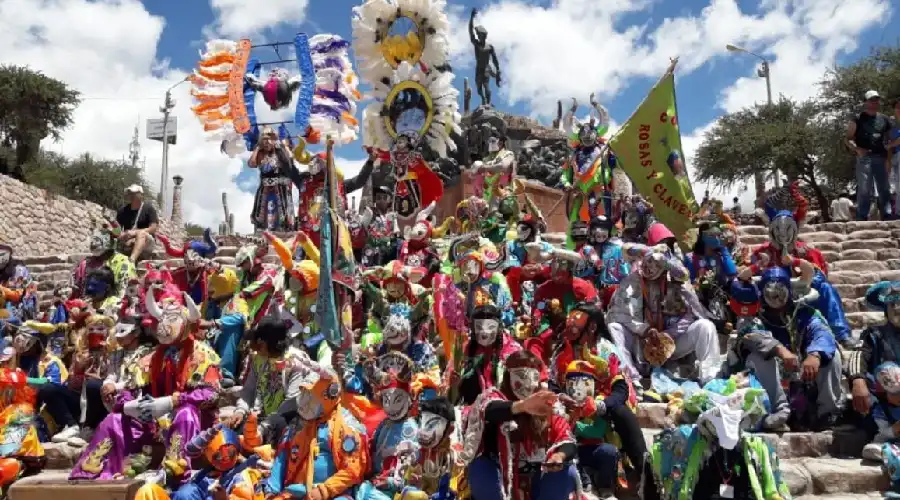
On March 15, the spectacular Ccatcca Carnival takes place, one of the most emblematic and representative celebrations of southern Cusco, specifically in the province of Quispicanchi, establishing itself as an essential event in the March Festivals. With a vibrant mix of folk dances, traditional foods, ceremonial yunzas and authentic communal expressions, this carnival has become a prominent reference of experiential and cultural tourism.
Community participation is as massive as it is warm and welcoming, making this carnival one of the happiest and most authentic celebrations of the annual calendar. Within the context of the March Festivals, this date exemplarily represents traditional rural spirit, the incomparable beauty of Cusco folklore and the community’s collective transformative energy, positioning the Ccatcca Carnival as a cultural jewel of the March Festivals.
Autumn Equinox
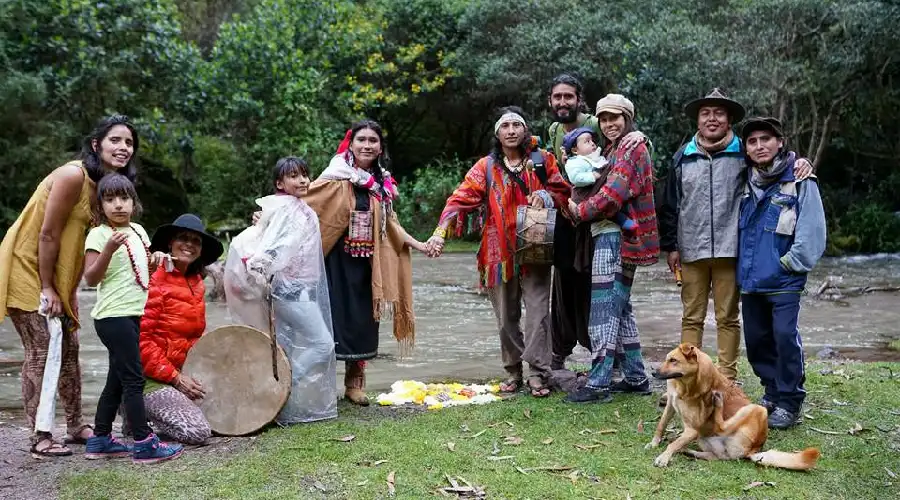
On March 20, the astronomical phenomenon of the Autumn Equinox occurs, an extraordinary celestial event where day and night are exactly the same length, naturally integrating into the spiritual calendar of the March Festivals. For ancestral Andean peoples, this cosmic event does not go unnoticed as it is an integral part of the traditional agricultural calendar and the communal spiritual system.
Although not officially a traditional festivity, this astronomical event has deservedly earned a significant space in the March Festivals for its profound cosmic symbolism, ancestral connection to universal balance and powerful message of energetic renewal. The Autumn Equinox within the March Festivals represents the perfect moment of balance between opposing and complementary forces.
Palm Sunday
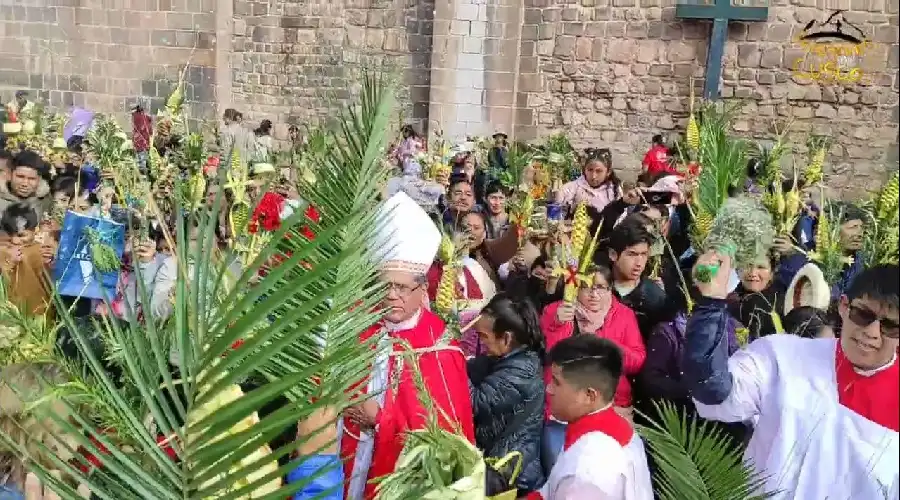
Palm Sunday, celebrated this year on March 24, marks the official start of Holy Week and is one of the most important and significant religious celebrations in Cusco, magnificently closing the cycle of the March Festivals. Thousands of devoted faithful gather en masse in historic churches carrying palm, olive or wildflower branches to be ceremonially blessed during this culmination of the March Festivals.
Additionally, this date is also considered the symbolic closure of rural carnivals and the summer agricultural cycle, thus carrying a double and significant spiritual weight. Within the comprehensive context of the March Festivals, Palm Sunday represents a fundamental transition towards spiritual reflection and inner renewal, perfectly culminating the extraordinary calendar of the March Festivals in Cusco.