


November Festivals in Cusco: Tradition, Memory and Living Culture
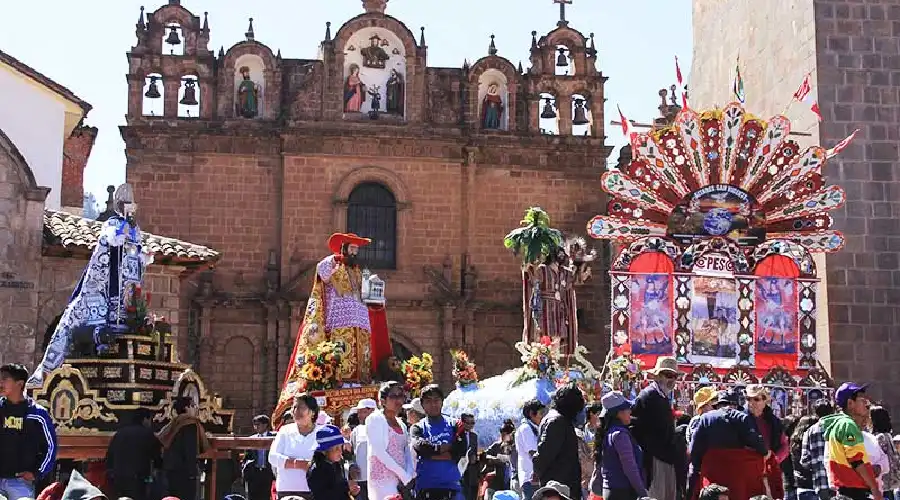
The November Festivals in Cusco are a profound expression of the Andean people’s relationship with life, death, and transcendence. This month stands out for its religious and cultural celebrations that combine solemnity with vibrant folklore. From All Saints’ Day to the Feast of Saint Andrew, November is a time for introspection, gratitude, remembrance, and community gathering.
During the November Festivals, the streets are filled with the aromas of traditional breads, fresh flowers, spiritual music, and songs that honor the ancestors. Families gather in cemeteries, churches, and plazas, renewing their connection with those who have passed and reinforcing the identity that unites them as a community. Throughout the month, the activities combine Andean customs, Catholicism, female entrepreneurship, and festivities that bring every corner of Cusco to life.
All Saints’ Day
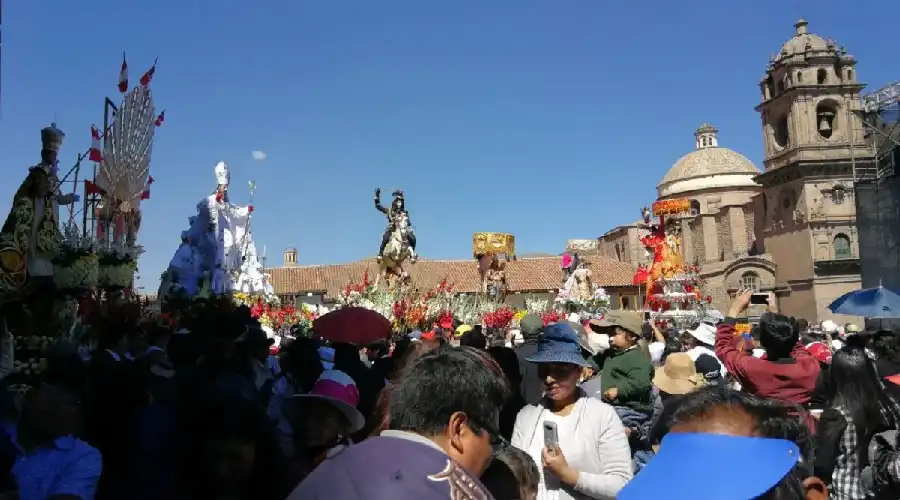
On November 1st, All Saints’ Day is celebrated, one of the most important religious festivities in the liturgical calendar. In Cusco, this date is experienced with serene yet profound spirituality. Families create altars dedicated to all saints, both known and unknown, decorated with candles, incense, flowers, and symbolically shaped breads like the traditional t’antawawas.
Churches hold solemn masses, and cemeteries begin to fill with visitors coming to honor protective saints and their own loved ones. The fusion of Catholicism and Andean worldview makes this date a sacred moment where death is not seen as the end but as a step towards spiritual life. This day marks the official start of the November Festivals with a message of hope and renewal.
All Souls’ Day
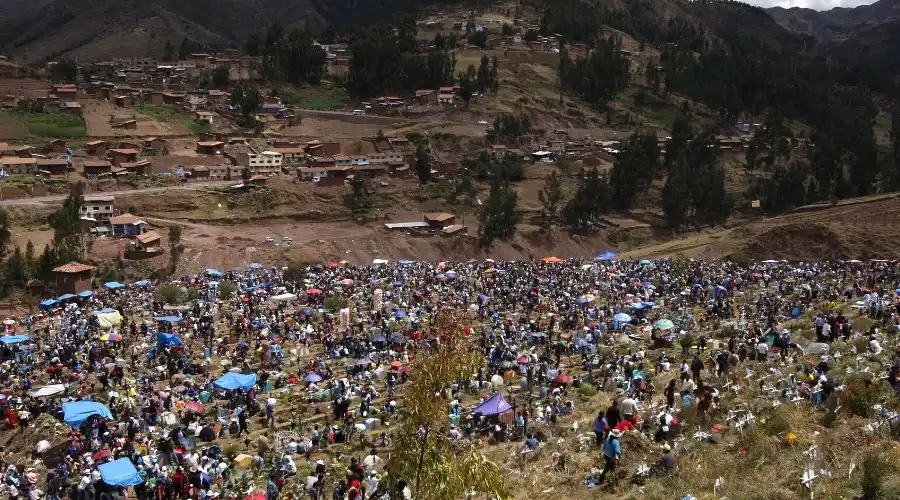
On November 2nd, All Souls’ Day is one of the most heartfelt dates within the November Festivals. Cusco’s cemeteries transform into spaces for family gatherings. Graves are adorned with native flowers, breads shaped like dolls and little horses, fruits, candles, and the favorite foods of the deceased. Traditional music fills the air, creating a blend of nostalgia and celebration.
This day becomes a true bridge between generations. Parents, children, and grandparents share anecdotes, memories, and prayers. Offering tables (apaykuy) prepared at home or in the cemetery include chicha, coca, corn, and sweets, all with ritual significance. In many rural communities, souls are welcomed with dances, songs, and all-night vigils. All Souls’ Day reinforces the value of memory and eternal love, pillars of the November Festivals.
Feast of Saint Martin de Porres
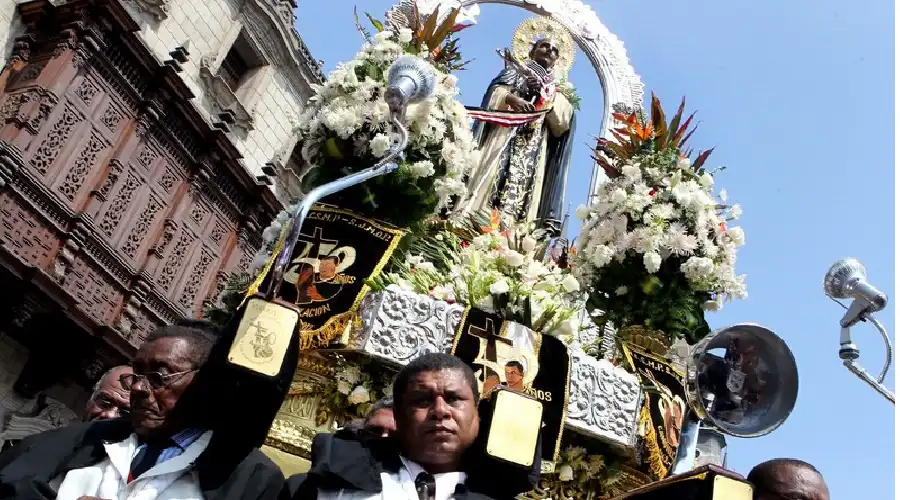
On November 5th, homage is paid to Saint Martin de Porres, patron of social justice, humility, and brotherhood. In Cusco, his figure is venerated by religious communities, hospitals, schools, and parishes that organize masses, theatrical plays, and charitable campaigns. His example inspires acts of helping others, especially the most vulnerable.
In various areas of Cusco, free health fairs, food distributions, clothing drives, and cleaning campaigns are held. Schools recreate his story through dramatizations and murals, promoting respect, solidarity, and inclusion. This festivity is an opportunity to reaffirm essential values such as compassion and selfless service. Within the November Festivals calendar, Saint Martin occupies a place that transcends the religious and becomes a civic and moral example.
Feast of the Lord of the Earthquakes (movable)
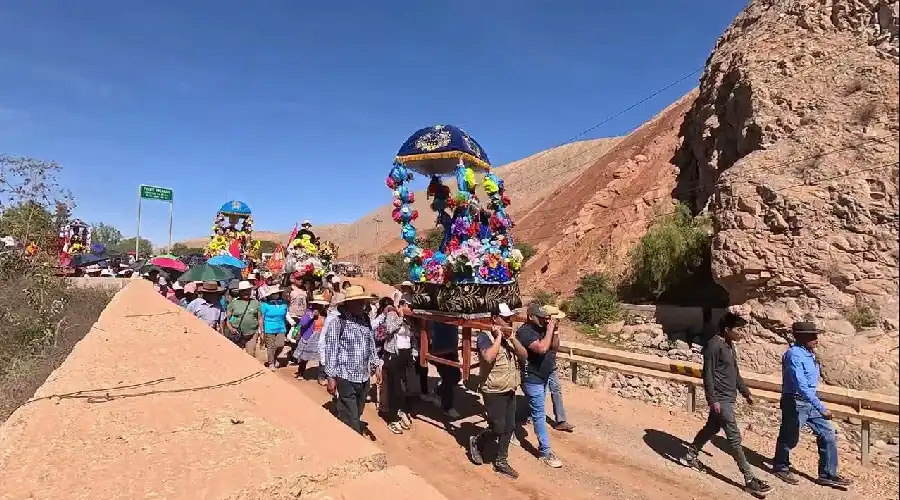
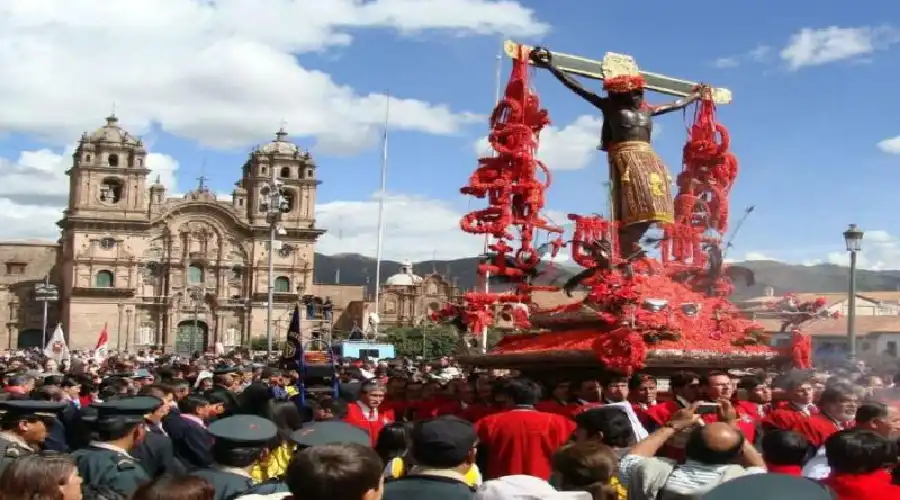
Although traditionally celebrated during Holy Week, in some high-Andean communities of Cusco, the Feast of the Lord of the Earthquakes is also held in November as a sign of unwavering faith in the “Taytacha.” In these local versions, the image of the protective Christ is taken in procession through the streets, especially in areas affected by earthquakes or extreme weather events.
During the procession, the faithful scatter red flowers, pray fervently, and place offerings on improvised altars. This manifestation reaffirms the Andean people’s faith in divine protection against the forces of nature. It is a living expression of religious syncretism and a tradition kept alive by the spiritual strength of communities that maintain the November Festivals as a continuous act of faith.
Saint Cecilia’s Day – Patroness of Musicians
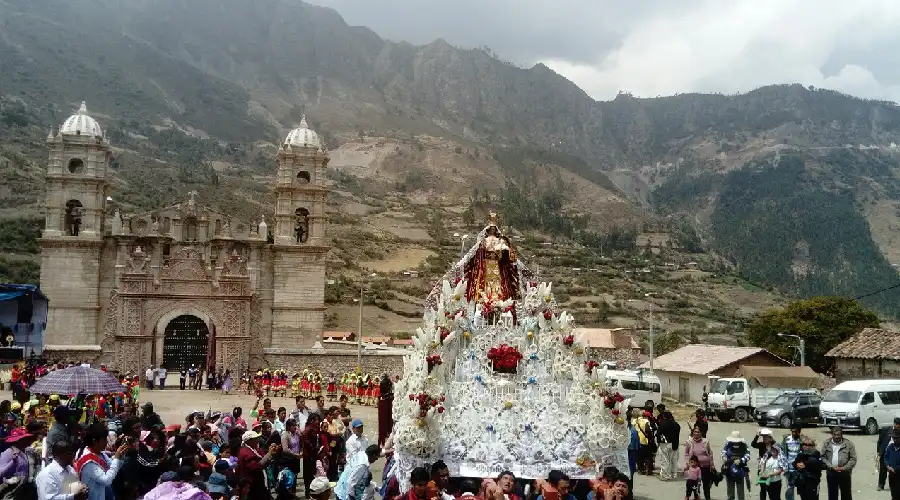
On November 22nd, Saint Cecilia’s Day is celebrated, a festivity that, while not massive, carries strong symbolic weight in Cusco. Various symphonic bands, folk groups, and music academies organize serenades, concerts, and parades in honor of the saint in plazas like San Francisco or local cultural spaces. This celebration honors musical art as a living heritage of the Cusqueñan people.
Educational institutions and cultural centers also pay tribute to both self-taught and academic musicians, recognizing their contribution to the region’s sonic identity. Special masses are held with sacred and Andean music performances. Young talents, popular musicians, and elders receive awards for their musical trajectory. This date promotes the appreciation of art, cultural memory, and the festive spirit that characterizes Cusco in every musical note.
Saint Andrew the Apostle
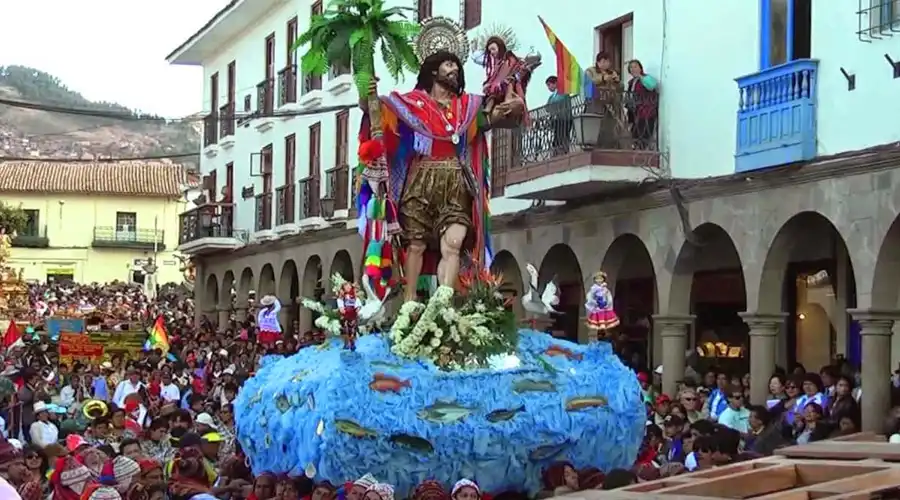
On November 24th, Saint Andrew the Apostle is celebrated, a festivity of great devotion in various rural communities of Cusco. Considered the patron of fishermen and a symbol of absolute dedication, Saint Andrew is remembered for his evangelizing mission and his loyalty to Christ until martyrdom.
The celebrations focus on community masses, processions through village streets, and traditional activities such as local fairs and bonfires. Although more modest than other festivities, this day is a key part of the November Festivals as it strengthens faith and everyday spirituality in the most remote villages of the region.
Feast of Saint Andrew
On November 30th, the Feast of Saint Andrew is held in a more festive and participatory version. This celebration includes dances, culinary contests, festive masses, sports events, and recreational activities organized by neighborhoods and municipalities. Parades bring Cusco’s rich folklore to life in the streets.
Community leaders named Andrew or those who have contributed to the development of their community are also recognized. It is a day full of music, color, and tradition that closes the November Festivals with a note of hope, social unity, and cultural affirmation. The legacy of Saint Andrew is lived through faith but also in the joyful and participatory spirit of the Cusqueñan people.