






Tipón Archaeological Park: A Masterpiece of the Inca Legacy
Tipón Archaeological Park is much more than a group of ruins: it is a living testimony of the ingenuity and worldview of the Inca Empire. Located about 25 kilometers southeast of the city of Cusco, in the heart of the South Valley, Tipón dazzles with its perfect harmony between engineering, spirituality, and the Andean landscape. Unlike other more crowded tourist sites, visitors here can enjoy a serene, immersive, and deeply inspiring experience.
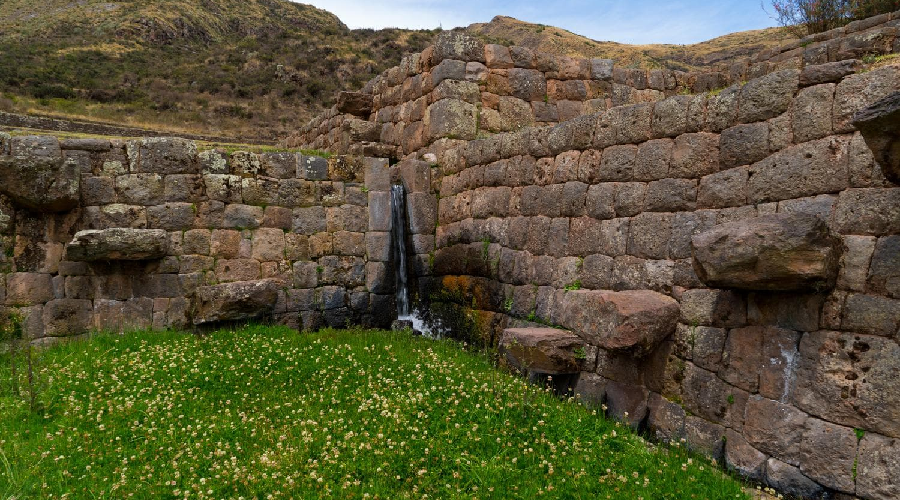
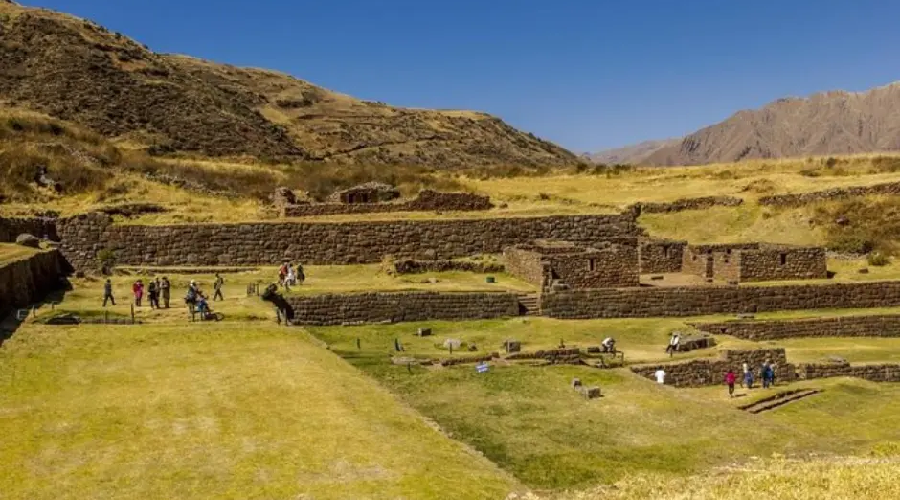
Tipón unfolds across meticulously designed agricultural terraces, through which crystal-clear water still flows—channeled by stone aqueducts built centuries ago. These masterpieces of Inca hydraulic engineering not only served to irrigate crops but also had ceremonial functions, as water was considered sacred within the Andean worldview. This site is one of the few places where you can witness the ritual and practical use of water in perfect symbiosis.
Where Is Tipón Archaeological Park Located?
The Tipón Archaeological Park is located just 25 km southeast of Cusco city, in the district of Oropesa. It is part of the South Valley route, which includes other archaeological sites such as Pikillacta and Andahuaylillas. To get there, you can take an organized tour or public transportation from downtown Cusco. Admission is included in the General Tourist Ticket.
History of Tipón Archaeological Park
Tipón was a significant agricultural, ceremonial, and residential center during the Inca Empire. Some chroniclers suggest it was built by Inca Wiracocha as a royal garden. Its strategic location and the quality of its structures show it was a place for the Inca elite and ritual activities related to water and fertility.
Before the Incas, the area was inhabited by cultures like the Killke, who likely initiated the first agricultural systems here. The Incas later improved and expanded these works, transforming Tipón into a masterful example of urban planning.
Architecture and Hydraulic Engineering
The Tipón Archaeological Park is internationally known for its complex irrigation system. Water flows from natural springs through stone-carved channels, precisely distributed to ceremonial fountains, agricultural terraces, and reservoirs.
- Stone channels: Designed with precise slopes to ensure continuous flow without waste.
- Ritual fountains: Areas where water served as a spiritual connection with Pachamama.
- Agricultural terraces: Used to cultivate native crops and as Inca agricultural laboratories.
- Stairways and walls: Built from perfectly fitted stone blocks without mortar.
Cultural and Spiritual Importance
In the Andean worldview, water is a sacred element. That’s why the Tipón Archaeological Park also functioned as a ritual center honoring water, the land, and the apus (sacred mountains). The balance between functionality and spirituality is one of the greatest achievements of Inca design here.
Thanks to its location in the South Valley and the excellent preservation of its structures, Tipón is considered by many as a living laboratory for studying ancestral knowledge on water management and sustainable agriculture.
Visitor Experience
Visiting the Tipón Archaeological Park is a unique experience. The tour includes gentle walks through green terraces, crystal-clear water channels, and breathtaking panoramic views. Many visitors report feeling a deep peace and spiritual energy while exploring the site.
- Photography: The landscape and architecture are perfect for capturing unforgettable images.
- Observation: Ideal for those interested in Inca engineering, architecture, or history.
- Connection: A perfect place for meditation or simply reconnecting with nature.
Tips for Visiting
- Visit in the morning for the best lighting and fewer tourists.
- Wear comfortable shoes and bring water, as the visit lasts between 1 to 2 hours.
- Hire a local guide to better understand the symbolism behind each structure.
- Do not drink or touch the water in the channels—it’s still functional.
- Include Tipón in your South Valley Tour for a complete experience.
Conclusion
The Tipón Archaeological Park is a living example of the ingenuity, spirituality, and harmony with nature that characterized the Incas. Beyond its canals and terraces, it is a cultural legacy that invites us to reflect on water use, sustainability, and ancestral heritage.
If you are planning a trip to Cusco, be sure to include this magnificent site in your itinerary. Tipón is not just a place to visit—it’s a place to learn, feel, and connect with the heart of Andean tradition.