





Traditional Festivals in Cusco: Annual Festival Calendar
Cusco is a land of history, devotion, and living culture. Throughout the year, its communities celebrate numerous festivals that blend ancestral traditions, Catholic beliefs, and unique artistic expressions. This Annual Calendar will help you discover the most important celebrations month by month, offering the perfect opportunity to immerse yourself in the soul of the Andean people and plan your trip at the ideal time.
These festivities reflect a population that has preserved its roots, transforming each month into an act of faith, art, and togetherness. The Cusco Annual Calendar is full of chances to connect with the vibrant culture of the deep Andes.
January
Epiphany (Bajada de Reyes)
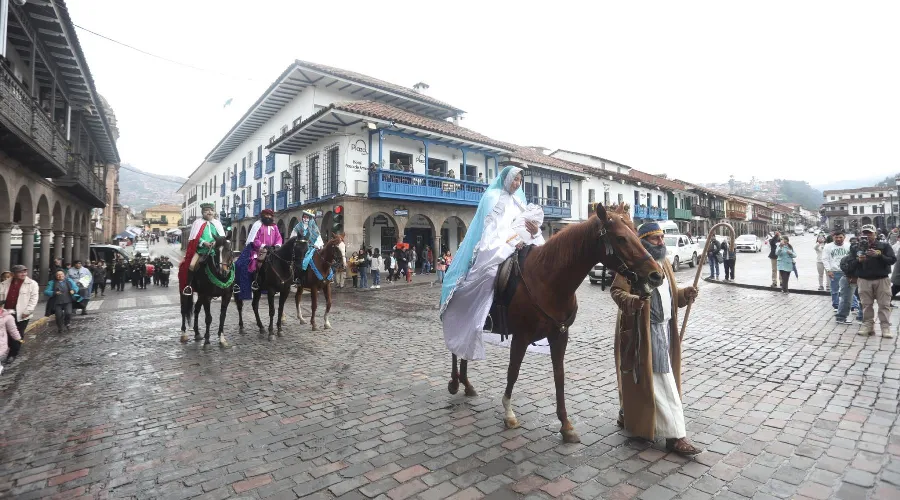
A celebration marking the end of the Christmas season. In Cusco parishes and districts like San Jerónimo, nativity scenes are taken down with dances and masses. Traditional dishes such as roast pork and tamales are prepared. This date highlights the continued festive spirit at the start of the Annual Calendar.
February
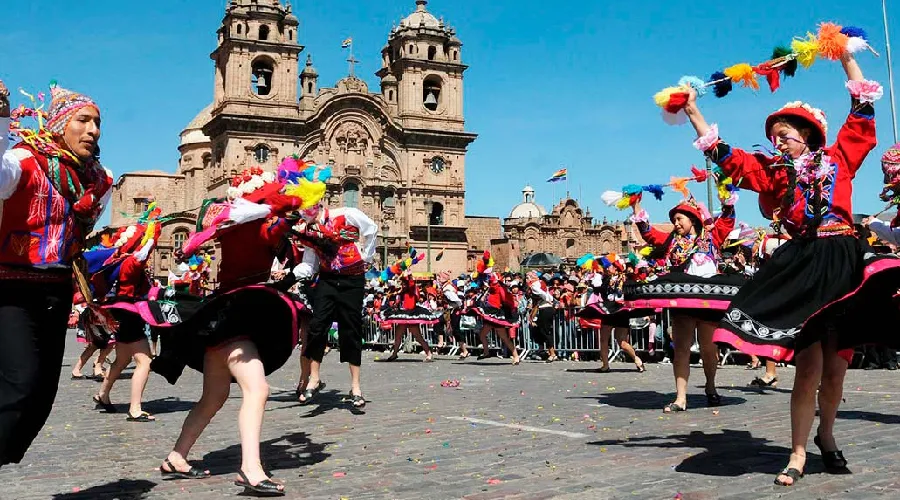
Andean Carnivals
Parades, yunzas, dances, and water games fill neighborhoods and communities with joy. In places like Calca and Anta, carnivals become true popular celebrations full of music, color, and community meals. The traditional costumes reflect the identity of each region. This festivity emphasizes fertility and the harvest in the Annual Calendar.
March
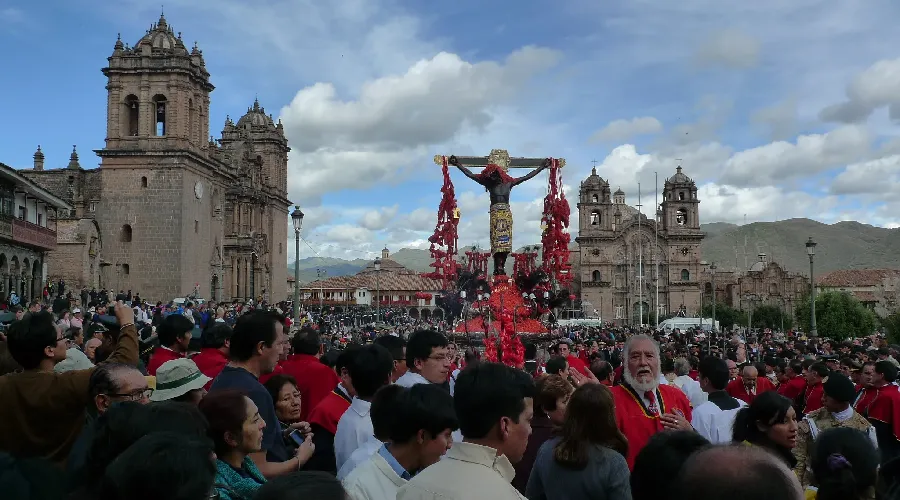
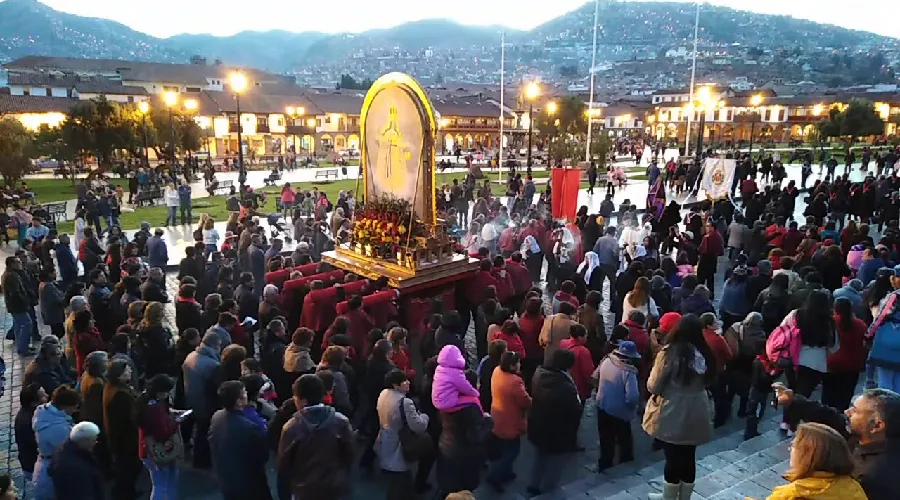
Lord of the Earthquakes (Señor de los Temblores)
Celebrated on Holy Monday, this devotion originated after the 1650 earthquake. Thousands of faithful participate in the procession of the «Taytacha de los Temblores,» Cusco’s patron. The image leaves the Cathedral and circles the Plaza de Armas under a shower of ñucchu flowers, symbols of faith and gratitude. One of the most solemn events in the city’s Annual Calendar.
April
Holy Week
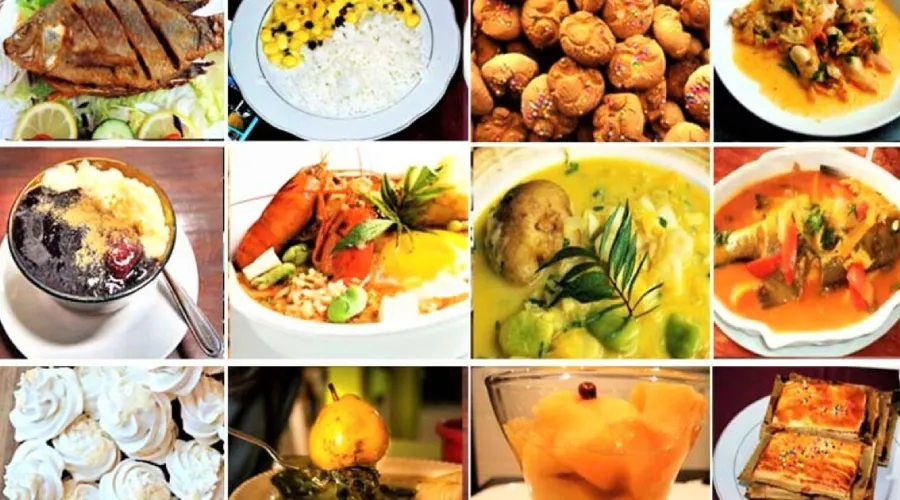
Days of religious reflection filled with masses, processions, and traditional meals. On Holy Thursday, it’s customary to prepare 12 dishes, including fish soup, torrejas, and empanadas. The Passion and Crucifixion are reenacted in communities like San Sebastián and Santiago. This celebration attracts both locals and visitors.
May
Cruz Velacuy
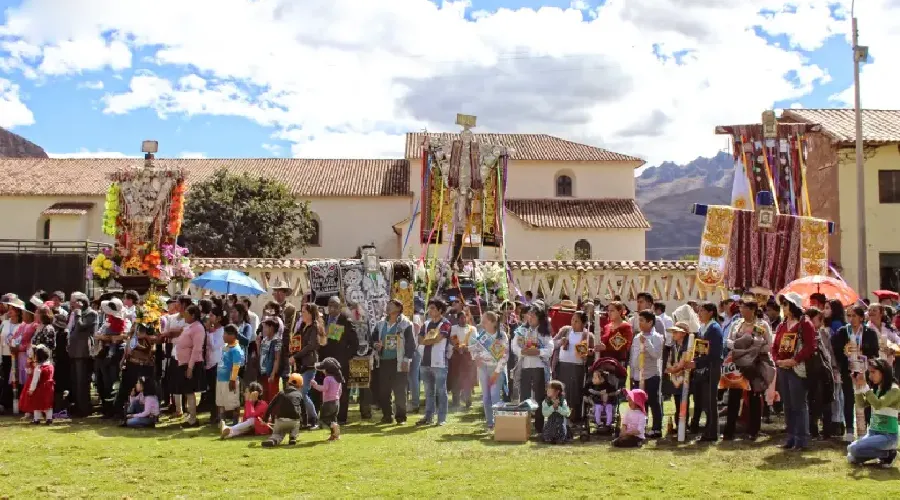
Celebrated on May 2nd and 3rd, crosses on hills and homes are adorned with flowers, candles, and ribbons, accompanied by music and dancing. This expression of popular religiosity connects deeply with the Apus, or sacred mountains. Families offer prayers and rituals to ensure good fortune and harvests. A key event in the Andean Annual Calendar.
June
Corpus Christi
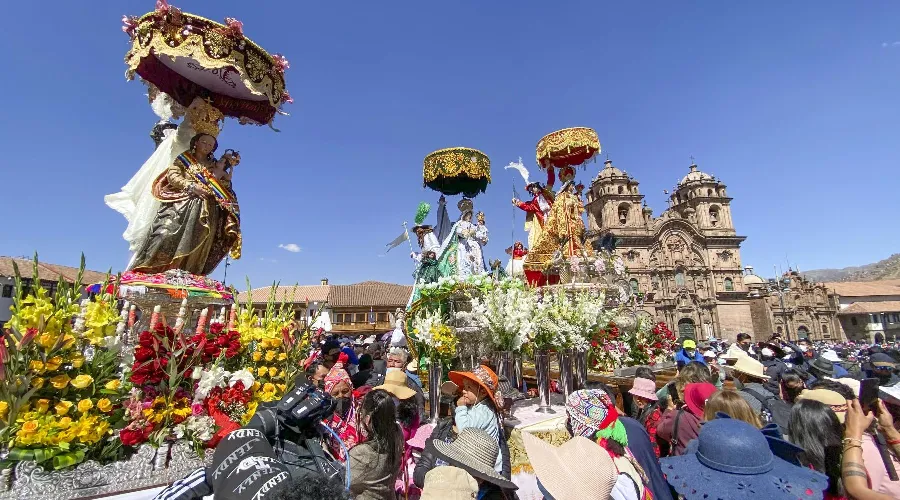
A solemn procession with 15 saints and virgins from colonial churches to Cusco Cathedral. Accompanied by music and large crowds, this event also features the traditional dish chiriuchu, made with guinea pig, chicken, torreja, and seaweed.
Inti Raymi (June 24)
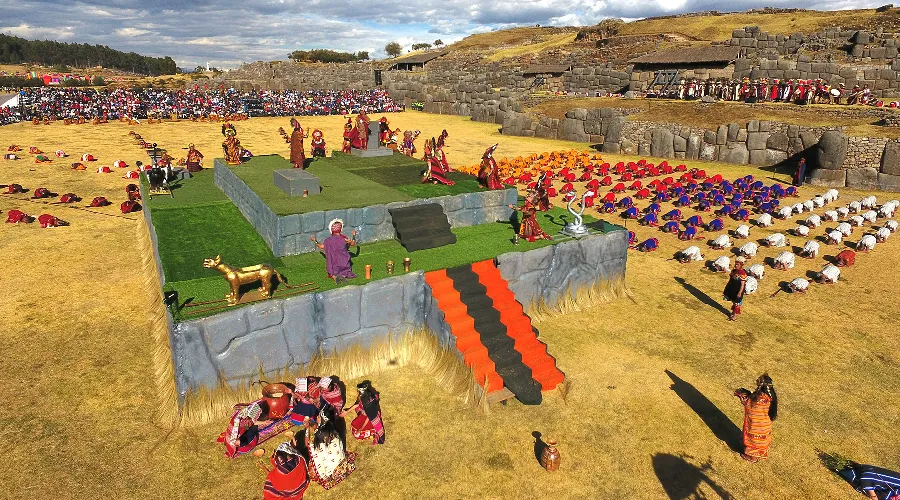
The Festival of the Sun revives Inca tradition with reenactments at Qoricancha, the Plaza de Armas, and Sacsayhuamán. One of Peru’s largest cultural performances, attracting thousands of tourists annually.
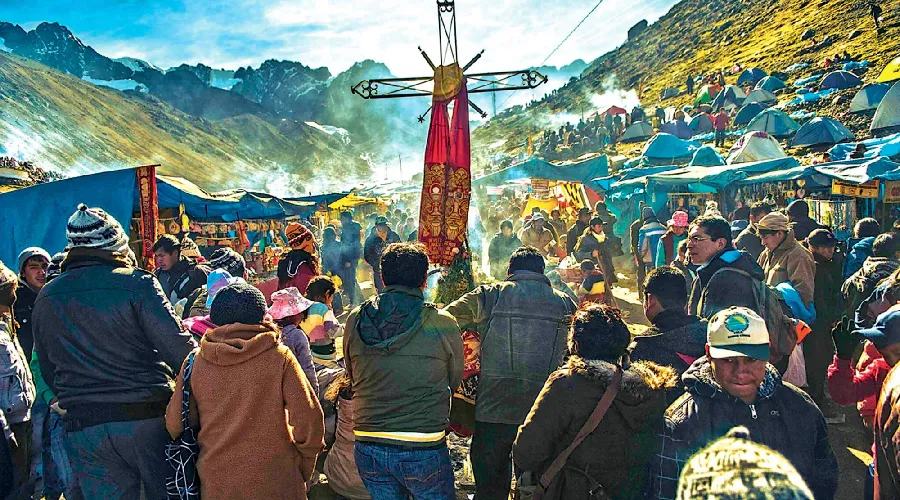
Qoyllur Rit’i
A pilgrimage to the Sinakara glacier where thousands of devotees walk in honor of the Lord of Qoyllur Rit’i. The celebration includes dances, masses, and ancestral rituals that reflect Andean spirituality.
July
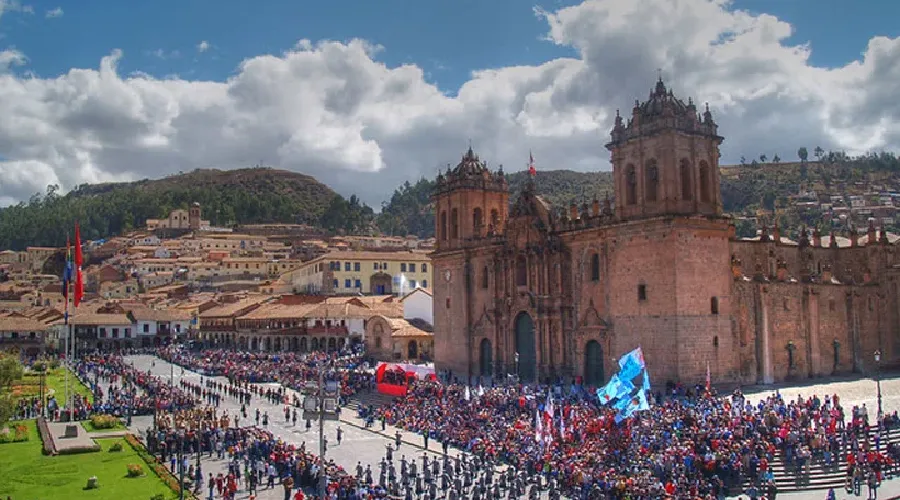
Peruvian Independence Day
Commemorating Peru’s independence with parades, cultural performances, and food fairs. Cities come alive with Creole music, national flags, and official ceremonies. A great time to connect with local and national pride.
August
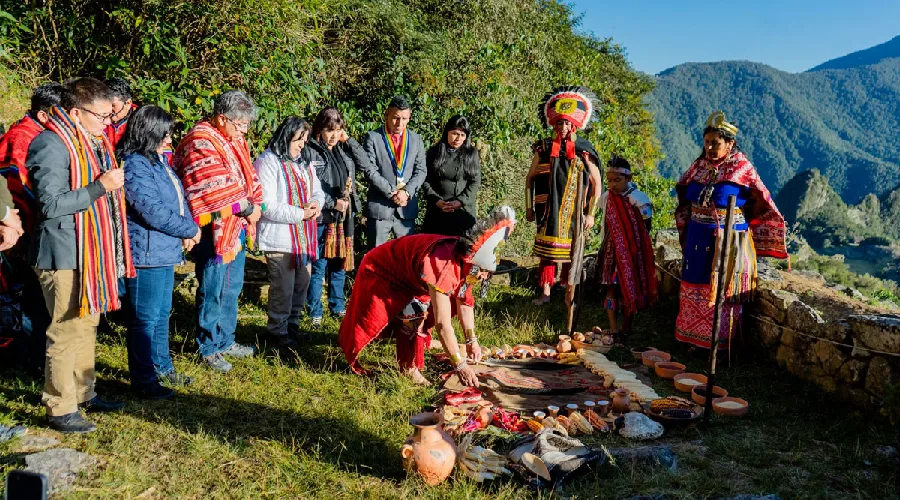
Offering to Pachamama
An ancestral ritual held on August 1st. Offerings to Mother Earth include coca leaves, chicha, sweets, corn, and wool. Ceremonies are conducted in plazas, fields, and temples like Qoricancha. A spiritual act to renew harmony between humans and nature.
September
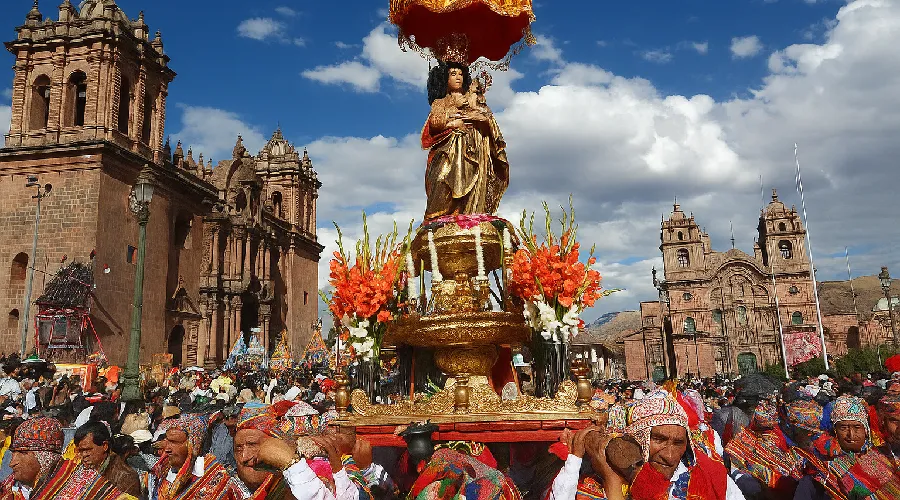
Virgin of the Nativity
Religious celebration in districts such as Chinchero, Huaro, and Lamay. Includes masses, processions, and dances like Qhapaq Qolla and Contradanza. Represents spiritual renewal and is one of the most colorful in the Cusco Annual Calendar.
October
Lord of Huanca
Thousands of pilgrims walk from San Jerónimo to the sanctuary in San Salvador. One of the largest pilgrimages in the southern Andes, symbolizing faith, sacrifice, and fulfilled promises. Accompanied by music, dance, and typical food.
November
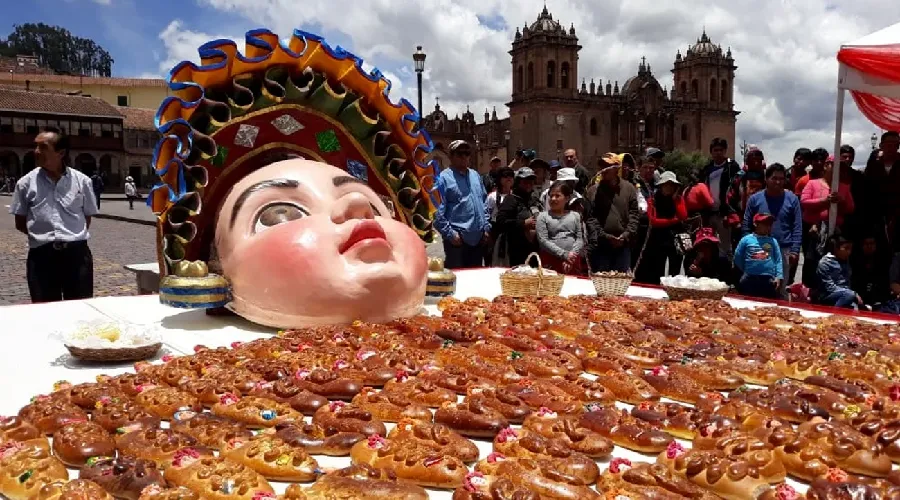
All Saints’ Day and Day of the Dead
On November 1st and 2nd, the dead are honored with cemetery visits, traditional wawa breads, tamales, prayers, and music. Families believe the spirits return to visit, so they prepare altars with photos, candles, and the deceased’s favorite foods.
December
Andean Christmas and Santurantikuy
Held on December 24th in Cusco’s Plaza de Armas. Artisans from across the region sell figurines, nativity scenes, miniatures, and religious decorations. A union of faith and popular art where visitors can take home unique souvenirs.
00
Conclusion
The Annual Festival Calendar of traditional celebrations in Cusco is not just a list of dates—it is a window into the living soul of the Andes. Each celebration connects visitors with history, faith, community, and cultural identity. Planning your trip with this calendar is the best way to experience authentic Cusco—not just seen, but felt and celebrated.