






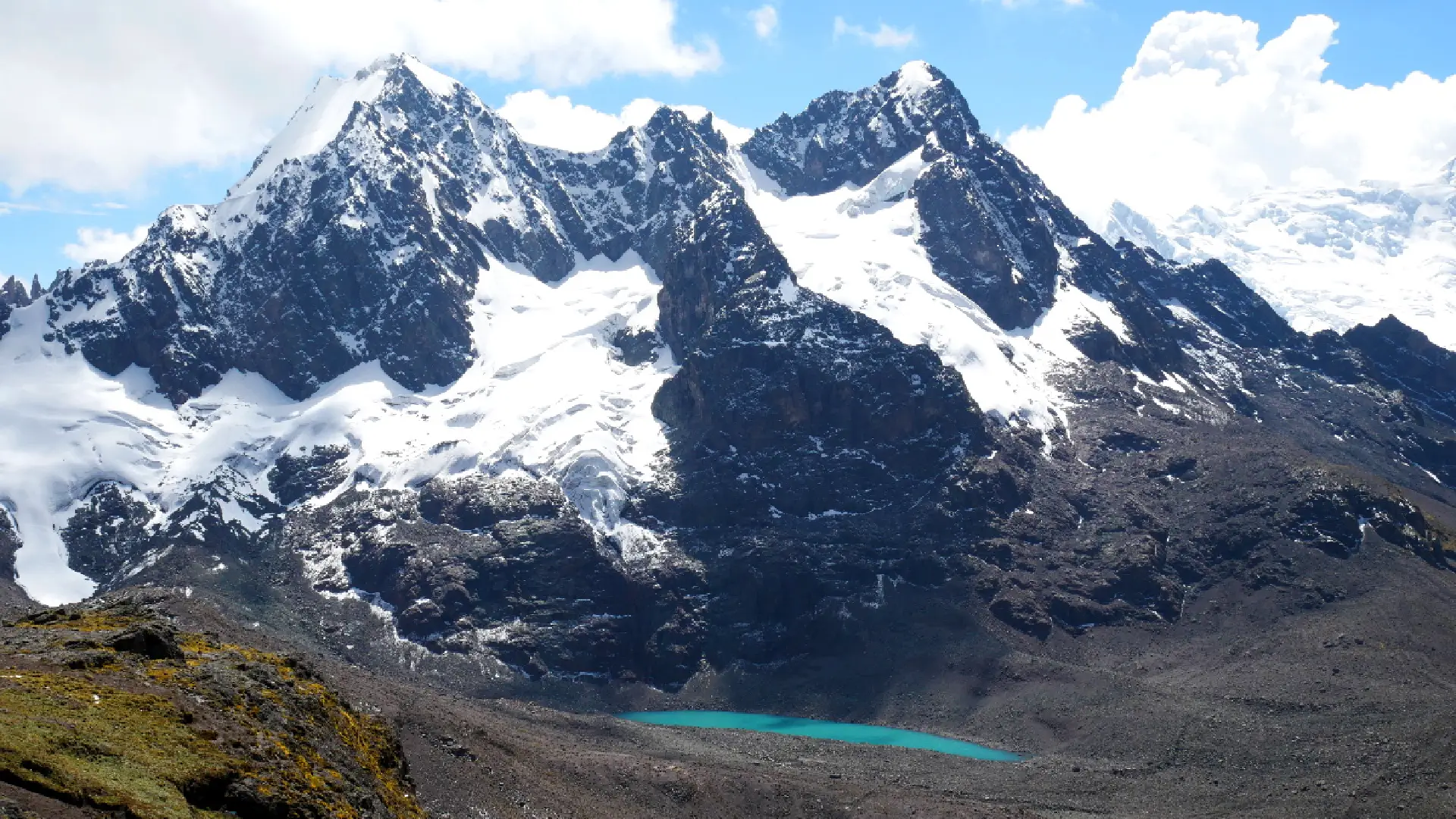
If you’re someone who thinks the Inca Trail or Salkantay are already too crowded and you’re looking for a truly wild, remote, and challenging mountain adventure, the Ausangate Trek is the holy grail for hikers in Peru. This route is not your average tourist walk; it’s an epic hike that circles the imposing Ausangate snow-capped peak (6,384 masl), the most sacred and revered “Apu” or mountain spirit in the Cusco Andes.
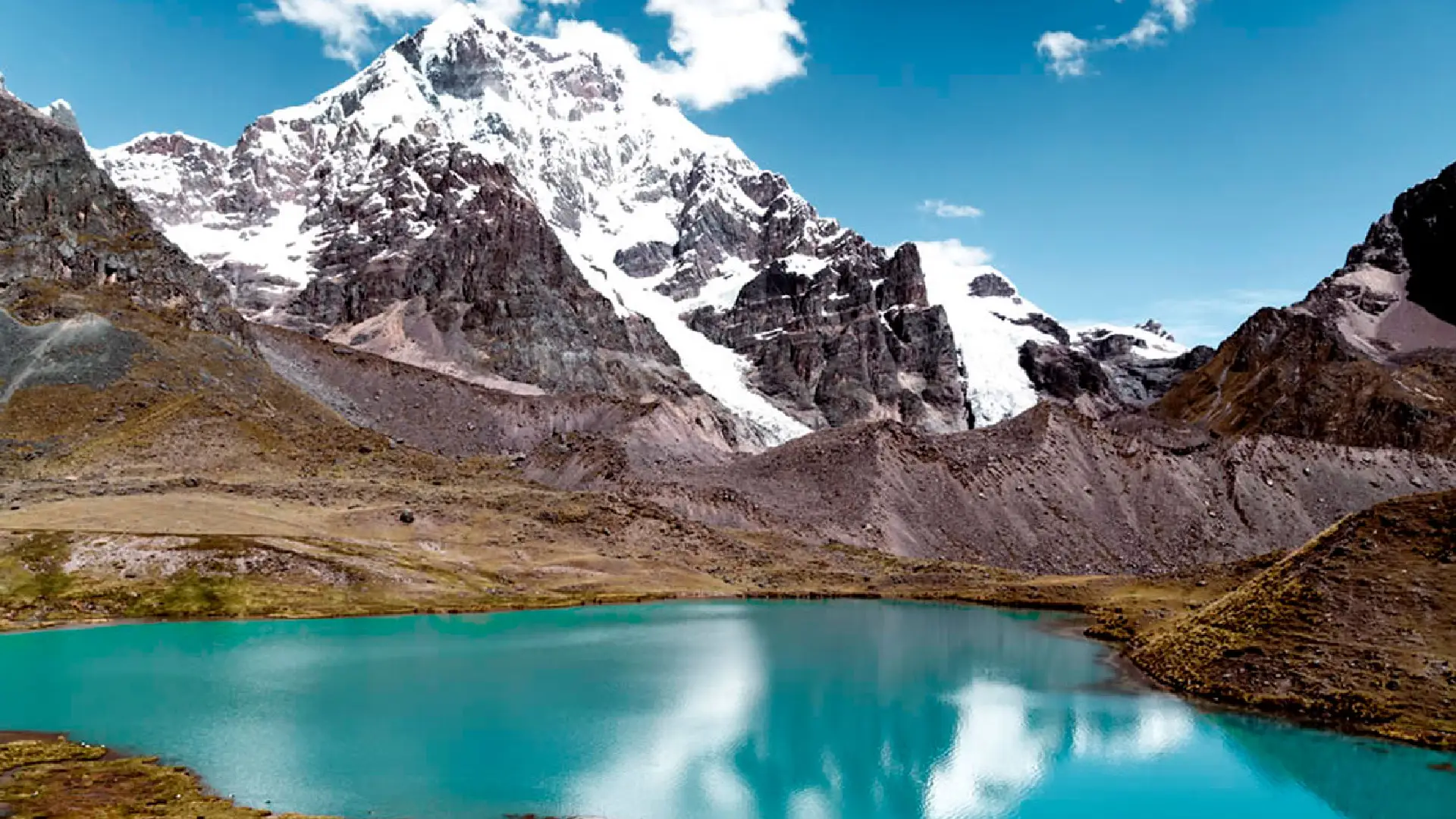
Along the way, you’ll come across landscapes that look like they’re from another planet: lakes glowing turquoise and emerald green, herds of alpacas and llamas grazing freely, hanging glaciers, and mountain passes that top 5,000 meters in altitude.
At Haha Trips we know a route of this magnitude demands flawless preparation and the utmost respect for altitude. That’s why we’ve put together this complete guide, updated for 2026, with everything you need to know before lacing up your boots and heading into the heart of the Vilcanota mountain range.
What will you learn in this Ausangate Trek guide?
- The Route and the Map: What the classic circuit of this Andean trek looks like.
- Difficulty and Altitude: The real physical challenge of hiking above 4,500 meters.
- The Best Time to Go: How to avoid extreme cold and unexpected snowfall.
- Logistics and Safety: Why you shouldn’t underestimate this route, and how to do it safely.
The Classic Route: The Sacred Apu Circuit
The traditional Ausangate Trek is a closed circuit of roughly 70 kilometers, usually completed over 5 days of intense hiking. Unlike other treks that end at Machu Picchu, this route is a deep immersion into the high Andean mountains, starting and ending in the community of Tinqui (about 3 hours by car from Cusco).
What will you see along the days of hiking?
- Colorful Lakes (Pucacocha and Sibinacocha): The circuit is known for its glacial lakes in shades of green, turquoise, and deep blue. The reflections of the Ausangate snow peak on these waters at dawn are simply otherworldly.
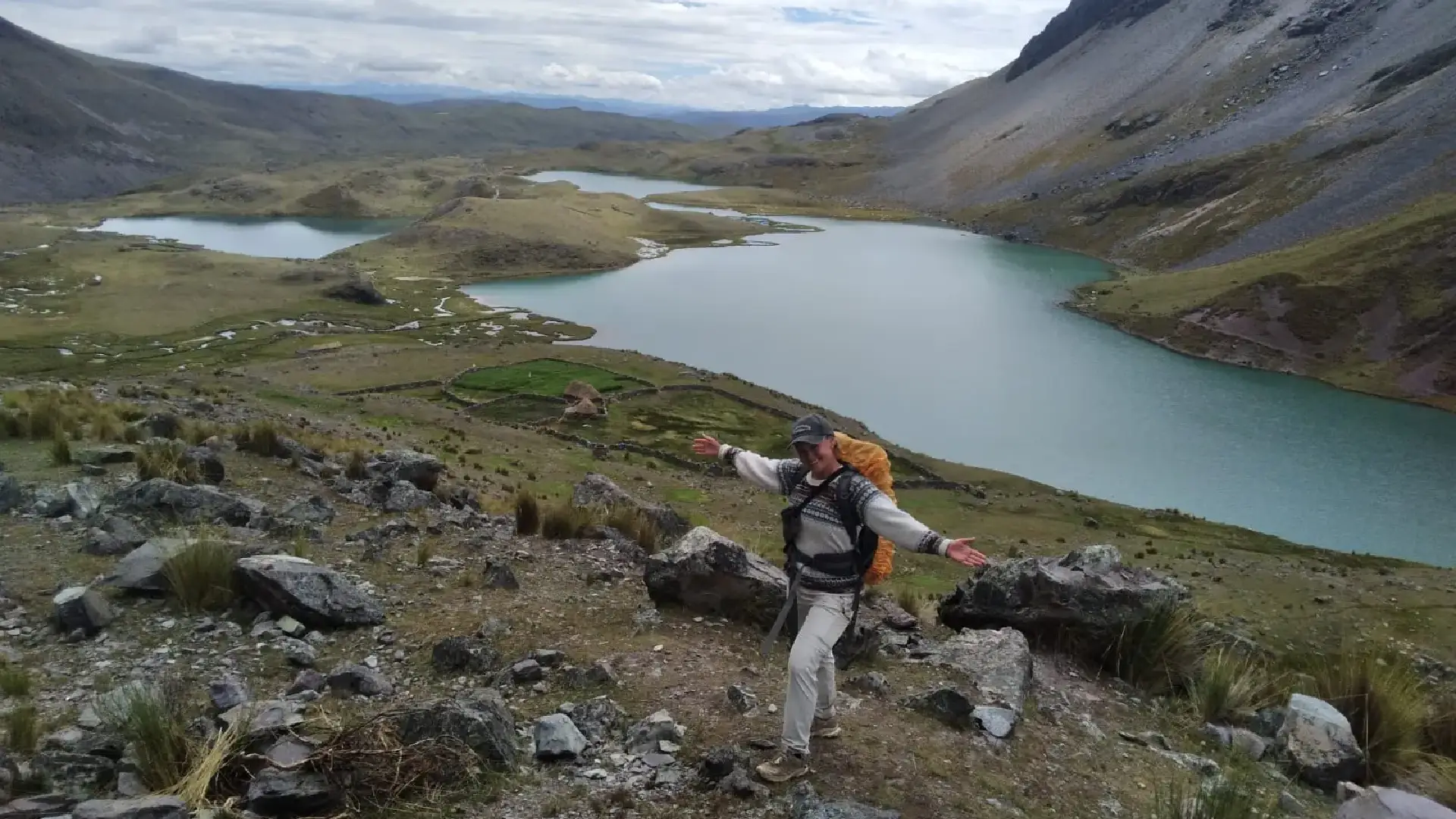
- Herding Communities: You’ll walk through areas where local families still preserve Incan textile traditions and make their living herding llamas and alpacas. It’s a beautiful and deeply authentic cultural encounter.
- The pass by Vinicunca (Rainbow Mountain): Many of the modern variations of the Ausangate Trek connect on the fourth day to the famous Rainbow Mountain, letting you reach it on foot before the buses full of day-tour tourists arrive.
The Altitude Factor: Where will you be hiking?
This is the highest-altitude route in Cusco. Practically the entire trek takes place above 4,000 meters above sea level, and you’ll cross several extremely high mountain passes:
- Arapa Pass: Approximately 4,750 masl.
- Apuchata Pass: Around 4,900 masl.
- Palomani Pass: The highest and most challenging point of the classic circuit, at an impressive 5,200 masl. Hiking here requires perfect prior acclimatization.
Pata Tip: Because of the extreme altitude and the isolation of the route, the Ausangate Trek has no lodges or hostels along the way. At Haha Trips we’ve designed this experience with fully equipped high-mountain campsites, professional thermal tents, and trail cooks who prepare carb-rich meals to keep your energy at its peak.
Physical Difficulty and Climate: How demanding is the Ausangate Trek?
We won’t sugarcoat it: among all the popular trails in the Cusco region, the Ausangate Trek is rated as high to very high difficulty. It is not a recommended route for beginners or people who don’t exercise regularly.
The Difficulty: A constant challenge for your lungs
The main challenge of this hike isn’t the technical steepness of the trail, but the cumulative altitude:
- Altitude fatigue: Spending most of your time above 4,500 masl, your body burns much more energy just to breathe and stay warm. Headaches, quick fatigue, and shortness of breath are common if you haven’t acclimatized properly.
- Constant elevation change: Climbing and descending passes at or above 5,000 meters on consecutive days requires excellent cardiovascular endurance and leg strength.
The Climate: Below-freezing temperatures in the high mountains
Being so close to the glaciers of the Vilcanota mountain range, the weather around Ausangate is extremely cold and unpredictable:
- During the day: The Andean sun can be intense and burn your skin quickly, with temperatures reaching between 12°C and 15°C.
- At night: At the campsites (especially between May and August), the temperature drops sharply below 0°C, easily reaching -5°C or even -10°C in the highest areas. Frost and unexpected snowfall are a real possibility year-round.
Pata Safety Tip: Don’t start the Ausangate Trek without spending at least 3 to 4 days acclimatizing in Cusco or the Sacred Valley. Doing shorter hikes beforehand, like the Ausangate 7 Lakes tour, is the perfect training to get your body used to the pressure and altitude before tackling the full circuit.
3. Essential Gear and Logistics: What to bring to Ausangate?
For a high-mountain route this extreme, “pack light but well-equipped” is a golden rule. A mistake in your gear can mean spending entire nights in freezing cold or suffering unbearable blisters from day one.
What you can’t leave without in your backpack:
- Layered clothing (Onion-layer system): A thermal base layer (merino wool is ideal), a mid layer of fleece to retain heat, and a waterproof, windproof outer shell (Gore-Tex or similar).
- High-mountain sleeping bag: You need a sleeping bag rated for extreme temperatures of at least -10°C. If you travel with Haha Trips, we provide professional high-end down sleeping bags.
- Waterproof trekking boots: Already broken in and molded to your feet. The terrain has damp stretches, mud, and loose rocks.
- Trekking poles: Completely essential to protect your knees on the steep descents from 5,200 meters.
Can you do the Ausangate Trek without an agency?
While it’s technically possible for extremely experienced mountaineers with their own GPS and rescue equipment, going alone is not recommended at all.
- Total isolation: There is no phone signal along 95% of the route, and the local communities speak mainly Quechua. In the event of a medical emergency or severe altitude sickness, logistical evacuation is extremely complex without a support team.
- Navigation: The weather can change within minutes. A sudden snowfall can completely erase the trail, making it very easy to get lost.
Experience the mystical adventure of Ausangate safely with Haha Trips
Circling the sacred Apu Ausangate is one of the greatest physical and spiritual feats you can accomplish in the Peruvian Andes. So that your only concern is enjoying the glacier and turquoise-lake scenery, at Haha Trips we take care of all the technical and safety support:
- Complete safety equipment: We carry emergency oxygen tanks and specialized high-altitude first-aid kits on all our trips.
- Pack and emergency horses: We work with local horsemen (arrieros) and horses that carry your heavy gear, plus we keep an emergency horse ready in case the physical effort becomes too much on the high passes.
- Gourmet mountain meals: Hot, nutritious, and delicious menus prepared on the spot by professional trail chefs to restore all your energy.
Ready to take on the heights of the sacred Apu in 2026? Leave the extreme logistics in the hands of local experts.