Practical Tips to Make the Most of Choquequirao
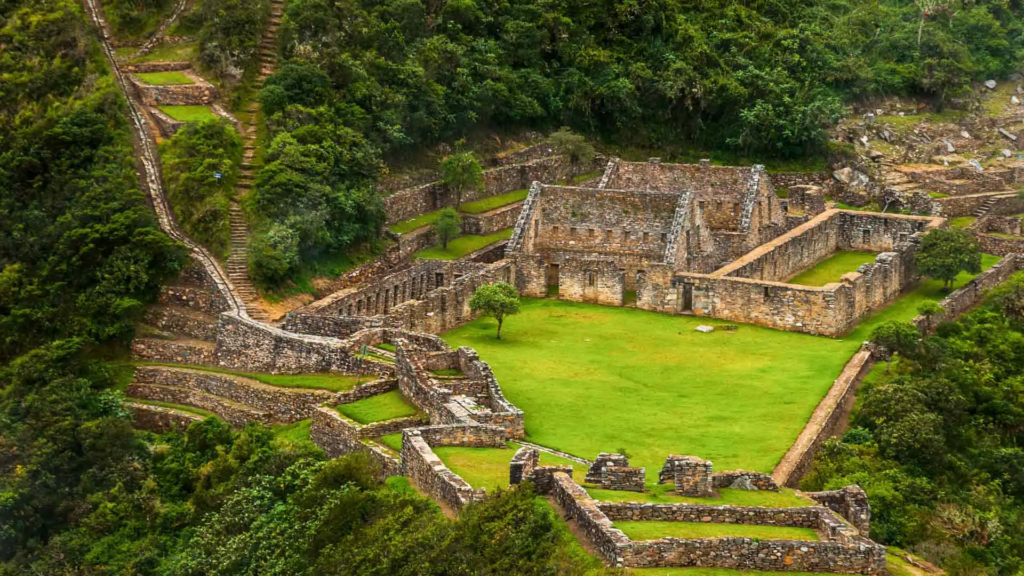
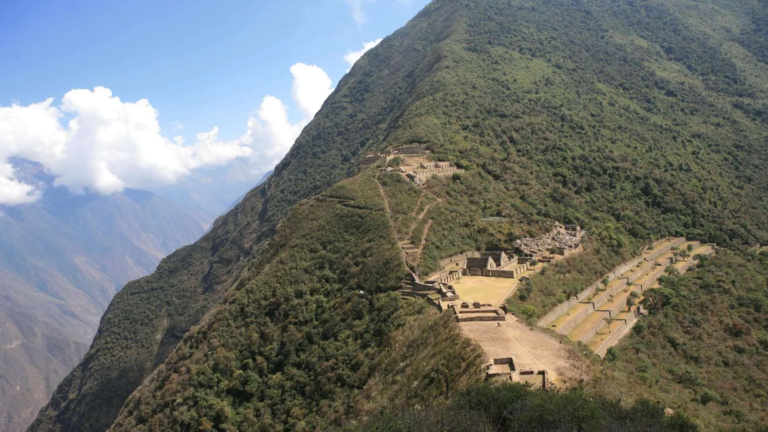
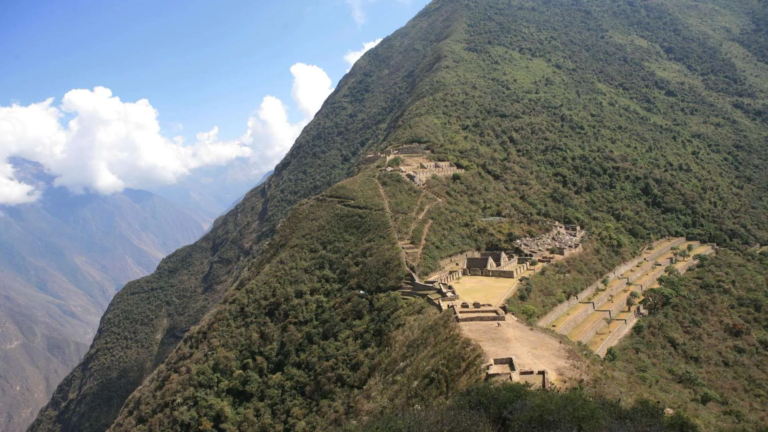
Choquequirao, known as the sister city of Machu Picchu, is one of the most surprising and least crowded archaeological destinations in Peru. Reachable only on foot and set among canyons and mountains, it is an experience reserved for determined, adventurous travelers.
Exploring Choquequirao is not just a sightseeing activity; it is a complete experience that combines history, nature, culture and personal challenge. To make the most of every second of this unique trip, it is essential to be well prepared, both physically and logistically.
In this article you will find practical tips organized into key categories: from preparing beforehand to cultural respect, along with safety, photography and caring for the environment. Follow this guide and get ready to experience Choquequirao the way it deserves: with intensity, respect and admiration.
Complete Guide to Visiting Choquequirao →
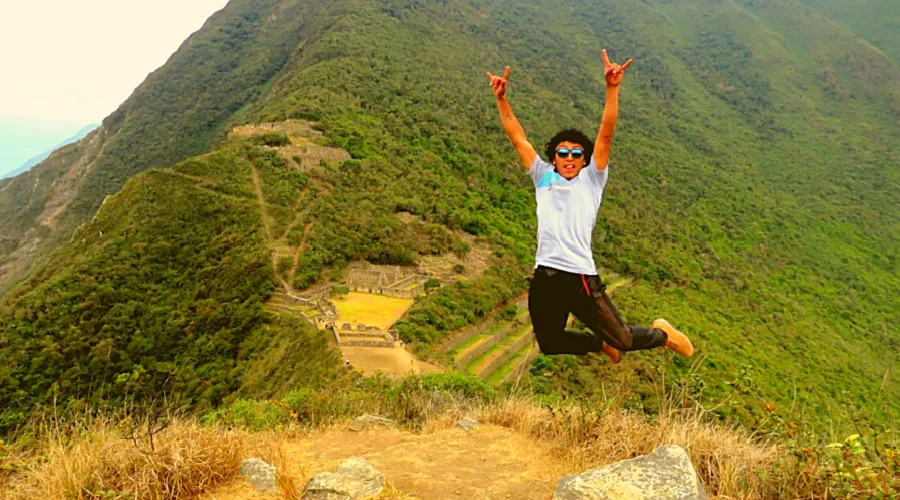
Physical and Mental Preparation
Getting to Choquequirao involves demanding hikes with steep ascents and descents, as well as changeable weather. That is why proper physical preparation is essential.
- Train ahead of time: Do long hikes (10 to 15 km) with a backpack, preferably in mountainous or hilly areas.
- Build your endurance: The trek can last from 4 to 10 days depending on the route. Practice hiking several days in a row.
- Acclimatize first: Arrive in Cusco or Abancay at least two days early to adjust to the altitude.
- Mental preparation: Keep a positive attitude toward discomfort, fatigue and the unexpected. That is part of the charm, too.
Reaching Choquequirao is a personal achievement worth every drop of sweat. Good preparation ensures a more rewarding and safer experience.
Essential Gear
Traveling to Choquequirao requires functional, lightweight and durable gear. Every gram counts, and everything you bring should be useful.
- Trekking backpack: 40 to 50 liters, with lumbar support and adjustable straps.
- Footwear: Waterproof, broken-in hiking boots.
- Clothing: Several layers (base layer, insulating layer and windbreaker), durable pants and thermal underwear.
- Rain gear: Essential at any time of year.
- Warm hat, gloves and sunglasses: To protect yourself from both the cold and the Andean sun.
- Trekking poles: A huge help on descents, and they reduce the strain on your knees.
- Sleeping bag: Ideally rated down to -5°C (23°F).
- Headlamp: With spare batteries.
- Toiletry bag: Toothbrush, toilet paper, hand sanitizer, a small towel and sunscreen.
Choose quick-drying products and lightweight materials. If you travel with a tour operator, they may provide some of the equipment, such as tents or cooking utensils.
Food and Hydration
Food plays a key role during the Choquequirao trek. Keeping your energy at the right level is essential.
- Bring energy snacks: Granola bars, nuts, chocolate or dried fruit.
- Light, nutritious meals: If you cook for yourself, bring oatmeal, noodles, instant soups and precooked legumes.
- Stay hydrated: Drink water every 20 to 30 minutes. Carry a bottle or a hydration bladder (such as a Camelbak).
- Water purification: Purification tablets, portable filters or boiling.
Avoid alcoholic or caffeinated drinks during the hike. A well-fed, well-hydrated body responds better to the effort and the environment.
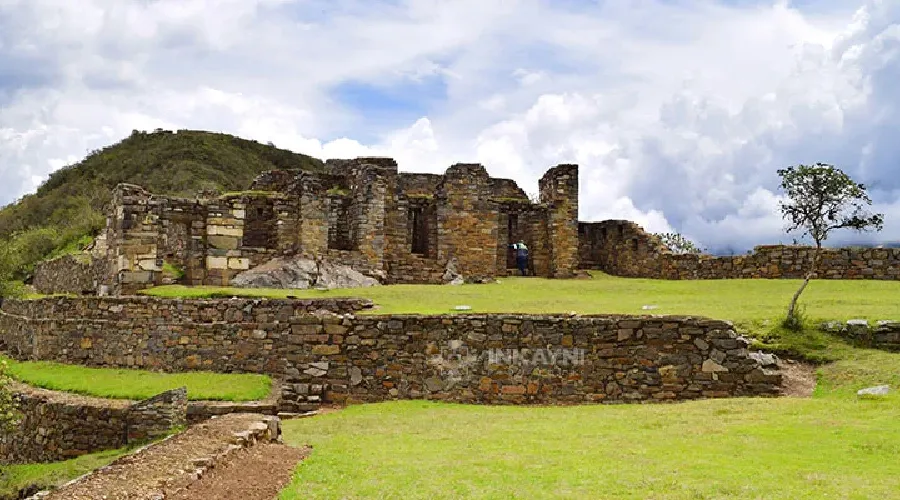
Weather Considerations
Choquequirao is reached on a route that climbs from about 1,500 meters at the Apurímac River to 3,050 meters at the citadel, which leads to drastic changes in temperature and weather conditions.
- Dry season (April to October): The best time to visit. Less rain, more stable trails, cold nights.
- Rainy season (November to March): Lusher vegetation, but slippery trails and lower visibility.
- Daytime temperature: Can exceed 25°C (77°F) in the lower areas.
- Nighttime temperature: Can drop below 0°C (32°F) in the higher areas.
Check the forecast before you leave and adapt your clothing and gear. Even in the dry season, a sudden downpour is possible.
Safety and First Aid
Although the hike to Choquequirao does not involve extreme risks, it does require caution and common sense.
- Basic first-aid kit: Include bandages, painkillers, anti-diarrheal medication, altitude pills, anti-chafing cream and adhesive bandages.
- Communication: There is no cell phone signal along most of the trail. Let your family know your route and estimated times.
- Avoid hiking alone: It is always better to go with someone, especially in less-traveled areas.
- Stay with the group: Keep others in sight and follow the overall pace.
- Stay away from cliffs and unstable areas: Some sections are very narrow.
Safety depends as much on the environment as on your own decisions. Listen to your body and do not overexert yourself.
Respect for Culture and Heritage
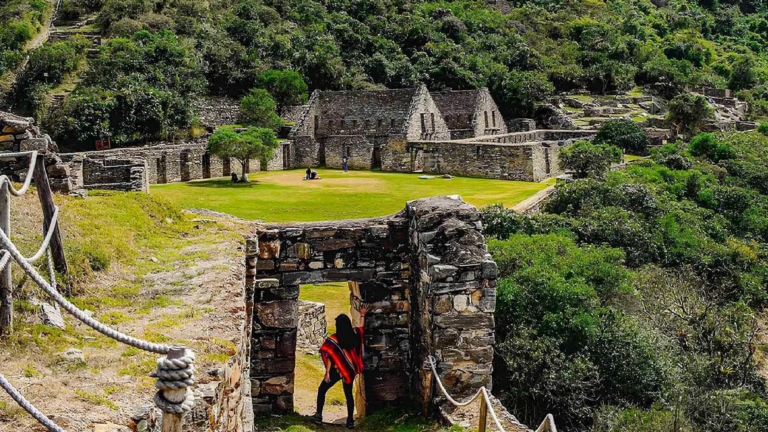
Choquequirao is not just a tourist attraction; it is a sacred site of Inca culture. Treat it with the respect it deserves.
- Do not climb on the walls: Avoid damaging the archaeological structures.
- Do not leave inscriptions: Scratching or marking the stones is prohibited.
- Respect local residents: Say hello, ask permission before taking photos and support community businesses.
- Listen to the guides: They pass on knowledge handed down orally for generations.
Every step you take in Choquequirao is an opportunity to honor the history of the Andes.
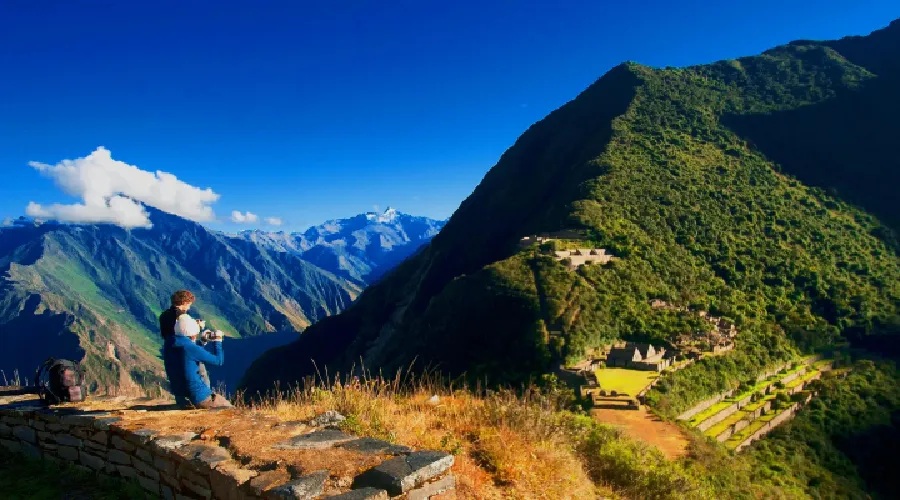
Caring for the Environment
The natural environment of Choquequirao is fragile and must be protected by every visitor.
- Leave no trash: Pack out everything you pack in. Even organic waste takes time to break down.
- Do not disturb the wildlife: Do not feed wild animals or try to get too close.
- Use portable toilets if you camp: Or dig a hole at least 50 meters from any water source.
- Do not use detergents in rivers or lakes: Use biodegradable products.
The best visitor is the one who passes through without leaving a trace.
Photography Tips
Photographing Choquequirao means capturing a place where time seems to have stood still.
- Golden hour: Take advantage of sunrise and sunset for better contrast.
- Wide-angle lens: Ideal for landscapes, terraces and archaeological complexes.
- Zoom or telephoto lens: Perfect for birds, llamas and architectural details.
- Lightweight tripod: Useful for night shots and panoramas.
- Batteries and memory cards: Bring spares. There is no electricity along most of the trail.
Beyond photos, do not forget to store moments in your memory: the sound of the wind, the light on the walls, the feeling of being in a sacred place.
Frequently Asked Questions About Choquequirao
- Do I need a ticket for Choquequirao? Yes, there is an entrance fee, paid at authorized points or directly at the entrance.
- Can I visit Choquequirao in a single day? No. You need at least 4 days to get there and back from Cachora or Huanipaca.
- Are there restrooms at the archaeological site? Yes, but they are basic. Bringing toilet paper is recommended.
- Is there internet access? No. It is the perfect opportunity to disconnect.
- Can I camp near the site? Yes. The Marampata area is ideal for setting up camp.
Conclusion
Visiting Choquequirao is both a privilege and a responsibility. This place, still hidden from the crowds, preserves an authenticity that makes it unique. Not only because of its ruins, but because of the journey it takes to reach them, the people who live around it, and the deep connection it creates with nature.