The Choquequirao Trek: What to Expect
Doing the Choquequirao trek is much more than hiking to an archaeological site. It is a transformative journey through towering mountains, deep canyons, Inca history and a solitude rarely found on other routes in Peru.
Choquequirao, known as the “sacred sibling of Machu Picchu,” lies far from conventional tourism, and that very remoteness is its greatest treasure. But it also means that anyone who wants to reach it must be prepared for a demanding, authentic and deeply enriching experience.
In this article we tell you what to expect from the Choquequirao trek, from the motivation behind it to the moments that will stay in your memory forever.
Complete Guide to Visiting Choquequirao →
Motivation and Traveler Profile
The Choquequirao trek attracts a different kind of traveler from those looking only for a photo or a short excursion. This trip is for people who:
- Seek a real connection with Andean nature.
- Are willing to take on long, difficult trails.
- Value authenticity over tourist comforts.
- Are drawn to history, the Inca legacy and hidden places.
You do not need to be a professional mountaineer, but you do need a resilient mindset, respect for the local culture and openness to personal growth.
Stages of the Choquequirao Trek
The classic trek to Choquequirao from Cachora (or from Huanipaca) is usually divided into several stages:
- Start in Cachora: The hike begins with an almost flat stretch to the Capuliyoc lookout, with views of the Apurímac Canyon.
- Descent to Chiquisca: This is where the real test begins, with a steep downhill stretch and hot weather.
- Playa Rosalina: The lowest point, beside the river. The heat can be intense, and the climb that follows is challenging.
- Climb to Marampata: The longest ascent, where many hikers stop to camp and acclimatize.
- Arrival at Choquequirao: Finally, about an hour past Marampata, you reach the archaeological complex.
Some travelers decide to stay an extra day exploring and head back the next day. Others continue on to Machu Picchu via longer routes.
Physical and Mental Challenges
The Choquequirao trek is known for being demanding. The main challenges you will face include:
- Extreme elevation changes: You descend more than 1,500 meters and then climb back up the same amount.
- Altitude: Although you do not reach the extreme heights of other Andean routes, the altitude can affect you if you are not acclimatized.
- Changing weather: Dry heat, sudden rain and cold nights are all part of the journey.
- Isolation: There are few services, and you will often hike in complete silence, with no signal or internet.
These factors make the trek an intense experience that tests both body and mind, and that also brings deep emotional rewards.
Landscapes and Nature Experiences
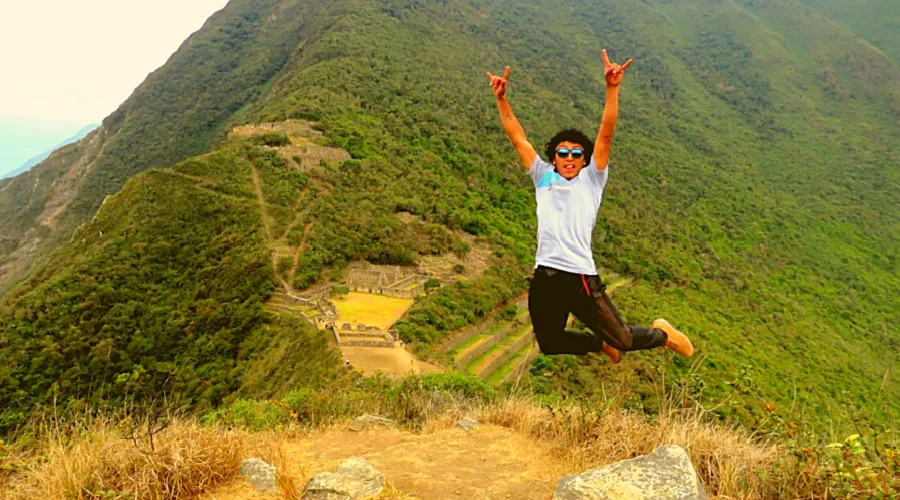
One of the greatest gifts of the Choquequirao trek is the natural beauty of its surroundings. Along the hike you will pass through:
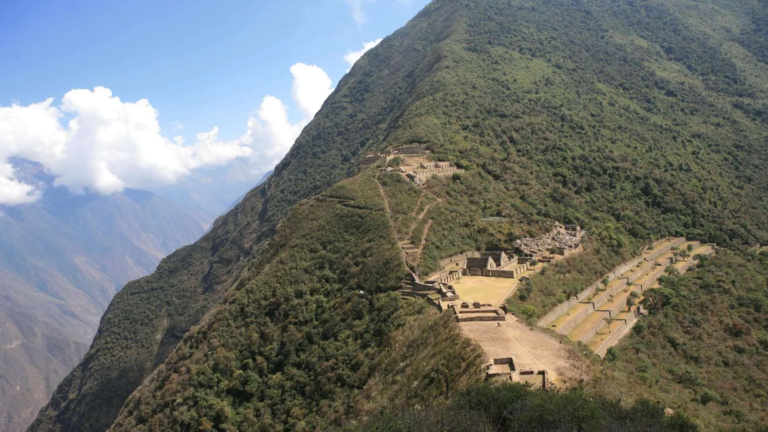
- The Apurímac Canyon: One of the deepest on the continent, with monumental views.
- Varied vegetation: From dry scrubland to high jungle with orchids, ferns and tropical birds.
- Natural lookouts: Places like Capuliyoc and Marampata offer postcard-worthy scenery.
- Wildlife encounters: Condors, Andean foxes and possibly the elusive spectacled bear.
Nature changes every day. Every bend reveals a new landscape. You do not need filters, just attentive eyes and respect for the environment.
Encountering Inca History
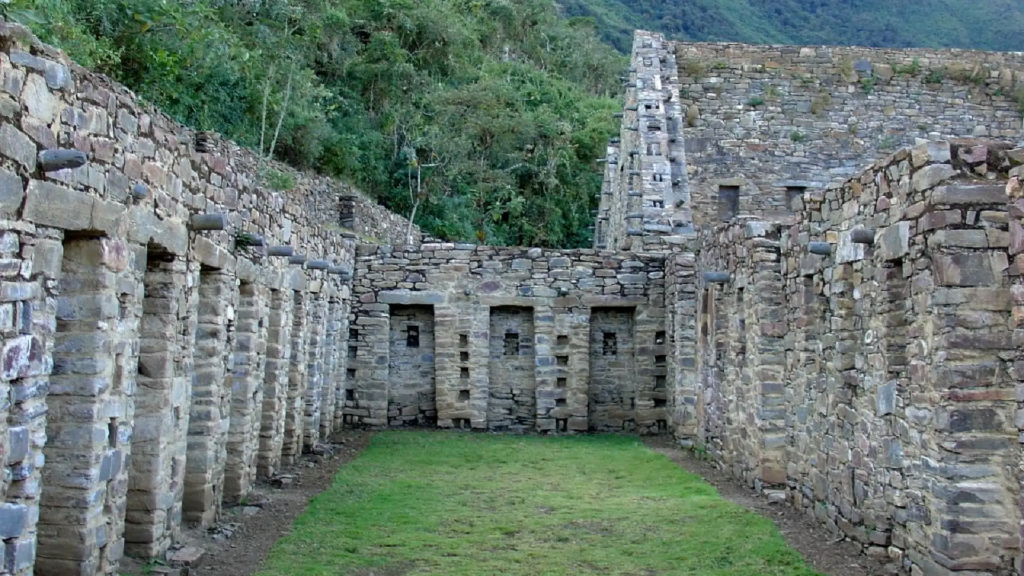
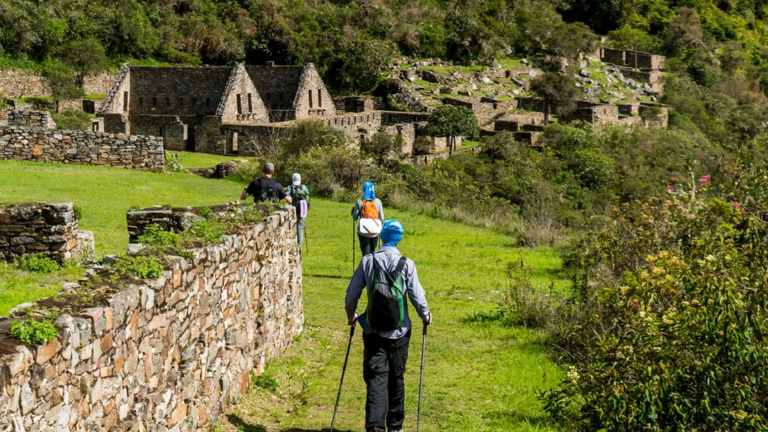
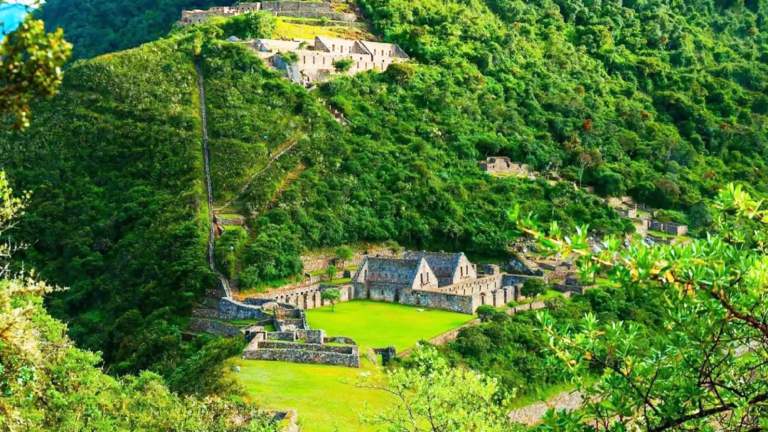
Reaching Choquequirao means arriving at an almost untouched Inca sanctuary. Unlike Machu Picchu, there are no large groups, no lines and no roped-off routes. Just you, the stones and the mystery.
At the complex you can explore:
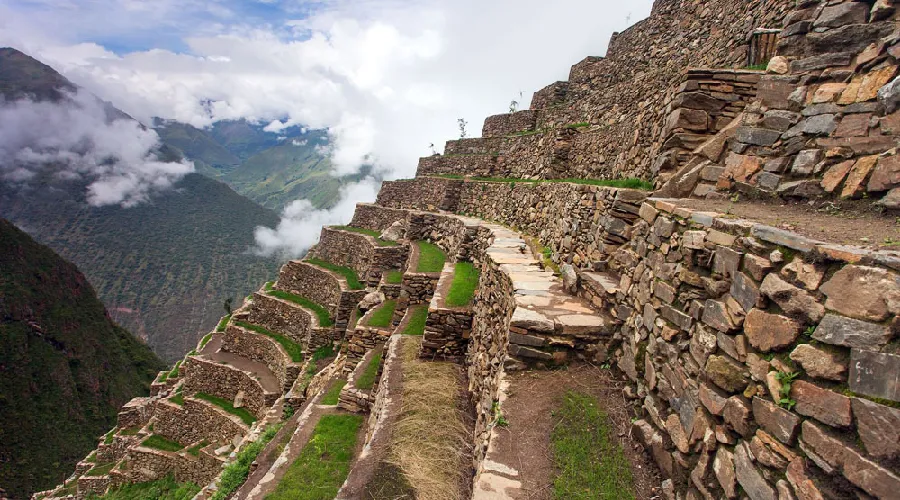
- Agricultural terraces: Stepping down toward the abyss.
- Ceremonial plazas: Where sacred rituals were performed.
- Temples and dwellings: With finely crafted architecture.
- The stone llamas: Unique iconography set into hidden terraces.
The site is still being excavated. Only 40% has been uncovered, which adds a sense of genuine exploration to its charm.
Solitude and Inner Connection
One of the most unique features of the Choquequirao trek is its solitude. Unlike other routes, here you will not hear crowds or see long lines of hikers.
That solitude allows you to:
- Connect with yourself: Time to think, observe, meditate or simply walk in silence.
- Value every step: With no time pressure and no tourists around you.
- Live the essentials: Water, food, warmth, the trail. Everything comes down to what matters.
For many, this space for introspection is what they treasure most about the trip. Choquequirao is not just seen; it is felt.
Memorable Moments Along the Way
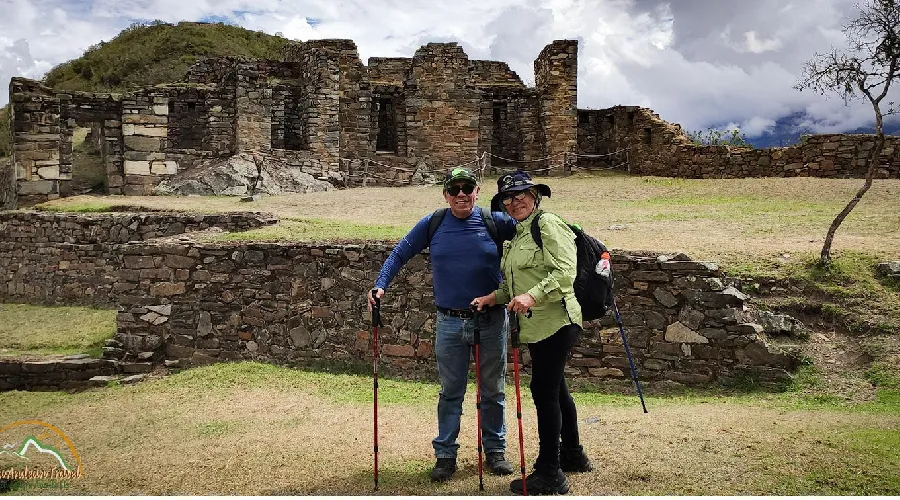
Throughout the trek, there are moments that stay etched in any traveler’s memory:
- First views from Capuliyoc: The thrill of seeing the canyon for the first time.
- The climb to Marampata: A tough but spiritual ascent.
- Sunrise at Choquequirao: As the sun’s rays slowly light up the Inca walls.
- Total silence as you walk the terraces: Feeling as if you are walking among ghosts of another time.
- The return: Tired but transformed, knowing you made it.
These moments are not planned; they simply happen. And they mark a before and after in the way you travel.
Frequently Asked Questions About Choquequirao
- How long does the classic Choquequirao trek take? Between 4 and 5 days round trip from Cachora.
- Do I need a guide? It is not mandatory, but it is recommended for safety and for the cultural experience.
- Are there campsites? Yes, in places such as Chiquisca, Santa Rosa and Marampata.
- Are there restrooms or cell signal? Basic restrooms in some areas. There is almost no signal along the entire route.
- Can I continue on to Machu Picchu? Yes, via the extended Choquequirao – Machu Picchu route in 8 to 10 days.
Conclusion
The Choquequirao trek is not for everyone, and that is exactly what makes it so special. It is a demanding, long and solitary journey, but also one of the most authentic you can experience in Peru.
Those who complete it come back changed. Stronger, more aware, more grateful. Because Choquequirao offers not only ruins and landscapes, but also lessons in humility, patience and connection.
Prepare well, walk with respect and open your senses. Choquequirao does not welcome you as a tourist, but as a pilgrim. And when you leave, you will leave a part of yourself among its stones.