
Classic Route vs. Alternative Route
Classic Route is one of the most important decisions when planning your journey to Machu Picchu. Both routes offer spectacular landscapes, unique challenges, and a deep connection with the Andean history and culture. While the Classic Inca Trail is renowned for its archaeological heritage and physical demands, the Alternative Routes — such as Salkantay or Lares — offer greater flexibility and fewer crowds.
Choosing the right route depends on your available time, physical condition, and the type of experience you’re looking for. Each path has its own magic, rhythm, and reward. This guide will help you make an informed decision so your trip becomes unforgettable — whether you go for the traditional Classic Route or venture into an Alternative Route.
In this article, we’ll explain in detail what to expect from each route, their pros and cons, and how to choose the best option for you. Whether you seek a historic path like the Inca Trail or a lesser-traveled adventure like Salkantay, you’ll find everything you need here.
Why Compare Routes?
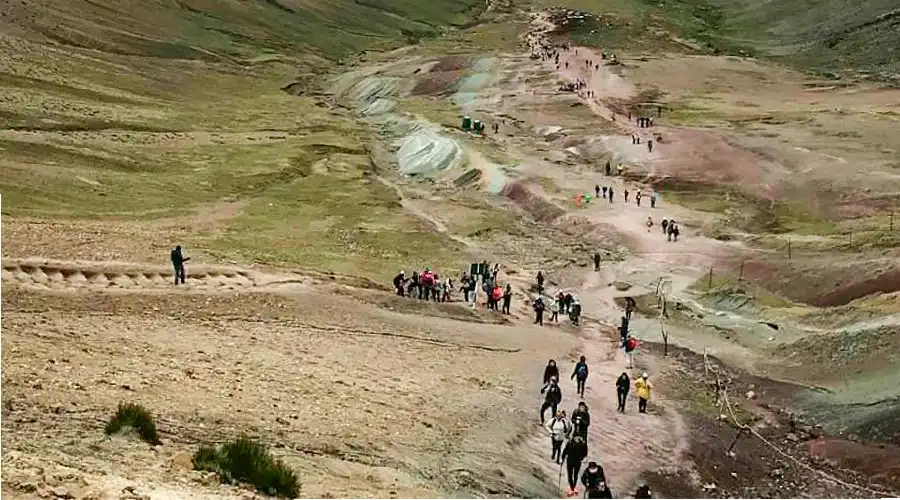
Deciding between the Classic Route vs. Alternative Route not only defines your itinerary, but also the type of experience you’ll live. Machu Picchu can be reached in many ways, and each route has its own personality.
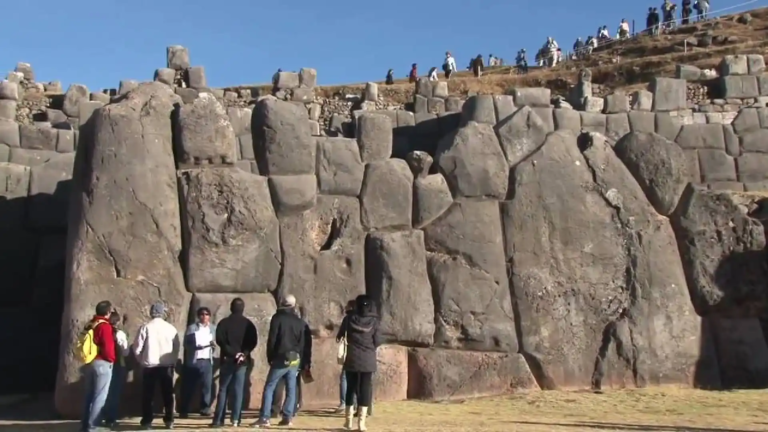
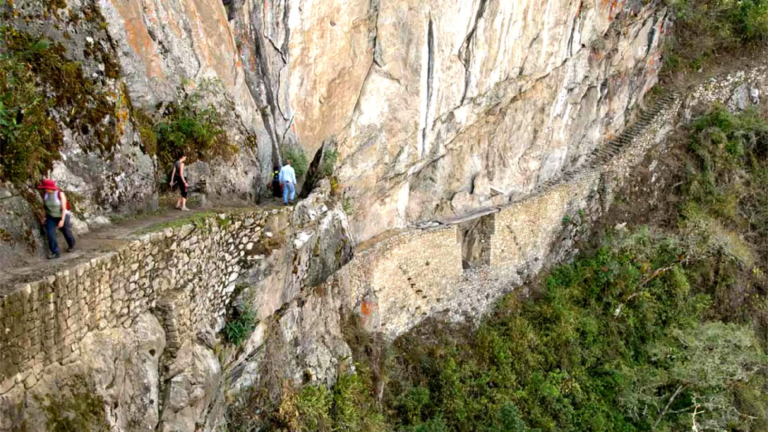
- Historical connection: The classic route follows the ancient Inca Trail, rich in archaeological significance.
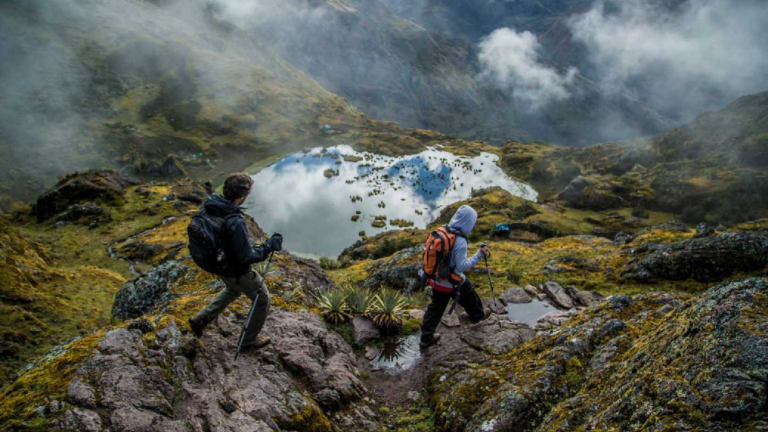
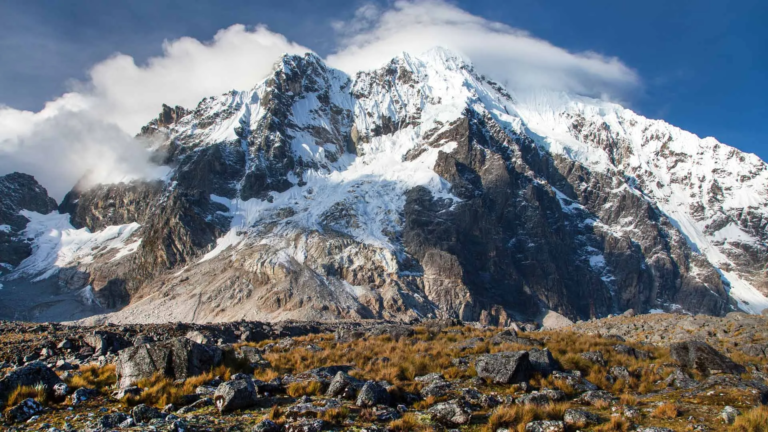
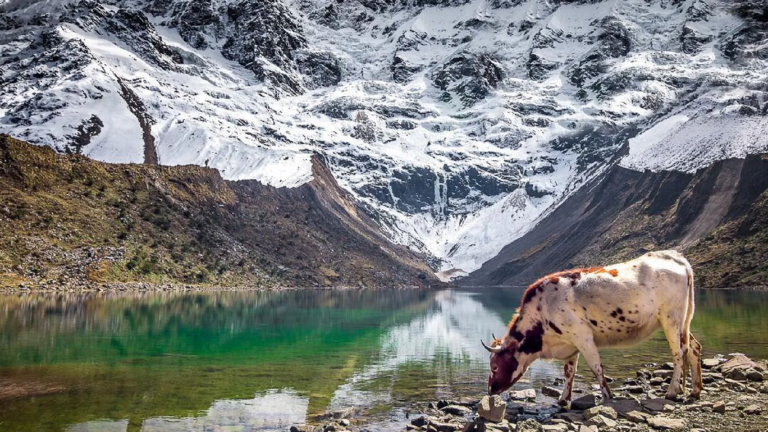
- Natural adventure: Alternative routes like Salkantay or Lares take you through glaciers, cloud forests, and vibrant Andean villages.
- Availability: The classic route requires booking months in advance, while the alternatives offer more flexibility.
- Personal style: Do you prefer the comfort of a traditional trail or discovering new paths with fewer tourists?
Trip Planning
Whatever your choice between the Classic Route vs. Alternative Route, good planning is essential to fully enjoy the experience:
- Book in advance: The Inca Trail (Classic Route) sells out quickly, especially from May to September.
- Acclimatize: Spend at least 2 days in Cusco to adapt to the altitude before starting any trek.
- Proper gear: Hiking poles, trekking boots, waterproof clothing, hat, sunscreen, and a comfortable backpack.
- Food and hydration: Agencies provide meals on organized treks, but always bring energy snacks and water.
- Weather and season: The dry season (May to October) is ideal. In the rainy season, some trails may be challenging or closed.
Classic Route vs. Alternative Route
Classic Route – Inca Trail
- Length: Approximately 42 km.
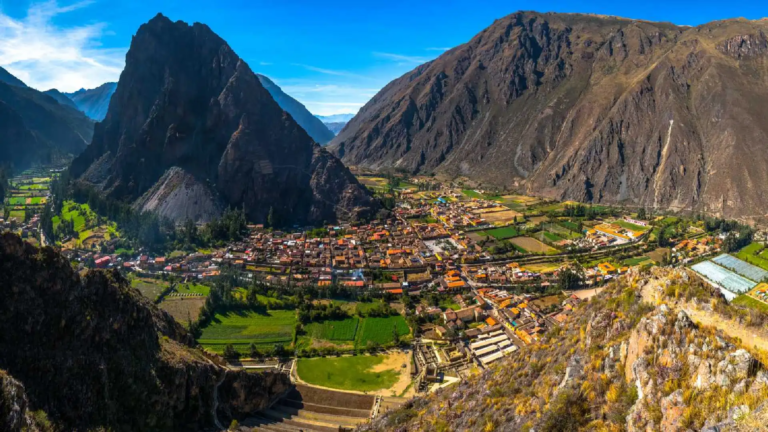
- Starting point: Km 82, near Ollantaytambo.
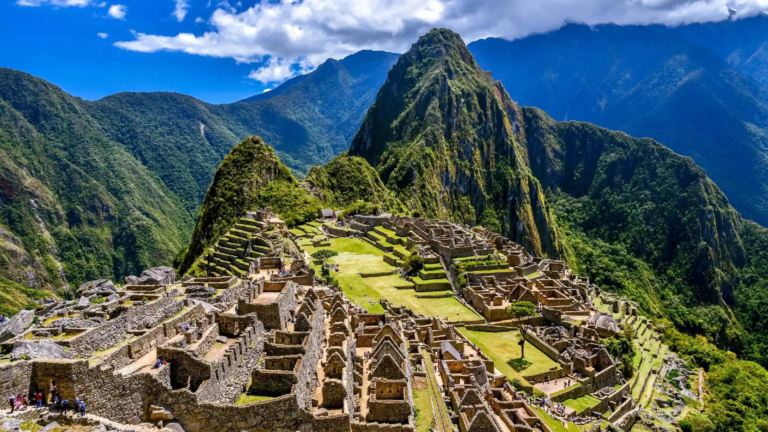
- Highlights: Llactapata, Runkurakay, Phuyupatamarca, and the Sun Gate (Inti Punku).
- Difficulty: Moderate to high. Good physical condition required.
- Limitations: Only 500 people allowed per day (including guides and porters). Permits required.
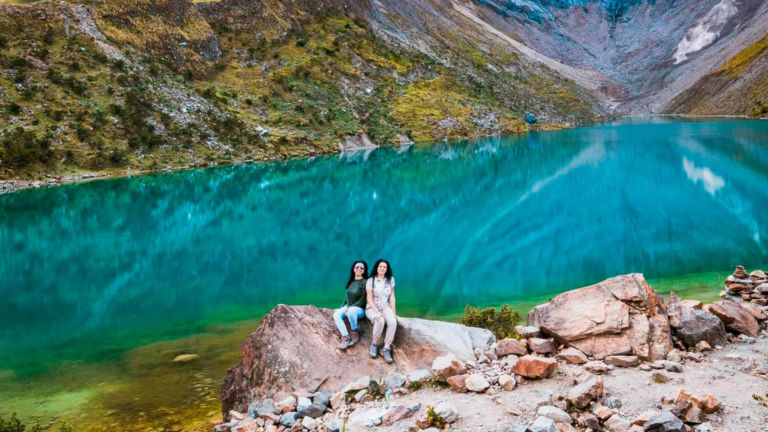
Alternative Route – Salkantay
- Duration: 4 to 5 days.
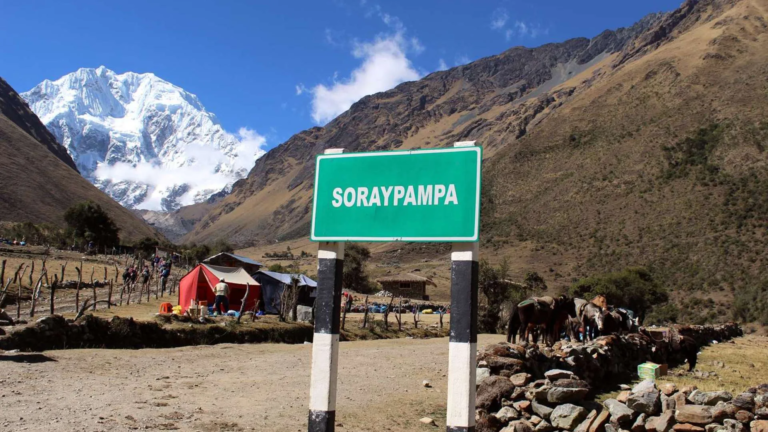
- Starting point: Mollepata or Soraypampa.
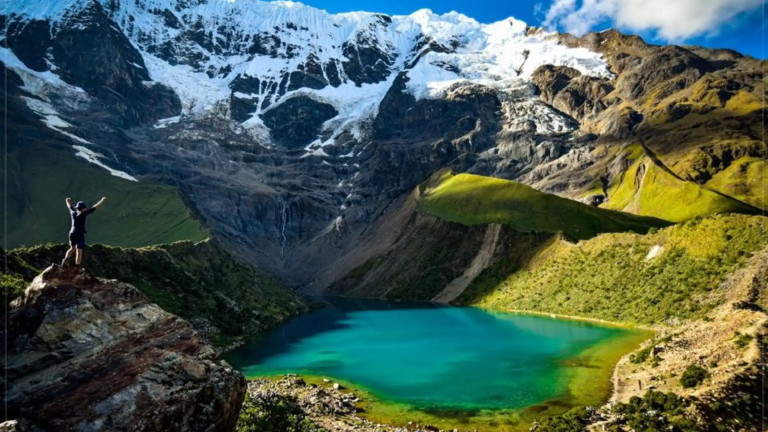
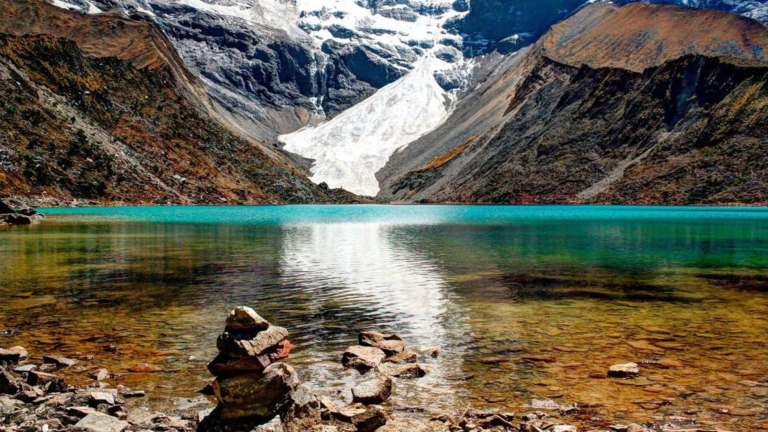
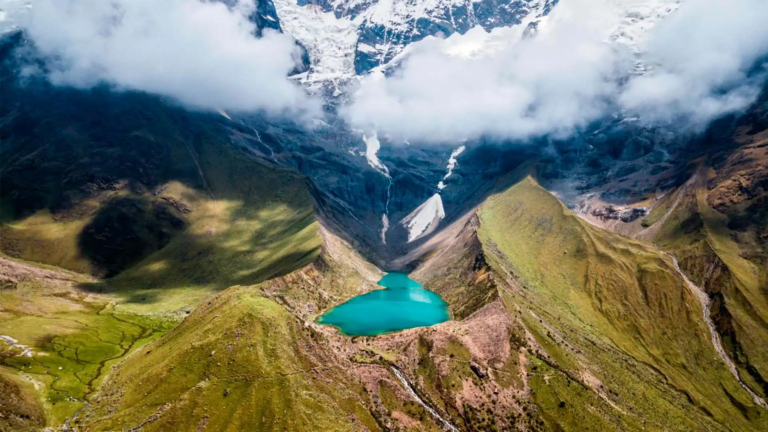
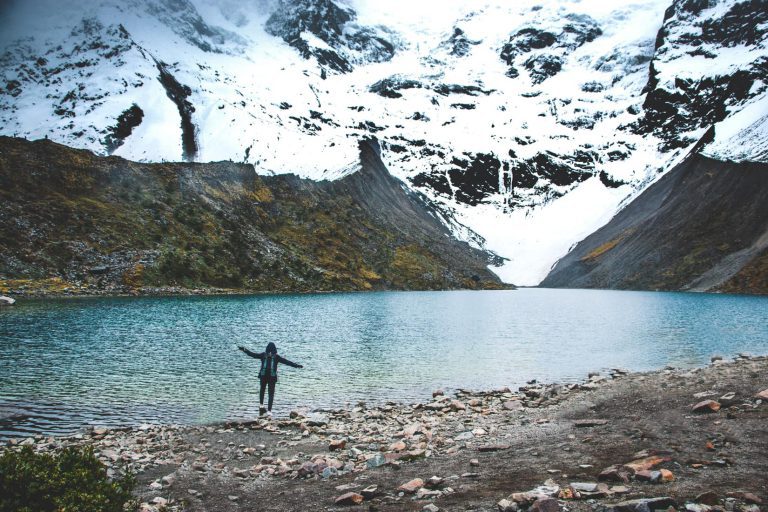
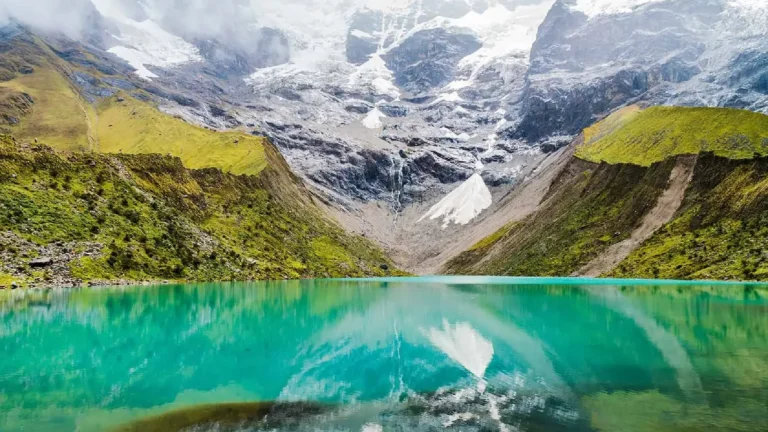
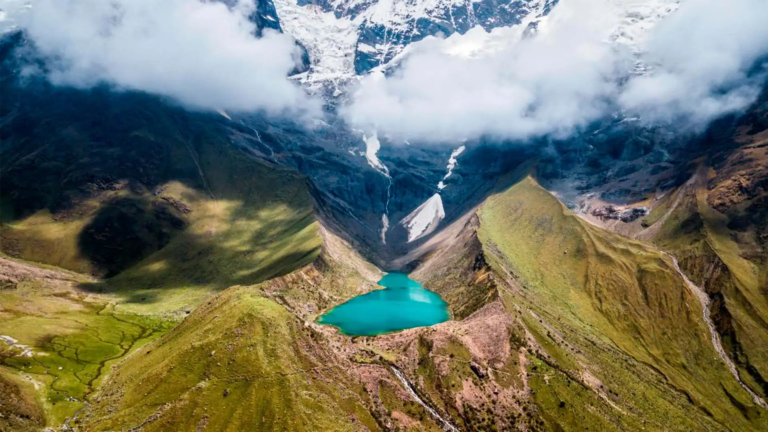
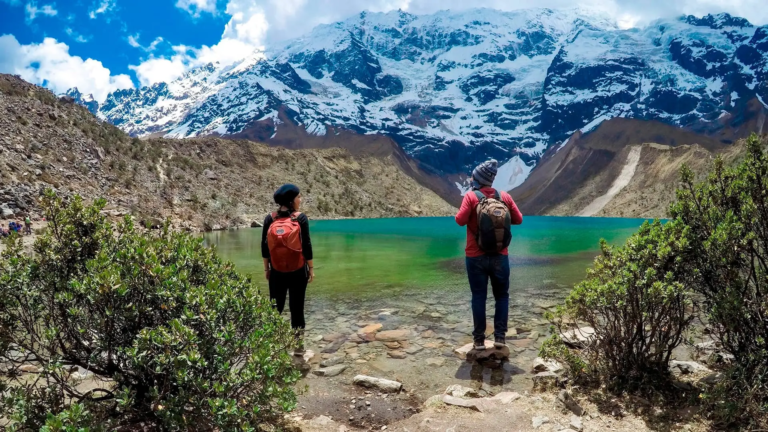
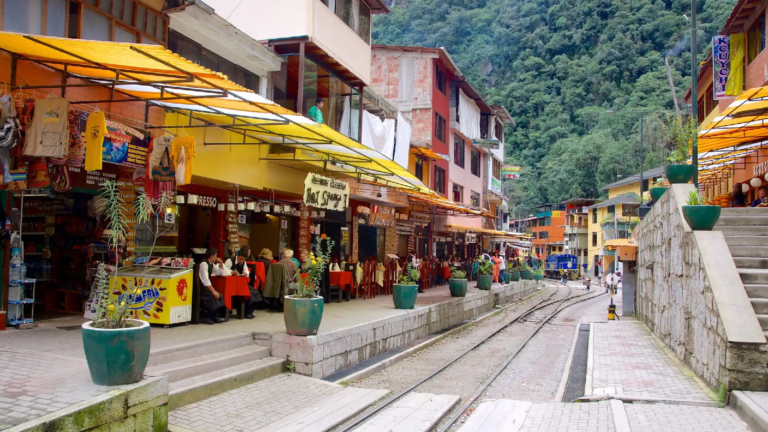
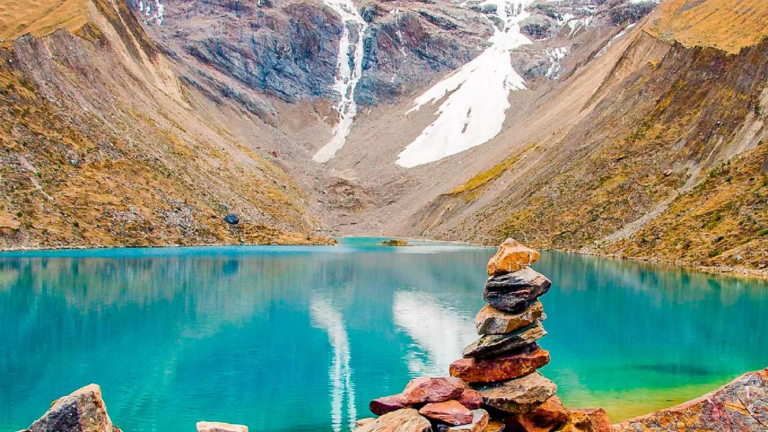
- Highlights: Humantay Lagoon, Salkantay Pass, Santa Teresa (hot springs), Hydroelectric Station.
- Difficulty: High. Includes steep ascents and descents.
- Advantages: No permits required. More availability and lower cost.
Other Alternative Routes
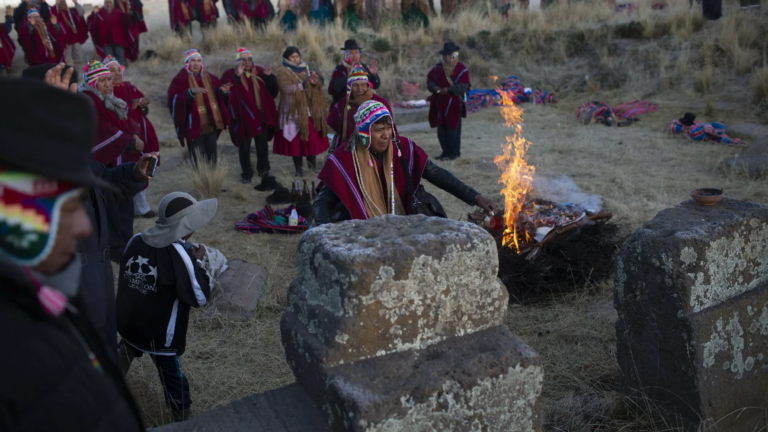
- Lares Trek: Perfect for cultural immersion. Visit Andean communities and traditional weaving villages.
- Inca Jungle: A mix of biking, hiking, and ziplining. Extreme adventure with optional rafting.
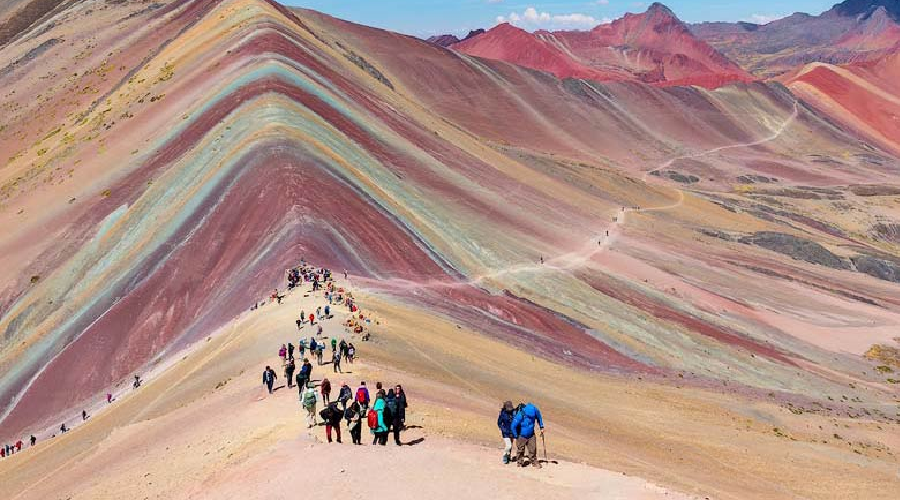
Which One Fits Your Style?
If You Prefer the Classic Route
- You love history: Walk on authentic Inca paths with exclusive access to archaeological sites.
- You enjoy small groups: Permits limit daily entries, ensuring a more intimate experience.
- You want to arrive walking: Entering Machu Picchu at dawn through the Sun Gate is unforgettable.
If You Prefer an Alternative Route
- You seek adventure: More contact with nature, fewer tourists, and greater physical challenge.
- You want more flexibility: Book with shorter notice and enjoy various route options.
- You’re on a budget: Alternative routes are generally more affordable.
Common Mistakes and How to Avoid Them
Whether you take the Classic or Alternative Route, certain mistakes are common. Here are some tips to avoid them:
- Skipping acclimatization: Starting the trek without physical preparation or altitude adaptation is a big mistake.
- Poor packing: Carrying too much or not packing essentials can hinder your performance.
- Lack of research: Not all routes are the same. Be well-informed before choosing.
- Ignoring permits: The classic route requires official permits. Don’t leave them for the last minute.
- Underestimating the weather: Even in dry season, mountain weather can be unpredictable.
Conclusion
Choosing between the Classic Route vs. Alternative Route depends on your interests, physical fitness, budget, and sense of adventure. Both will lead you to the world wonder of Machu Picchu, but the journey will differ greatly.
The classic route offers a historical and archaeological journey, while alternatives like Salkantay or Lares immerse you in the raw beauty of nature and living Andean culture.
Classic Route vs. Alternative Route: choose with your heart and your pace. What truly matters is to experience the journey with respect, wonder, and excitement. Whichever path you choose, Machu Picchu will always be a rewarding destination.


 Recogida: Desde su hotel en Cusco.
 Tour Valle Sagrado: Visita a Chinchero, Maras, Moray y Ollantaytambo (06:20 AM – 4:30 PM).
 Viaje en tren: De Ollantaytambo a Aguas Calientes (Duración: 2 horas).
 Noche de alojamiento: En Aguas Calientes (Machu Picchu). Descubre lo mejor del […]


![Machupicchuhahatrips - Nevado Ausangate: Guía Completa del Trekking Sagrado y Montaña de 7 Colores [2025]](https://hahatrips.com/wp-content/uploads/2025/05/nevado-ausugante-768x432.webp)
![Machupicchuhahatrips - Montaña Roja Perú: Guía Completa del Trekking a Vinicunca [2025]](https://hahatrips.com/wp-content/uploads/2025/05/montana-roja-768x432.webp)