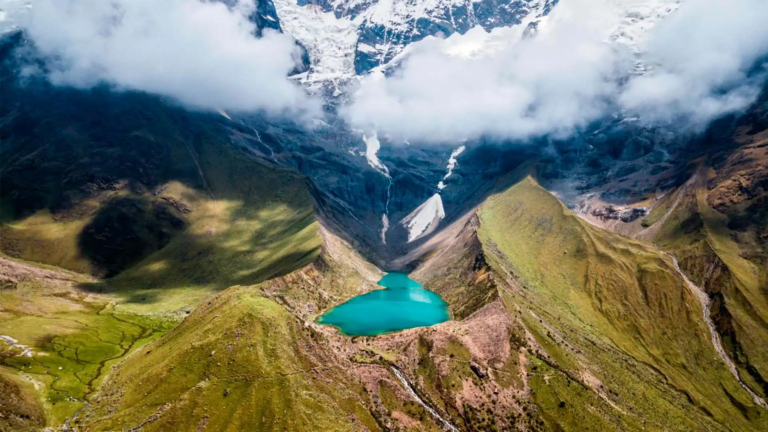

Introduction
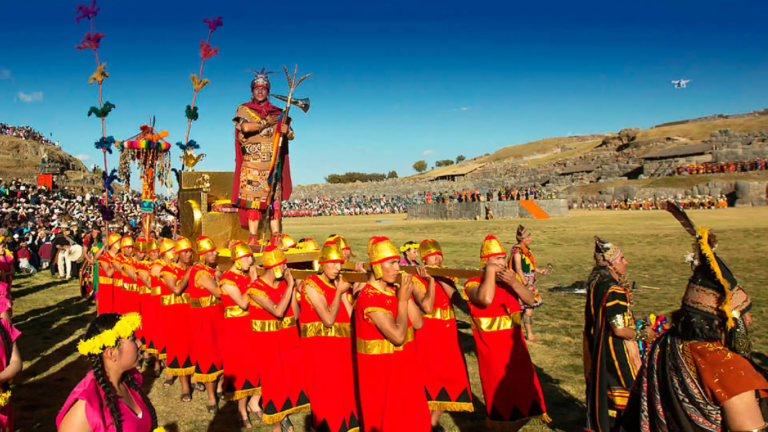
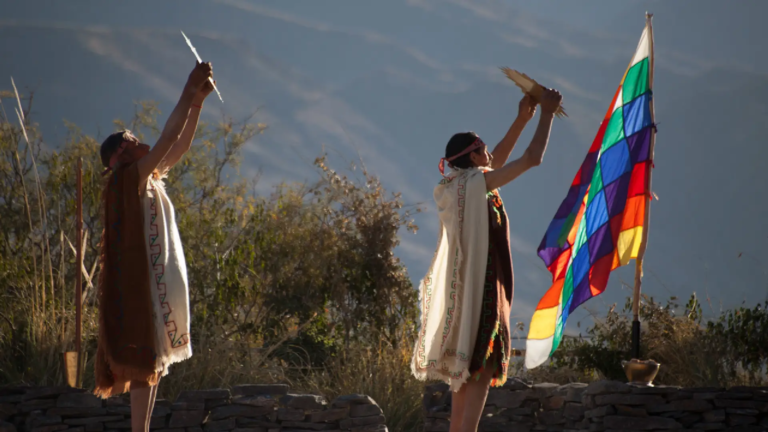
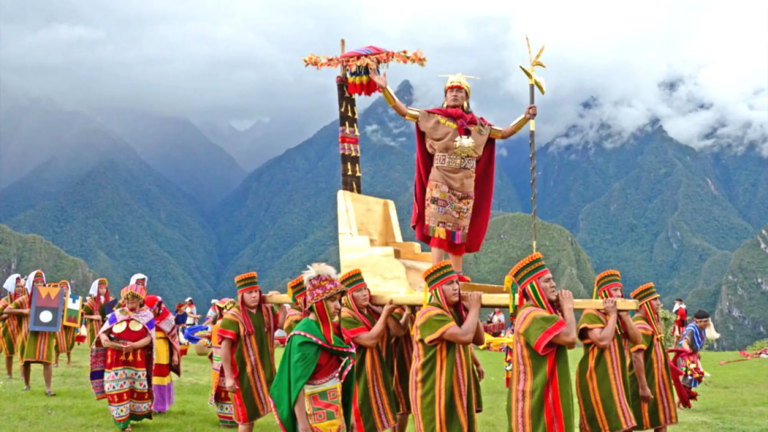
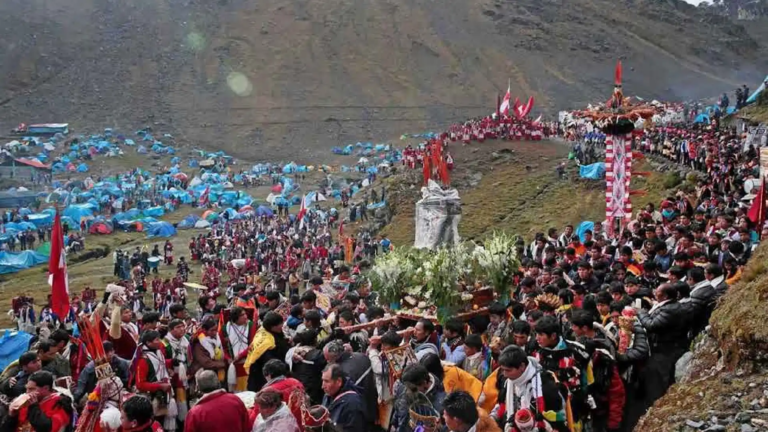
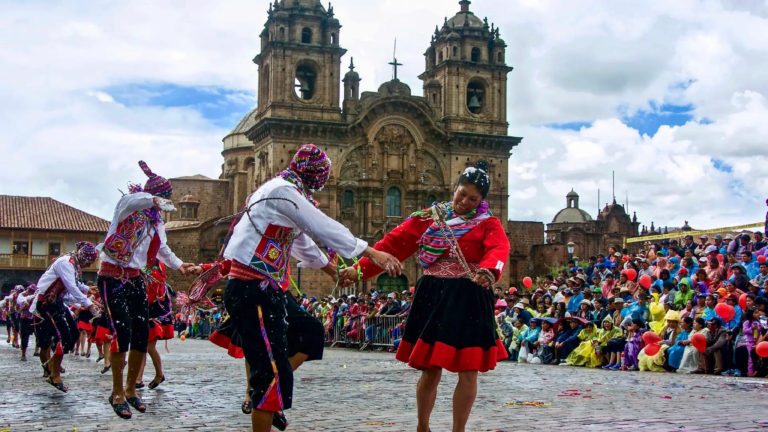
Inti Raymi, the majestic Festival of the Sun celebrated every June 24 in Cusco, Peru, is a cultural event that goes far beyond theatrical and ceremonial spectacle. During this time, Andean gastronomy plays a central role, becoming a powerful channel to revive ancestral customs and pay tribute to the gods. Through food, people express reverence for the earth, gratitude to the sun, and communal unity. Every bite holds history; every dish is a symbol of resilience and identity.
Learn More →
Culinary Tradition of Inti Raymi
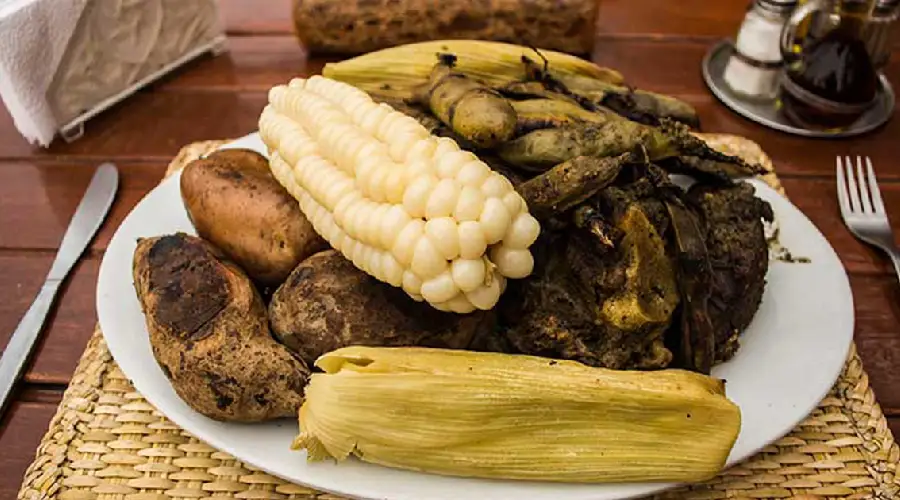
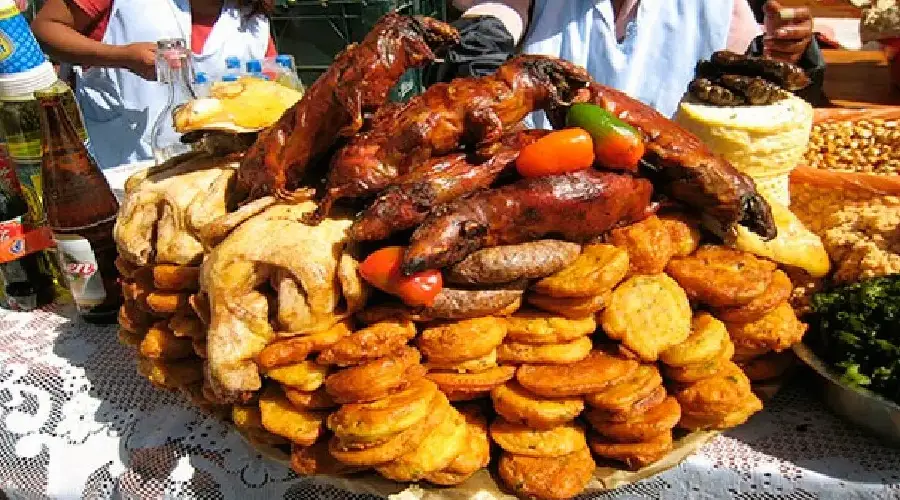
The culinary tradition of Inti Raymi dates back to the Tahuantinsuyo empire, when food offerings were sacred tributes to the gods. Festivities included agricultural rituals, dances, music, and communal meals. Today, this legacy remains alive. Communities come together for large family or communal lunches, where local products such as potatoes, corn, quinoa, and Andean meats take center stage.
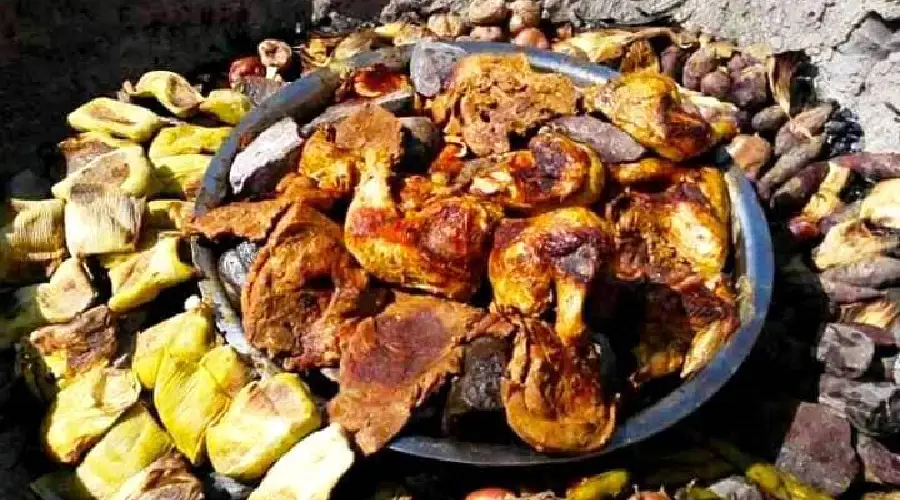
Typical Dishes of Inti Raymi
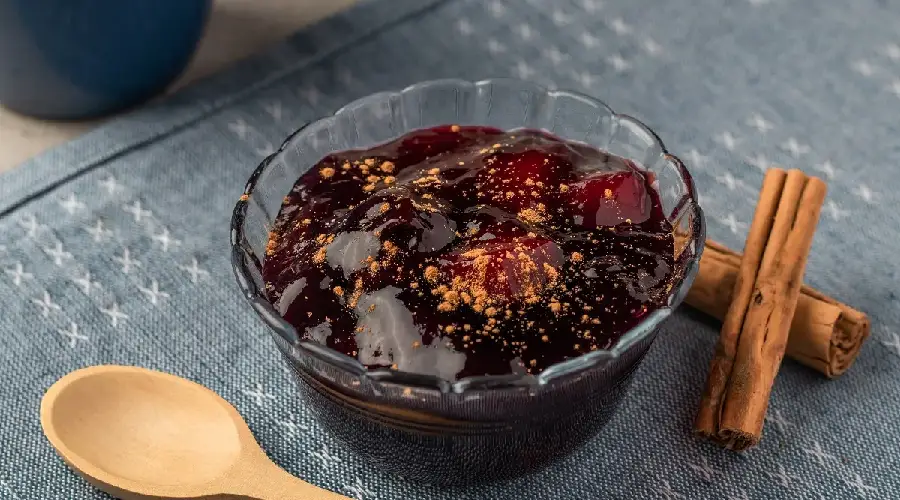
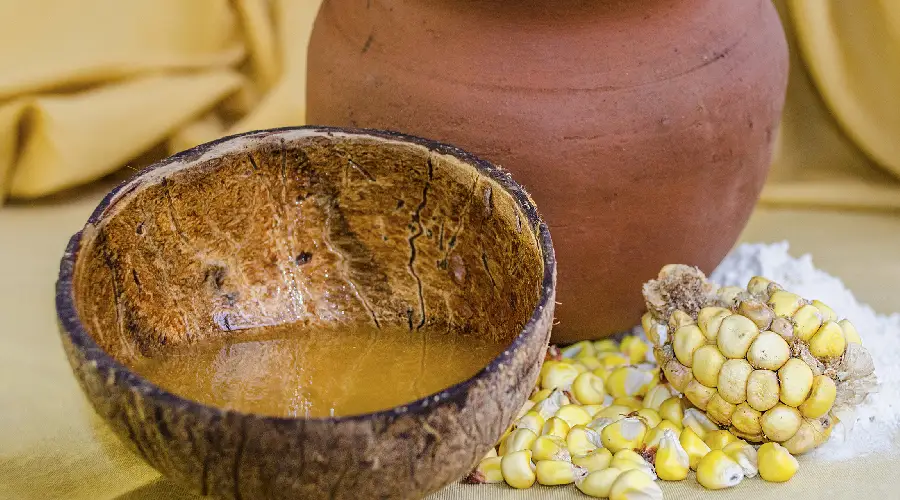
Preparation and Symbolism
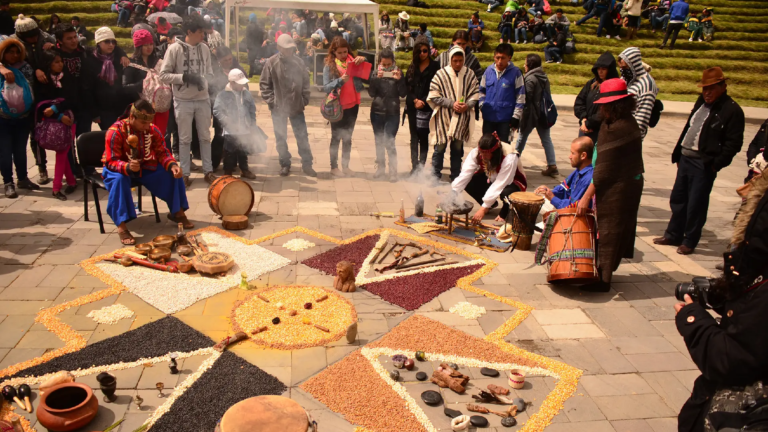
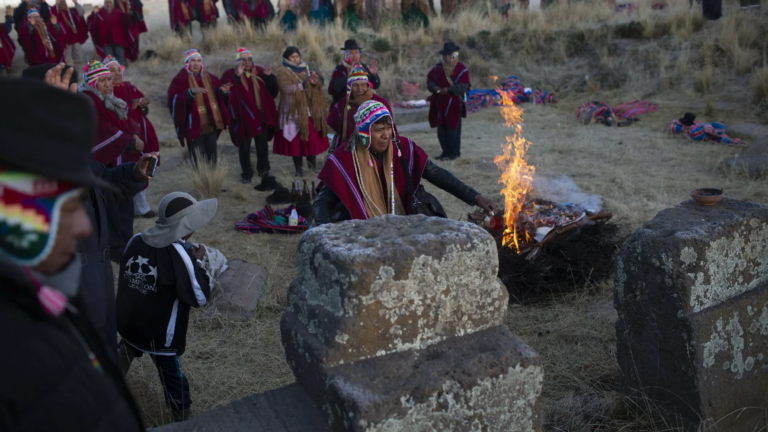
The preparation of food for Inti Raymi is not merely culinary but also ritualistic. Families and communities engage in collective activities that include ingredient selection, ceremonial harvests, and open-fire cooking. These acts reflect gratitude toward nature, especially to Pachamama (Mother Earth). The use of traditional utensils and typical clothing during the preparation process also adds to the symbolic meaning.
Cultural Importance
Gastronomy during Inti Raymi goes beyond satisfying hunger. It is a vital element in the construction of Andean cultural identity. Food becomes a narrative that celebrates diversity, cultural resilience, and ancestral spirituality. It has also become a tool for tourism attraction and contemporary culinary reinterpretation, drawing visitors from around the world eager to experience the flavors and rituals of the Andes.
Conclusion
Within the framework of Inti Raymi, food becomes a powerful symbol of communion between humanity and nature, and between past and present. Preserving and promoting these culinary traditions is a form of cultural resistance and an invitation to reconnect with our roots. Celebrating Inti Raymi through its flavors ensures that the legacy of the Andean people continues to thrive across generations.
[tours_carrusel]


 Recogida: Desde su hotel en Cusco.
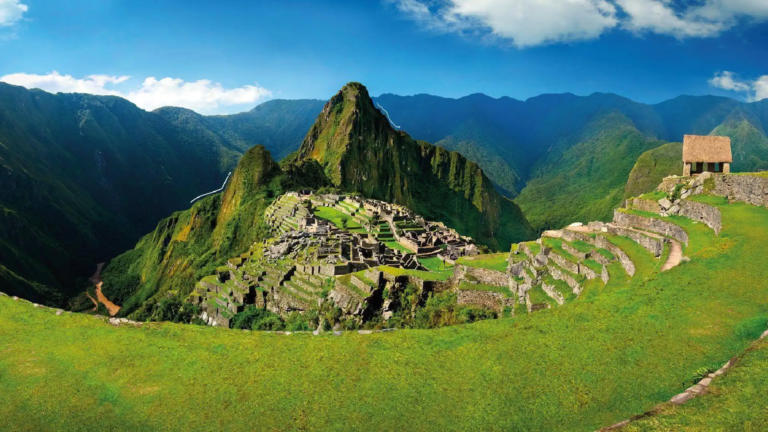
 Tour Valle Sagrado: Visita a Chinchero, Maras, Moray y Ollantaytambo (06:20 AM – 4:30 PM).
 Viaje en tren: De Ollantaytambo a Aguas Calientes (Duración: 2 horas).
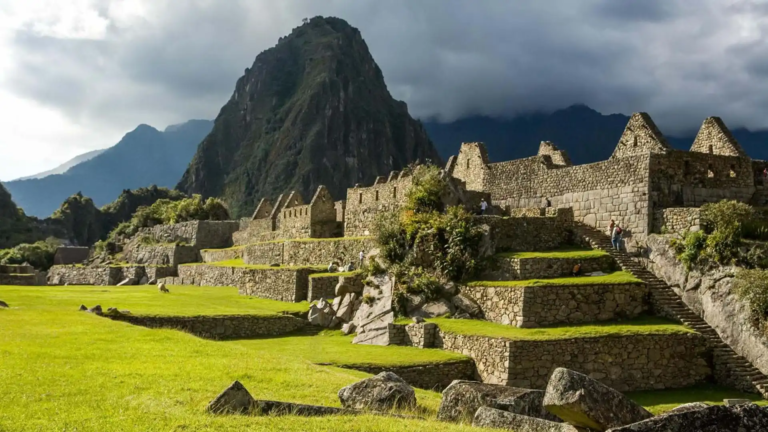
 Noche de alojamiento: En Aguas Calientes (Machu Picchu). Descubre lo mejor del […]







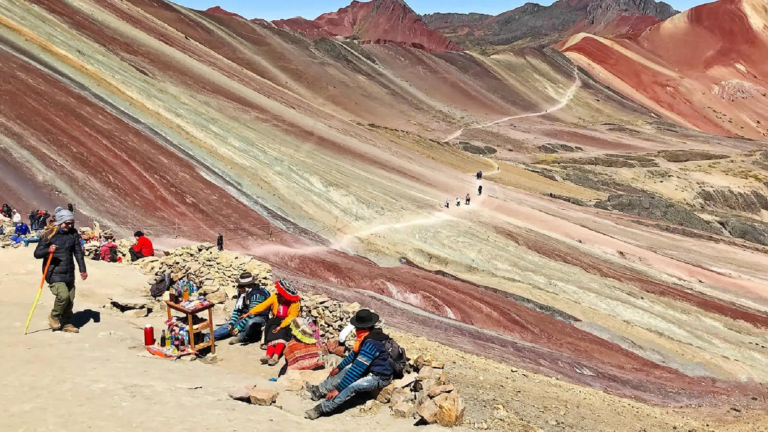



![Machupicchuhahatrips - Nevado Ausangate: Guía Completa del Trekking Sagrado y Montaña de 7 Colores [2025]](https://hahatrips.com/wp-content/uploads/2025/05/nevado-ausugante-768x432.webp)
![Machupicchuhahatrips - Montaña Roja Perú: Guía Completa del Trekking a Vinicunca [2025]](https://hahatrips.com/wp-content/uploads/2025/05/montana-roja-768x432.webp)