Historic Sanctuary of Machu Picchu History, Location, Cultural Significance, and Tourism
7 min readHAHA Trips · Cusco
DifficultyDesafiante
Update (November 18, 2026): free entry to the Machu Picchu Historic Sanctuary. From November 14 to December 31, 2026, the Historic Sanctuary fee charged by SERNANP is S/ 0 for foreign, Andean Community, Peruvian and resident visitors (Resolution No. 000017-2026-SERNANP/SHMPI). The citadel ticket is not free: it is still sold at its regular price at tuboleto.cultura.pe, and the measure does not cover the Inca Trail. From 2027 the sanctuary fee will be S/ 3 to S/ 11 depending on the category. Full details here.
Introduction
Machu Picchu
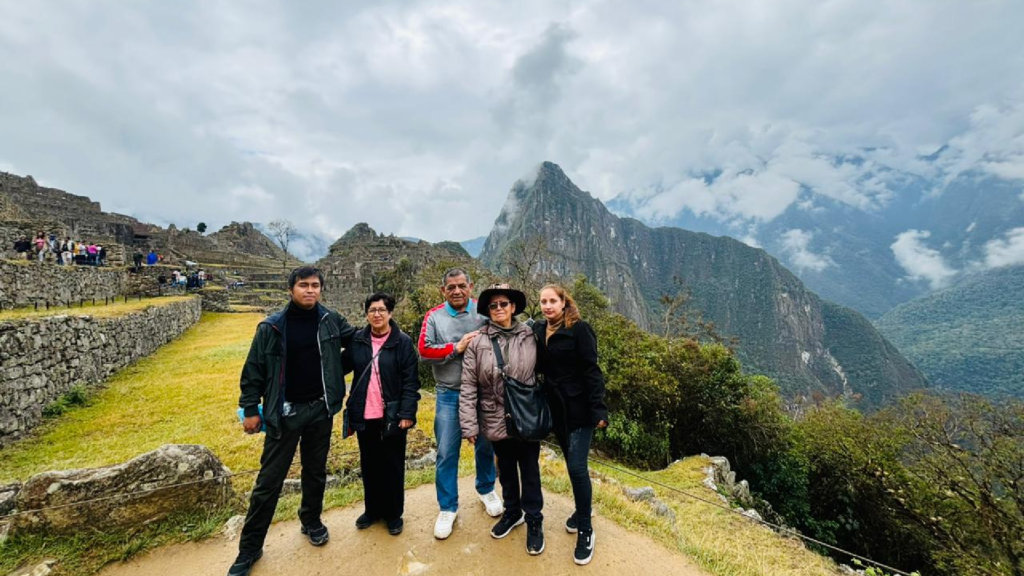
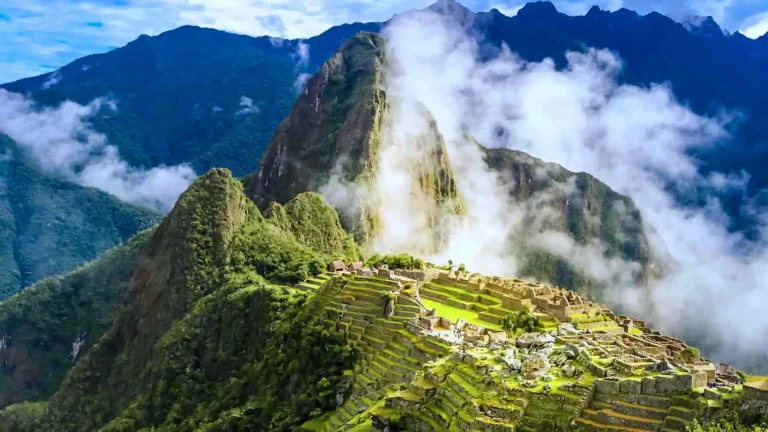
The Historic Sanctuary of Machu Picchu is one of the most iconic and visited sites in the world. This Inca citadel, nestled in the Andes Mountains of Peru, attracts millions of tourists every year. Declared a UNESCO World Heritage Site in 1983, the sanctuary stands not only as a testament to Incan engineering but also as a cultural legacy of immeasurable value. Through its ruins and breathtaking landscapes, Machu Picchu offers a window into the glorious past of the Inca Empire and remains a unique convergence point for history, spirituality, and nature.Conose Mas →
What is the Historic Sanctuary of Machu Picchu?
Many people use «Historic Sanctuary» as another name for the citadel, but it is much bigger: it is a protected natural area around Machu Picchu that safeguards its archaeological sites, forests and wildlife at the same time. The Inca citadel is its most famous site, but the sanctuary also includes the Inca Trail, mountains such as Huayna Picchu and Machu Picchu Mountain, rivers, cloud forests and dozens of other Inca sites.
Created
8 January 1981 (Supreme Decree No. 001-81-AA)
Area
32,592 hectares
Location
Urubamba province, Cusco region, along the Urubamba (Vilcanota) river valley
Managed by
SERNANP looks after the natural area; the Ministry of Culture manages the citadel and archaeological sites
Recognition
UNESCO mixed (cultural and natural) World Heritage Site since 1983
History of the Historic Sanctuary of Machu Picchu
The Historic Sanctuary of Machu Picchu was built in the 15th century at the height of the Inca Empire, under the reign of Emperor Pachacutec. Scholars believe that the citadel may have served as a royal estate, a religious center, or even a military stronghold. However, the true purpose of Machu Picchu remains a mystery due to the lack of written records.
For centuries, the sanctuary remained hidden within the jungle, unknown to the Western world. It wasn’t until 1911 that American explorer Hiram Bingham rediscovered the site, initiating its restoration and academic study. Since then, the site has been the subject of extensive archaeological research, continuously unveiling more secrets about the Inca civilization and their extraordinary ability to build in such remote and challenging environments.
Location of the Historic Sanctuary of Machu Picchu
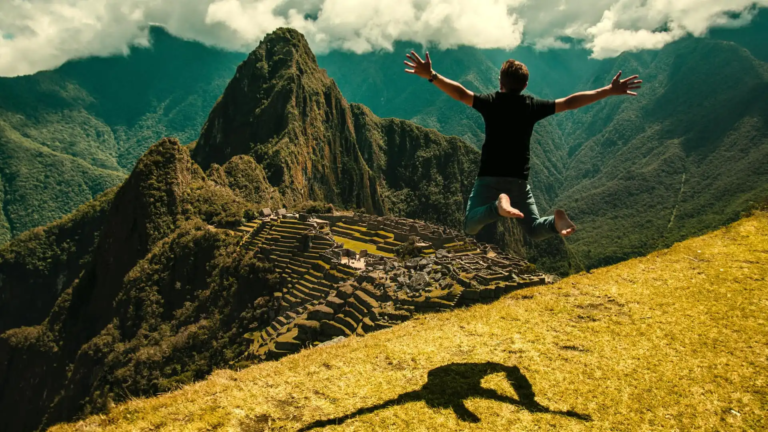
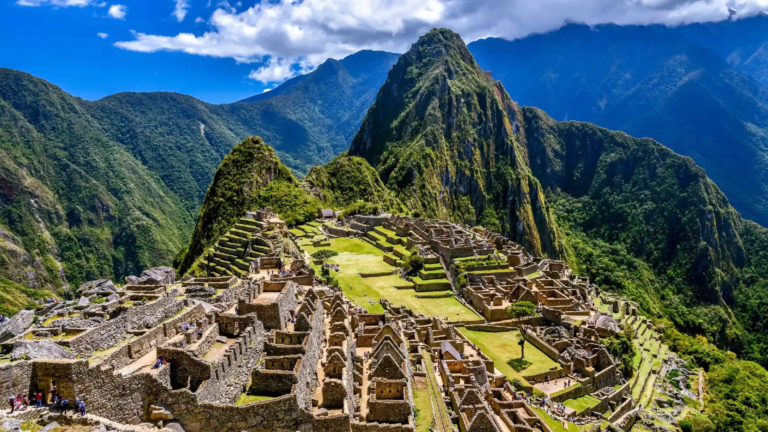
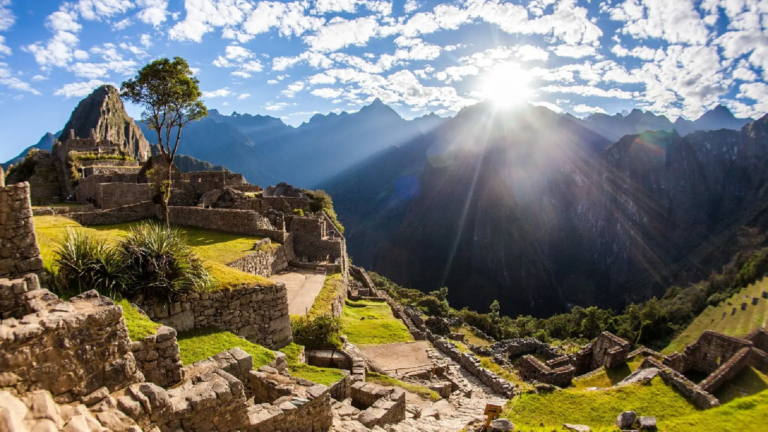
The Historic Sanctuary of Machu Picchu is located in the Cusco region of Peru, approximately 2,430 meters (7,970 feet) above sea level. It is situated on a stunning mountain ridge between the peaks of Machu Picchu and Huayna Picchu, surrounded by the turbulent waters of the Urubamba River. This strategic location offered both natural protection and an awe-inspiring panoramic view of the surrounding valleys.
Visitors can reach the sanctuary by train from the town of Aguas Calientes or by hiking the world-famous Inca Trail. The trek provides an immersive experience through majestic landscapes and offers a deeper connection to the history and spirit of the Incas. The route to Machu Picchu has become one of the most celebrated experiences for travelers seeking adventure and cultural enrichment.
Cultural Importance of the Historic Sanctuary of Machu Picchu
The Historic Sanctuary of Machu Picchu is far more than a tourist destination; it is a symbol of the greatness of the Inca Empire and a source of profound pride for the Andean peoples. The citadel showcases the Incas’ mastery in engineering, architecture, and astronomy. Built to withstand time and natural disasters, its design is a brilliant testament to the ingenuity of an ancient civilization.
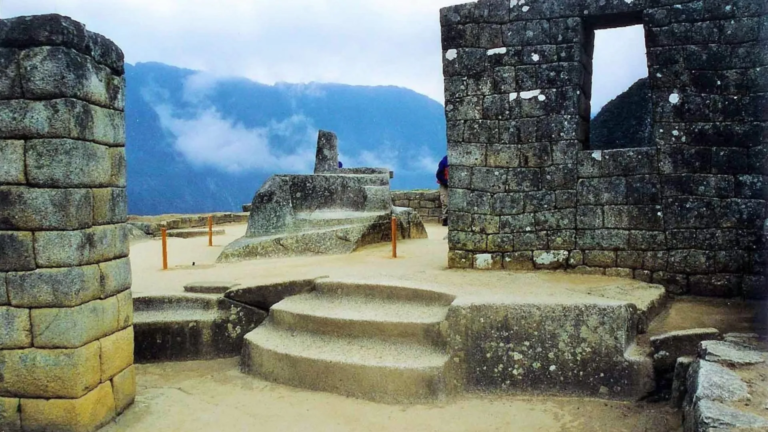
Beyond its architectural marvels, Machu Picchu is a spiritual hub dedicated to the sun god, Inti, and aligned with celestial bodies—demonstrating the Incas’ advanced astronomical knowledge. The site also serves as a cultural stronghold that preserves the memory of a people who resisted colonization and preserved their identity despite external impositions.
In 1983, UNESCO recognized the Historic Sanctuary of Machu Picchu for its outstanding universal value, emphasizing its importance as both a cultural and natural wonder. This designation has led to significant efforts in protecting and conserving the site, ensuring its legacy endures for future generations.
Tourism at the Historic Sanctuary of Machu Picchu
Tourism at the Historic Sanctuary of Machu Picchu has increased significantly over recent decades. Each year, thousands of visitors from around the world come to experience its history, beauty, and spiritual essence. Due to its growing popularity, the Peruvian government has implemented various measures to regulate tourist traffic and protect the integrity of the site. This includes daily visitor limits to ensure a more respectful and sustainable experience.
Tourists can explore the ruins, walk along scenic trails throughout the sanctuary, or hike up neighboring peaks like Huayna Picchu for breathtaking views of the citadel below. The Inca Trail, starting at Kilometer 82, is one of the most iconic and demanding trekking routes. It provides an unforgettable adventure for both history enthusiasts and nature lovers.
With guided tours, cultural experiences, and eco-conscious travel options, visiting Machu Picchu has become a well-rounded journey that offers insight into one of the most remarkable civilizations in history. Sustainable tourism practices continue to evolve, ensuring that the sanctuary’s mystique and majesty remain protected for generations to come.
What is inside the sanctuary
The Machu Picchu citadel: Peru’s most visited Inca site, with the Temple of the Sun, the Intihuatana and the Main Plaza. It is visited on fixed circuits and routes, explained in our Machu Picchu circuits guide.
Huayna Picchu and Machu Picchu Mountain: the two peaks that frame the citadel, each with its own ticket and limited daily spots.
The Inca Trail: the network of paths linking sites such as Wiñay Wayna, Intipata, Phuyupatamarca, Sayacmarca and Runkurakay before reaching the Sun Gate.
Cloud forests and rivers: the sanctuary protects a landscape that runs from the high jungle by the Urubamba River up to Andean highlands.
Flora and fauna of the Historic Sanctuary
That is why UNESCO also recognized it for its natural value. Its forests are home to the spectacled bear, South America’s only bear, and the Andean cock-of-the-rock, Peru’s national bird, as well as hummingbirds, deer and a huge variety of orchids, bromeliads and ferns. On the Inca Trail or on walks around Aguas Calientes it is common to spot orchids and birds along the path.
Sanctuary fee and citadel ticket: two different charges
Visiting Machu Picchu involves two separate charges:
Citadel ticket: sold by the Ministry of Culture at tuboleto.cultura.pe, with your circuit and entry time.
Historic Sanctuary fee: charged by SERNANP for the conservation of the natural area. It is free from 14 November to 31 December 2026, and from 2027 it will be S/3 to S/11 depending on the visitor category.
Is Machu Picchu the same as the Historic Sanctuary of Machu Picchu?
Not exactly. Machu Picchu is the Inca citadel; the Historic Sanctuary is the 32,592-hectare protected area around it, which also includes the Inca Trail, the mountains and the forests.
When was the Historic Sanctuary of Machu Picchu created?
On 8 January 1981. In 1983 UNESCO inscribed it as a mixed cultural and natural World Heritage Site.
Who manages the Historic Sanctuary?
SERNANP (Peru’s National Service of Protected Natural Areas) looks after the natural area, and the Ministry of Culture manages the citadel and the other archaeological sites.
What animals live in the sanctuary?
The best known are the spectacled bear and the Andean cock-of-the-rock, along with many species of birds, hummingbirds and orchids.
Do you have to pay to enter the Historic Sanctuary?
Yes: besides the citadel ticket there is a sanctuary fee charged by SERNANP. It is free until 31 December 2026 and from 2027 it ranges from S/3 to S/11 depending on the category.
Conclusion
The Historic Sanctuary of Machu Picchu is a place of unparalleled beauty and historical significance. Its rich culture, sophisticated architecture, and spiritual symbolism make it one of the most important heritage sites in the world. Visiting Machu Picchu is not just an archaeological expedition—it’s an opportunity to forge a deep connection with the Andes and the brilliant civilization of the Incas.
Preserving the Historic Sanctuary of Machu Picchu is a shared responsibility among the Peruvian government, local communities, and tourists. All must work together to ensure this global treasure remains intact. Without a doubt, Machu Picchu will continue to be a beacon of Andean culture and a must-see destination for anyone seeking to discover the heart of Peru.
Temple of the Sun: Spiritual Center of Machu Picchu The Temple of the Sun is one of the most emblematic and sacred structures of the Inca citadel of Machu Picchu. Built with astonishing precision on a rock formation, this temple reveals the deep connection between Inca architecture and the cycles of the sun. Located at…
History and Meaning of the Intihuatana How to Reach the Intihuatana? Nearby Attractions Tips for Your Visit Conclusion The Intihuatana is one of the most fascinating mysteries of Machu Picchu and a key symbol of Inca astronomy. Its name means «place where the sun is tied» and represents a deep connection between the Incas and…
History of Machu Picchu The citadel of Machu Picchu was built in the 15th century during the peak of the Inca Empire, probably under the rule of Inca Pachacútec. It is believed to have been an important religious, political, and administrative center, carefully designed to integrate with the mountain and the sacred landscape that surrounds…