History and Significance of Huayna Picchu
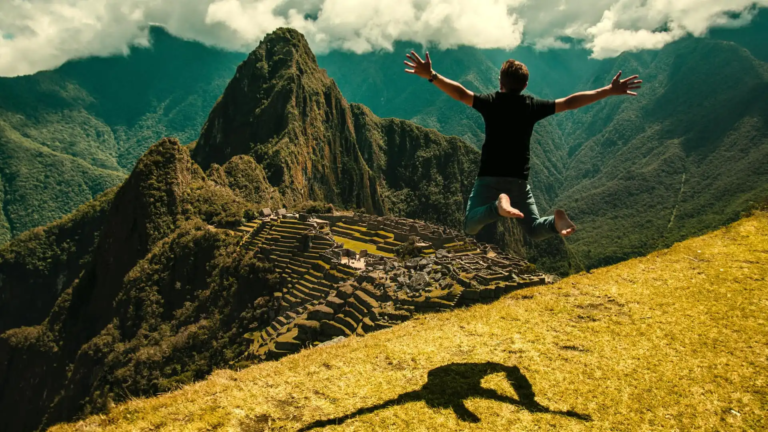
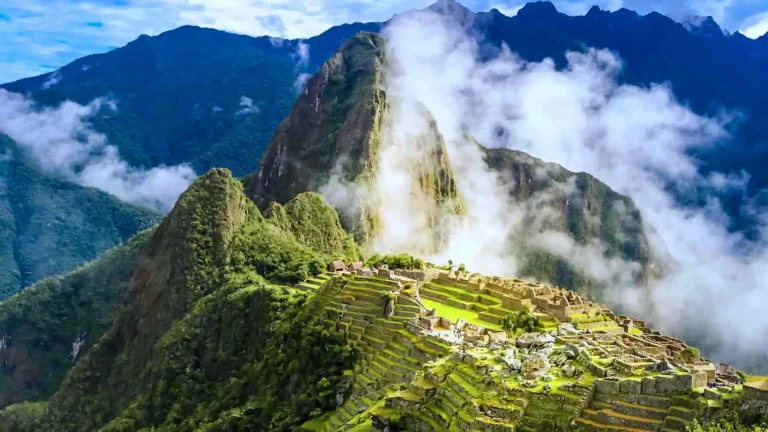
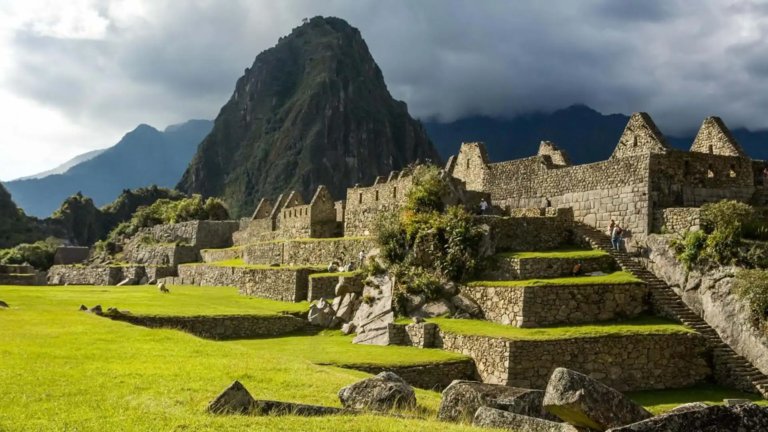
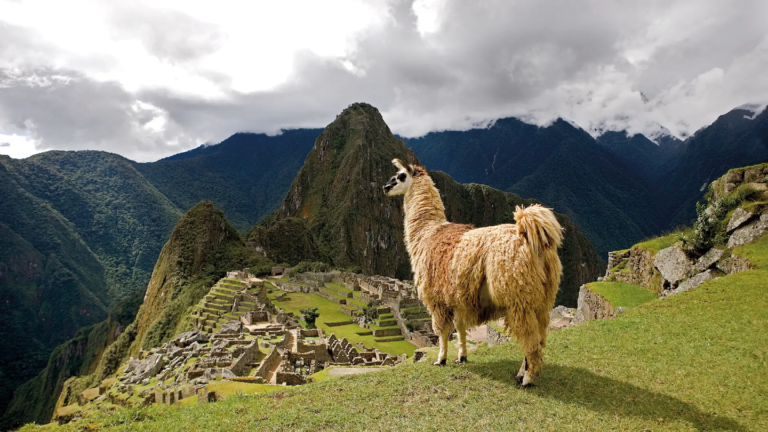
Huayna Picchu, which means “Young Mountain” in Quechua, was a sacred place for the Incas. Archaeological studies indicate that there were temples, agricultural terraces, and watch posts at the summit, highlighting its strategic and spiritual importance.
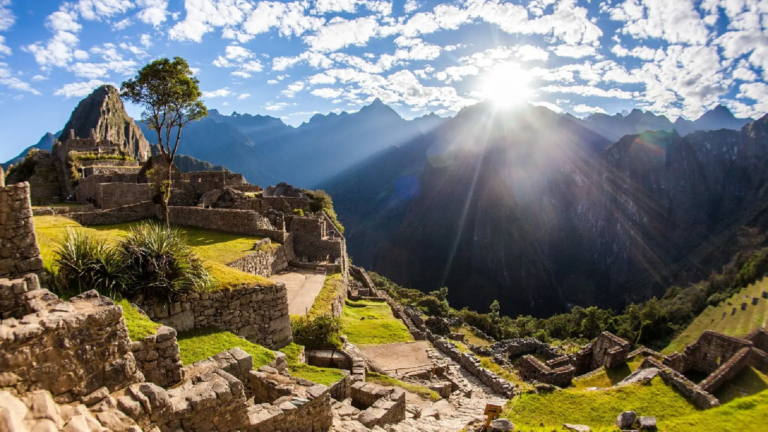
Climbing this mountain may have been reserved for priests or astronomers. The structures at the top were used for religious rituals, astronomical observations, and natural environment studies. It is said that from here, one could track the movement of the sun and moon—key elements in the Inca agricultural calendar.
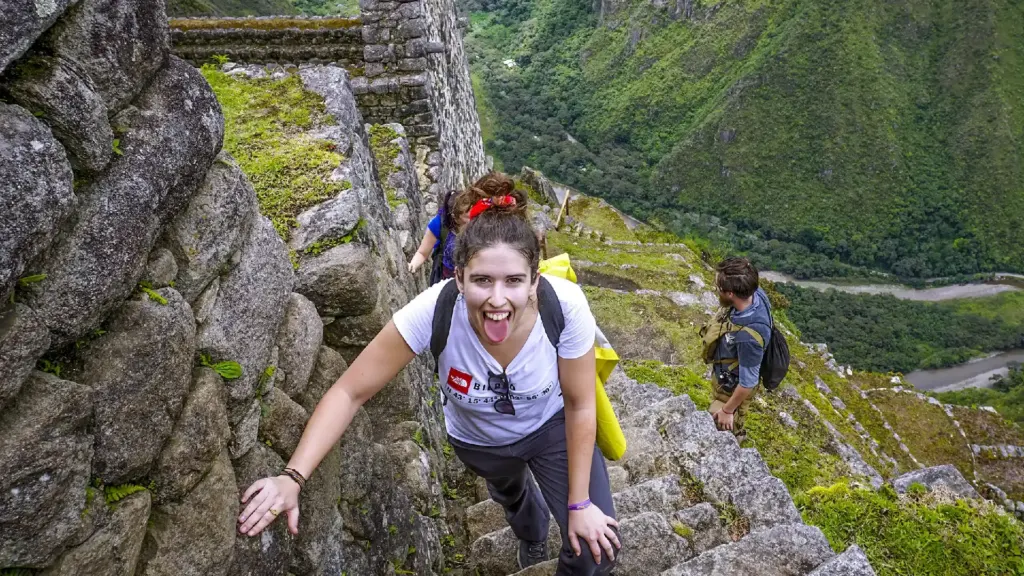
The presence of carved stairways, platforms, and stone buildings shows that Huayna Picchu was more than just a viewpoint; it was also a ceremonial site that reinforced the connection between man, nature, and the gods.
Conclusion
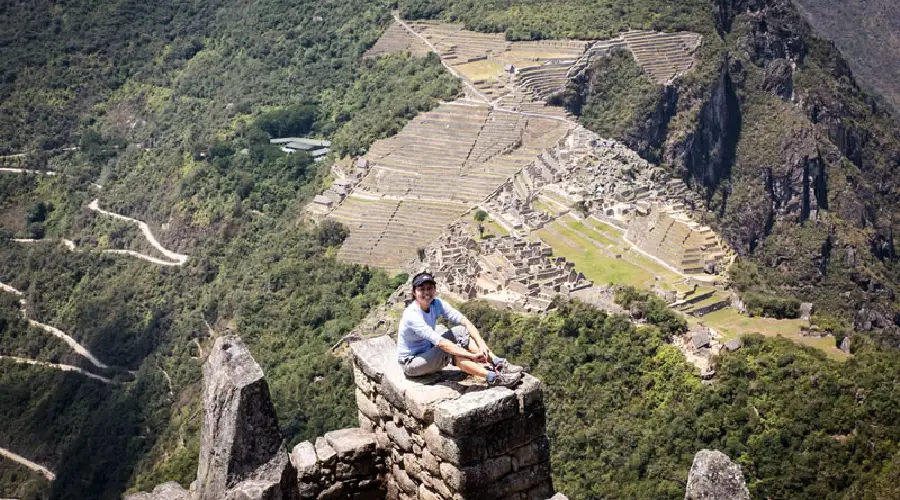
Climbing Huayna Picchu is one of the most thrilling activities within the Machu Picchu sanctuary. It’s not just a physical challenge, but a chance to witness the Inca legacy from a privileged, spiritually rich viewpoint.
Reaching its summit means feeling the power of the Andes and the wisdom of a civilization that mastered its geography and aligned itself with the cosmos. Each step along the trail is a conversation with the past, with nature, and with yourself.
Don’t miss out on including Huayna Picchu in your itinerary if you’re looking for a transformative experience during your visit to Machu Picchu.