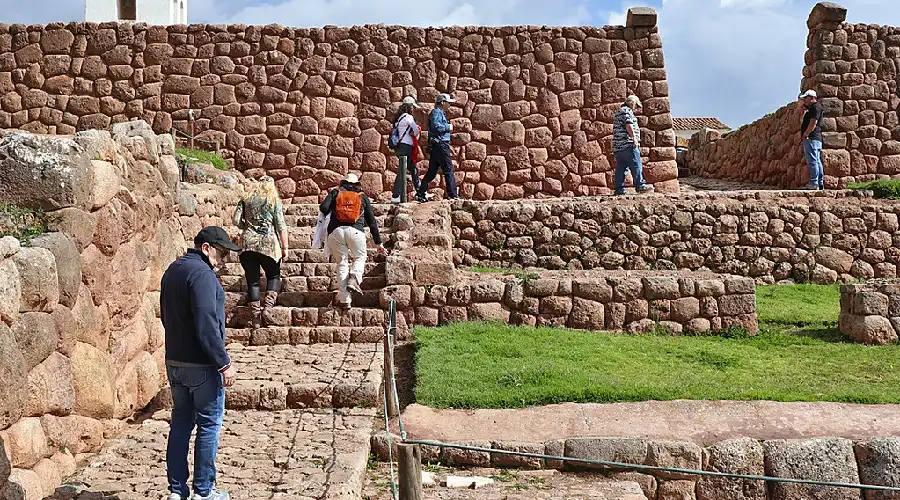
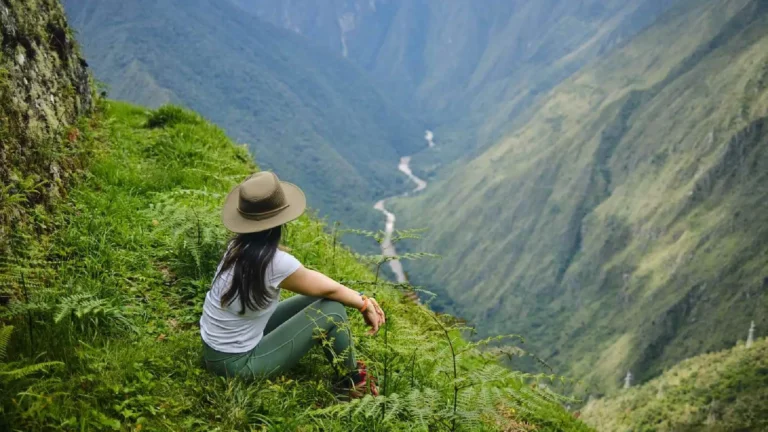
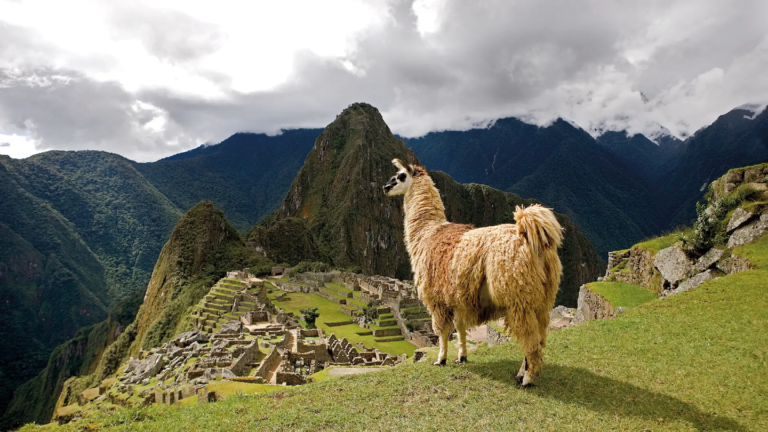
If you’re organizing a trip to one of the most recognized archaeological treasures in the world, Machu Picchu, get ready for a truly memorable adventure. Hidden among the high peaks of the Peruvian Andes, this ancient Incan sanctuary stands as a jewel of history and architecture. The time of year you choose to go can greatly influence your experience. In this guide, we’ll show you the ideal seasons to visit Machu Picchu, considering weather, tourist flow, and other essential aspects, so you can enjoy your journey to the fullest.
Classic Inca Trail: Quick Facts
| Duration |
4 days / 3 nights |
| Distance |
About 42 km (26 mi), from Kilometer 82 (Piscacucho) to Machu Picchu |
| Max altitude |
4,215 m (13,830 ft) at Warmiwañusca Pass |
| Difficulty |
Hard, especially the second day |
| Permits |
Required, with limited daily spots; they sell out months in advance |
| Annual closure |
All of February, for maintenance |
| Tour with HAHA Trips |
From US$770 per person |
Inca Trail Itinerary Day by Day
- Day 1: Km 82 – Patallacta – Huayllabamba. A hike along the Urubamba River, a view of the Patallacta complex, and camp at Huayllabamba (3,000 m / 9,840 ft). About 6 hours.
- Day 2: Huayllabamba – Warmiwañusca – Pacaymayu. The hardest day: about 9 km (5.6 mi) uphill to Warmiwañusca Pass (4,215 m / 13,830 ft) and down to the Pacaymayu campsite (3,600 m / 11,810 ft). About 6 hours.
- Day 3: Pacaymayu – Sayacmarca – Phuyupatamarca – Wiñay Wayna. The longest and most beautiful day: Runkurakay, Sayacmarca, Phuyupatamarca, an Inca tunnel, and camp at Wiñay Wayna (2,700 m / 8,860 ft). About 8 hours.
- Day 4: Wiñay Wayna – Sun Gate – Machu Picchu. A pre-dawn start toward Intipunku, the Sun Gate, your first view of Machu Picchu, and a guided tour of about 2 hours. Return to Cusco by train and bus.
Inca Trail Permits
Only authorized agencies can obtain permits, issued in each traveler’s name with their passport number. Daily spots are limited, so for the dry season it’s best to book several months in advance. Permits can’t be transferred or changed to another name. If you can’t get a spot, the 2-Day Short Inca Trail or the Salkantay Trek are great alternatives. See all the details of the 4-Day Classic Inca Trail.
Understanding Machu Picchu’s Climate
The weather at Machu Picchu is largely shaped by its Andean location, with two well-defined periods: the dry season and the rainy season. Knowing the characteristics of each will help you decide the best time to travel.
The Dry Season (April to October)
The dry months are the most sought after by travelers, and it’s easy to see why. Between April and October, skies are usually clear, and the sun shines brightly, offering perfect conditions for photography. This stretch of the year coincides with the high tourist season, especially from June to August, when visitors from around the globe arrive to marvel at the citadel.
Weather Conditions
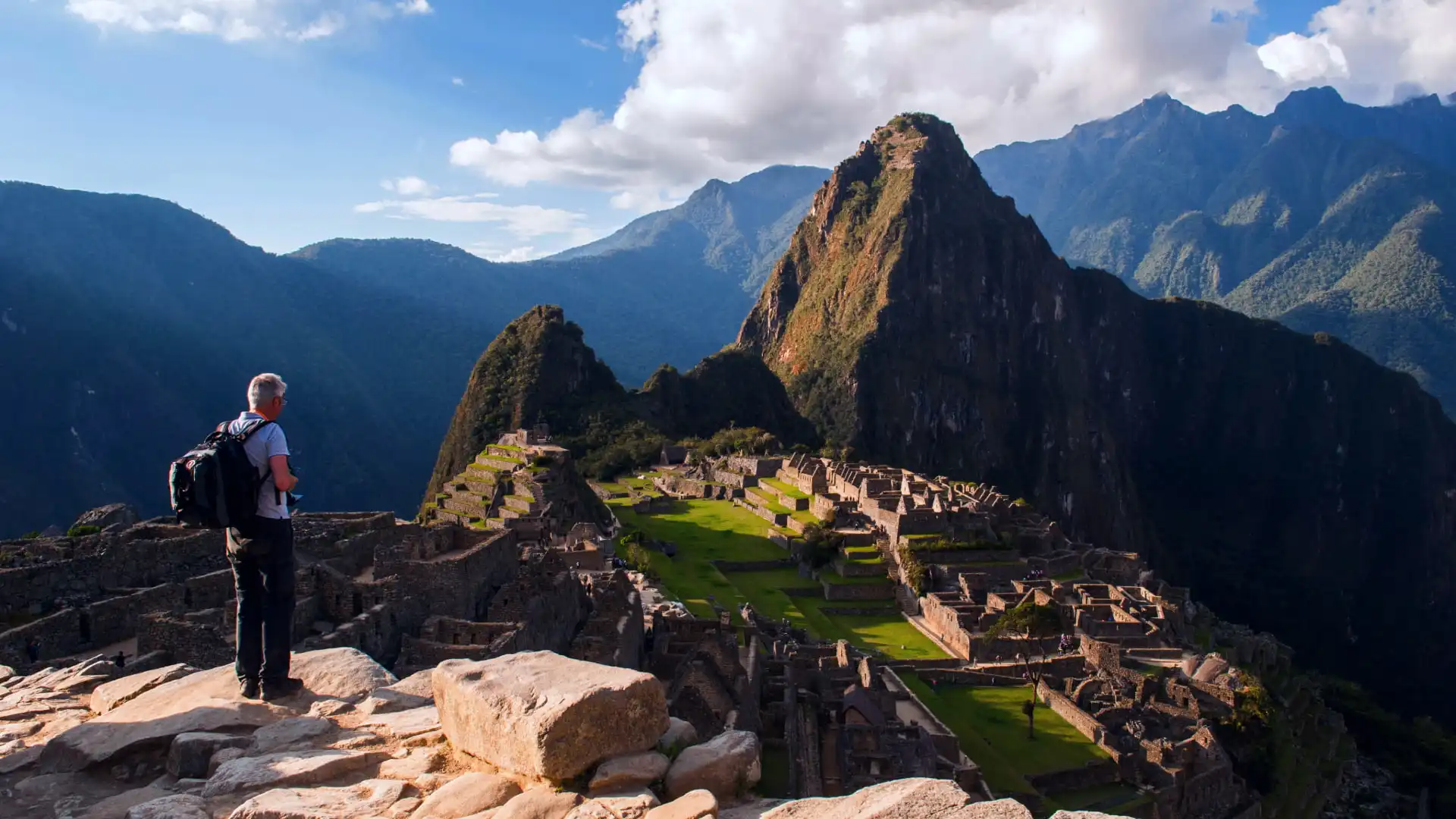
During this period, daytime temperatures average between 60–70°F (15–21°C). Evenings, however, can be quite cool, so bringing layers is essential. With almost no rain, trails are easier to navigate, making this season perfect for trekking.
Tourist Activity
Expect a lively vibe, since Machu Picchu becomes a meeting point for travelers from every corner of the planet. Although the crowds may be intense, many find the atmosphere energizing. To avoid setbacks, it’s advisable to book your tours and accommodations well ahead of time.
Cultural Events
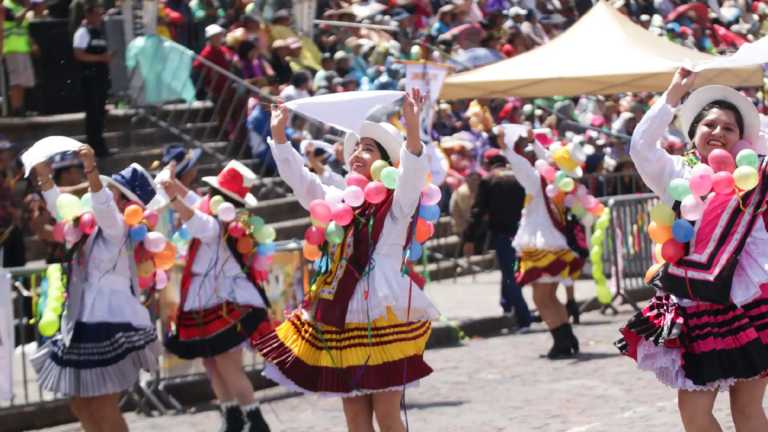
This season coincides with important cultural festivities, giving you the chance to witness traditions up close. The Inti Raymi (Festival of the Sun) in June is one of the most emblematic events, enriching your trip with Andean culture and vibrant celebrations.
The Wet Season (November to March)
Between November and March, rainfall is common. Although the number of tourists drops, trails become muddier, and fog often covers the site. This can add a mystical look to your photos, but it also requires extra flexibility in your plans.
Weather Patterns
Rain showers are frequent, sometimes heavy. Temperatures remain moderate, but high humidity makes it feel warmer. Waterproof jackets and suitable gear are essential for enjoying your visit comfortably.
Visitor Experience
With fewer crowds, you’ll find a calmer environment, ideal for those seeking peace and introspection. The mist and light rain create a dreamlike setting, and the reduced number of visitors lets you explore at your own rhythm.
Natural Beauty
In the rainy season, the landscape flourishes into intense greens. Wild vegetation, colorful flowers, and diverse fauna make this period appealing to nature enthusiasts. Keep in mind that weather can cause temporary trail closures.
Best Time of Year to Visit Machu Picchu
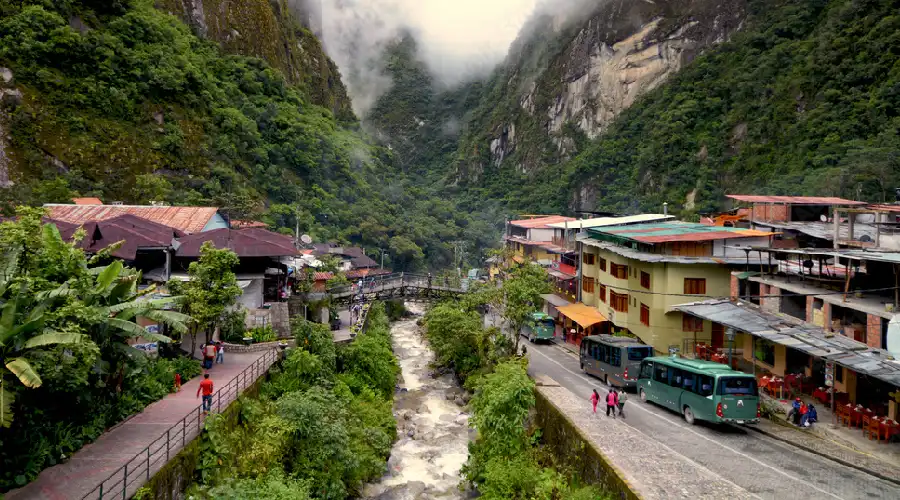
The ideal moment to visit will depend on what you prioritize: favorable weather, smaller crowds, or budget-friendly travel conditions.
Visiting in the Dry Season
- Pros: Clear skies, stable hiking conditions, and cultural festivities.
- Cons: Higher costs and more visitors.
If you’re looking for the best weather and don’t mind being among many other travelers, this season offers excellent opportunities to explore the site and its surrounding trails.
Peak Tourist Period
From June to August, the number of tourists peaks. Although the crowds are bigger, the cosmopolitan atmosphere can make your visit more dynamic and enriching, meeting people from all over the world.
Cost Implications
Due to demand, flights, hotels, and entrance tickets are more expensive. Planning a higher budget helps avoid surprises. For cheaper alternatives, treks like the Salkantay or Lares routes are great options with fewer tourists.
Optimal Hiking Opportunities
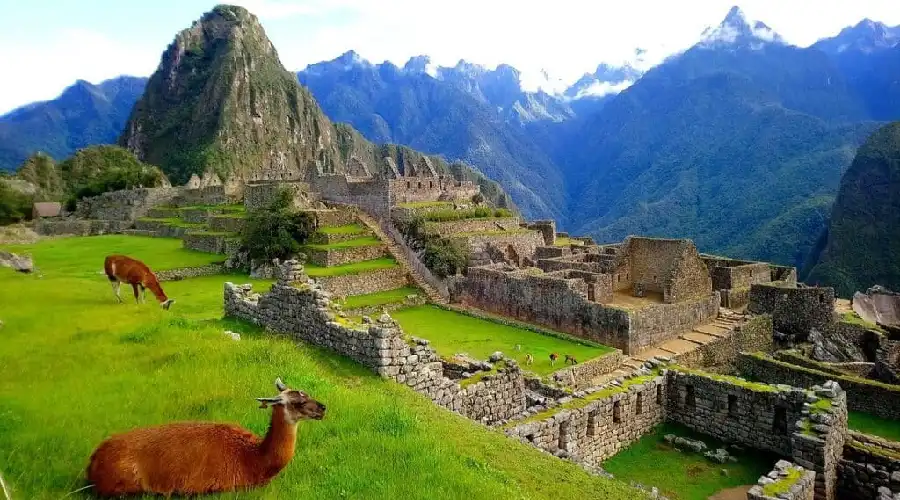
This is the most stable period for hiking. Trails remain safe and dry, which makes routes like the Inca Trail or other alternatives more enjoyable.
Visiting in the Wet Season
- Pros: Lower costs, fewer people, spectacular green scenery.
- Cons: Frequent rain, occasional closures of trails.
If you prefer solitude and are not bothered by the rain, the rainy season is rewarding. The landscapes are at their most vibrant, and prices are significantly lower.
Budget-Friendly Travel
Lower demand during these months translates into cheaper tours, accommodations, and flights. A good choice for travelers who want to save money while still experiencing Machu Picchu.
Weather Preparedness
Carrying waterproof gear and keeping your schedule flexible are key strategies. Sometimes unexpected rain leads to unforgettable moments, like watching fog drift across the mountains.
Best Time of Day to Visit Machu Picchu
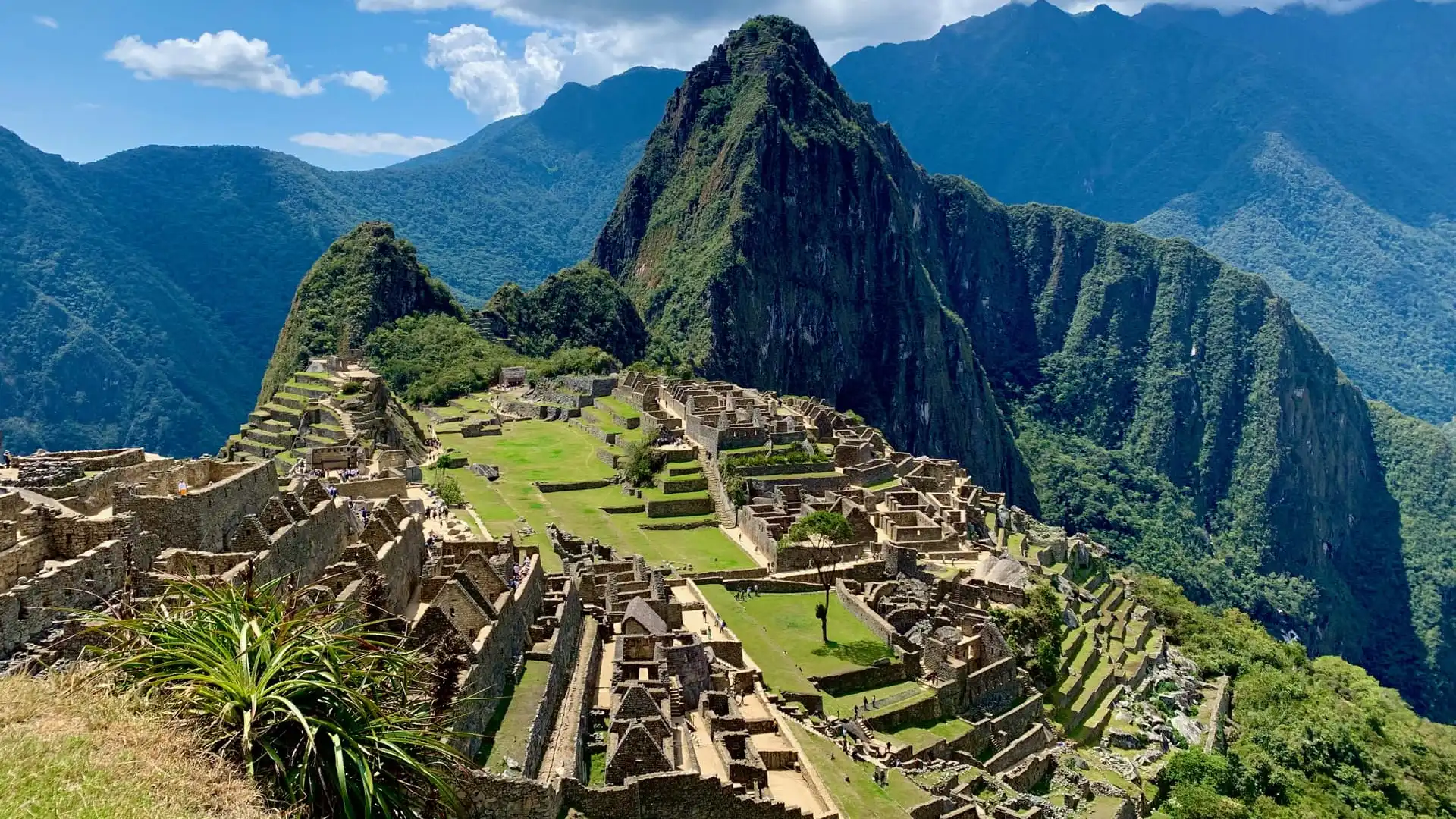
The time of day also influences your visit and experience at the citadel.
Early Morning Visits
Arriving at dawn lets you witness the sunrise, one of the most magical experiences Machu Picchu offers. The place is calmer, the light is soft, and photography opportunities are unmatched. Bring warm clothes since mornings can be cold.
Afternoon Visits
By the afternoon, many groups have left, so the site is quieter. The sunlight takes on a golden tone, bathing the stones with a unique glow. Rain is more likely in this timeframe, particularly in the rainy season, so bring a light poncho or jacket.
Tips for Planning Your Machu Picchu Adventure

Keep in mind these practical suggestions for a smoother trip:
- Reserve tickets and tours well in advance, especially for Huayna Picchu or Machu Picchu Mountain.
- Spend a few days acclimating in Cusco or the Sacred Valley before your visit.
- Pack efficiently with layers, sun protection, and a sturdy pair of hiking shoes.
- Respect the site by following the rules and contributing to its preservation.
Choose the Perfect Season for Your Machu Picchu Journey
Planning your trip to Machu Picchu with the right timing ensures an unforgettable adventure. Whether you opt for the dry season’s energy or the rainy season’s tranquility, this World Wonder promises a once-in-a-lifetime experience in the heart of the Andes.
Machu Picchu and Ausangate Treks Compared
| Trek |
Days |
Max altitude |
Difficulty |
Reaches Machu Picchu |
Special permit |
| Classic Inca Trail |
4 |
4,215 m / 13,830 ft (Warmiwañusca) |
Hard |
Yes, on foot through the Sun Gate |
Yes, limited spots; closed in February |
| Salkantay Trek |
5 |
4,600 m / 15,090 ft (Salkantay Pass) |
Moderate to challenging |
Yes, ending in Aguas Calientes |
No |
| Lares Trek |
4 |
4,646 m / 15,240 ft (Sacsallaully Pass) |
Moderate to hard |
Yes, by train from Ollantaytambo |
No |
| Ausangate Trek |
5 |
5,200 m / 17,060 ft (Palomani Pass) |
Hard |
No |
No |
Data from our tours. Torn between the Inca Trail and the Salkantay? We help you decide in Salkantay Trek vs Inca Trail.
Inca Trail FAQ
How long is the Inca Trail?
The Classic Inca Trail is about 42 km (26 mi) long, from Kilometer 82 to Machu Picchu, and takes 4 days.
How hard is the Inca Trail?
It’s demanding. On the second day you climb to Warmiwañusca Pass at 4,215 m (13,830 ft), and there are many Inca stone stairways. With acclimatization and average fitness, most travelers complete it.
How far in advance should you book the Inca Trail?
For the dry season, from May to September, it’s best to book several months in advance, because daily permits are limited.
Is the Inca Trail open year-round?
No. It closes all of February for maintenance. The rest of the year it’s open, with wetter trails from November to March.