Machu Picchu Mountain: A Panoramic Adventure Above the Clouds
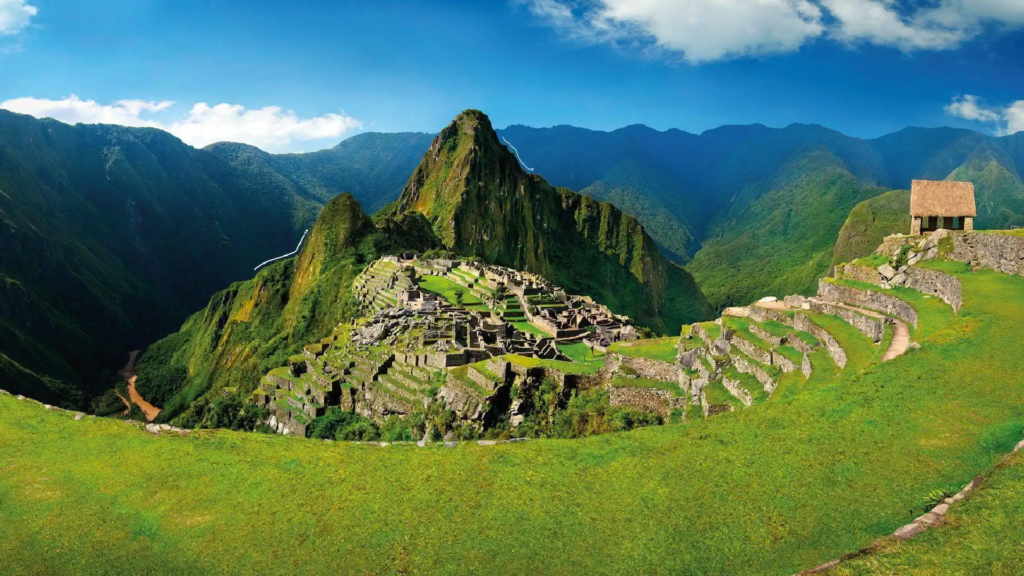
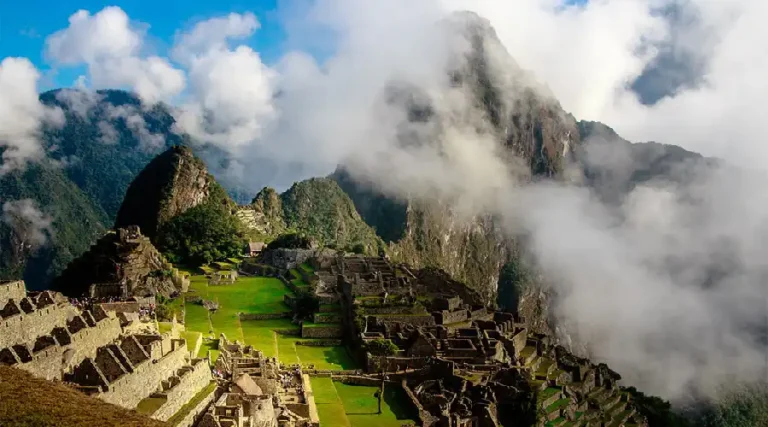
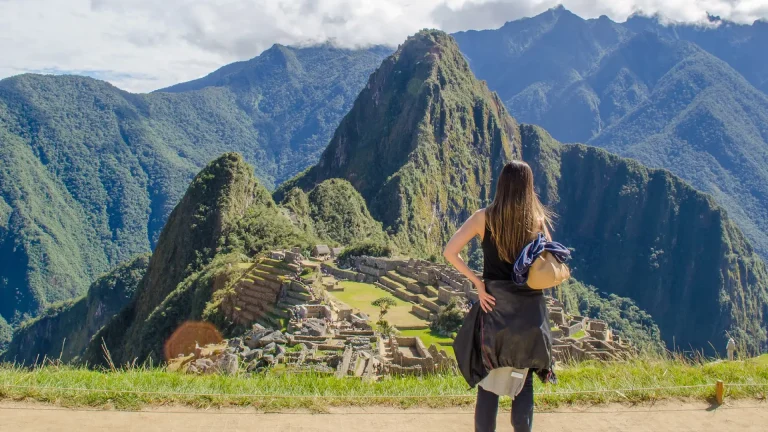
Machu Picchu Mountain is one of the most striking spots in the historic sanctuary, offering a privileged view of the citadel and the Urubamba Valley from high above.
Rising more than 3,000 meters above sea level, this mountain is part of an alternative circuit that gives visitors a unique physical, natural and visual experience, ideal for hiking lovers and anyone chasing spectacular panoramic views.
In this guide you will learn about its history and symbolism, how to get there, what to expect and how to prepare to conquer one of the most exciting routes at Machu Picchu. Learn more->
Historical and Cultural Importance of Machu Picchu Mountain
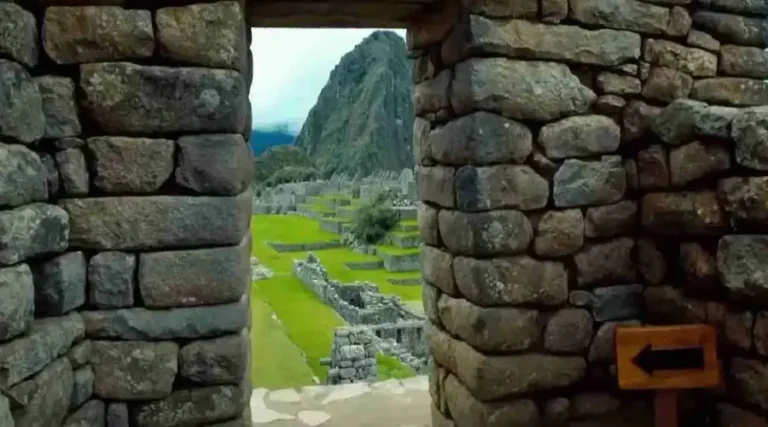
Although Machu Picchu Mountain has no archaeological structures like Huayna Picchu, its significance lies in its protective and symbolic role in the Inca worldview. Overlooking the citadel from the south, it is believed to have been part of the sacred landscape, and its summit was regarded with respect and devotion.
The Incas attributed spiritual power to mountains, which they considered «apus,» or guardian spirits. Machu Picchu Mountain would have been one of those natural guardians, watching over and protecting the city from above.
In addition, because of its height, it was probably used as an astronomical observation point and a ceremonial connection to the heavens.
Geographic and Natural Features of Machu Picchu Mountain
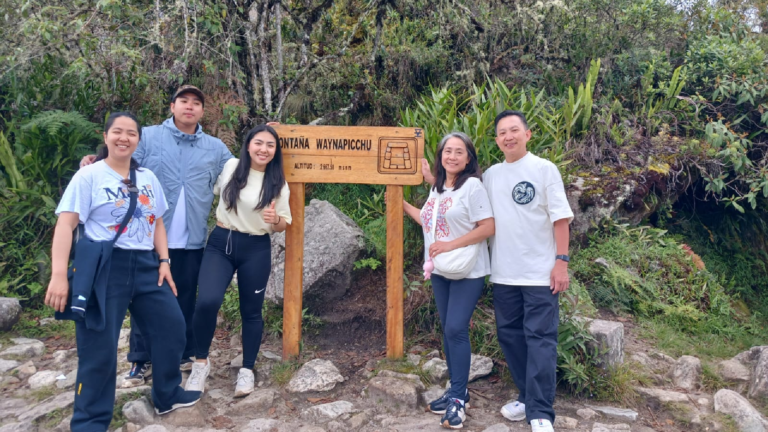
Unlike the temples, Machu Picchu Mountain is a natural wonder that challenges the body and rewards the soul. Its trail is longer but less steep than the Huayna Picchu trail, which makes it ideal for hikers in good physical shape.
Its main features include:
- Altitude: About 3,082 m (10,111 ft) above sea level, it is the highest accessible point within the archaeological site.
- Stone trail: Built with original Inca steps and restored sections.
- Flora and fauna: Along the way you can spot orchids, bromeliads and Andean birds.
- Panoramic view: From the summit you get a complete view of Machu Picchu, the Urubamba River and the surrounding mountains.
The combination of physical effort, contact with nature and dreamlike views makes this route an unforgettable experience.
Legends and Symbolism of Machu Picchu Mountain
Machu Picchu Mountain is considered an apu, that is, a sacred mountain that protects and spiritually guides the community. In Andean tradition, every mountain has a divine consciousness, and this one is no exception.
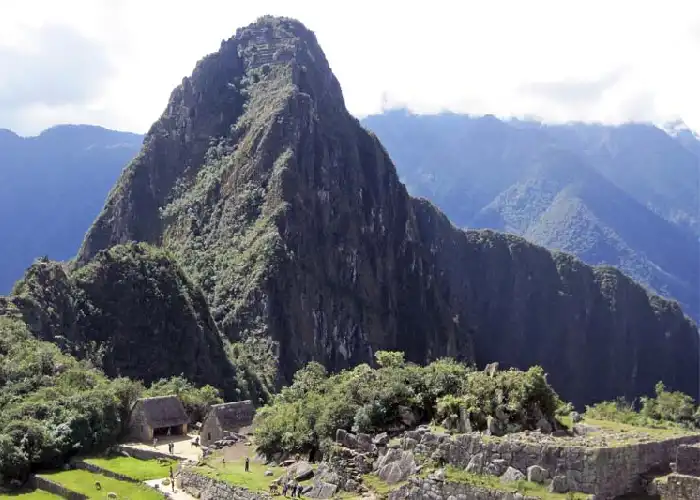
Some local legends say that Inca priests communicated with the gods from its summit through rituals and offerings. It is also said that only the chosen ones could climb to these places to reach a state of spiritual enlightenment.
Its majestic shape, towering over the citadel, has inspired respect from ancient times to the present day.
The Visitor Experience on Machu Picchu Mountain
Climbing Machu Picchu Mountain is one of the most exciting adventures you can have in the sanctuary. The hike takes about 3 to 4 hours (round trip), depending on your pace and fitness level.
What you can expect on your visit:
- Moderate physical challenge: Ideal for those looking for a demanding but doable hike.
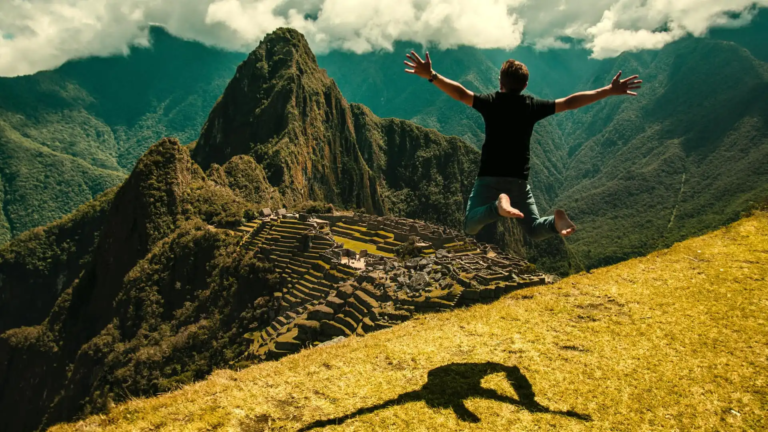
- Unmatched views: The summit offers one of the best postcard views of Machu Picchu and its neighboring mountains.
- Fewer crowds: Since it is less popular than Huayna Picchu, the trail is more peaceful.
- A moment of connection: The natural surroundings and the silence invite reflection and a deeper connection with nature.
It is an experience that combines adventure, nature and spirituality.
Tips for Climbing Machu Picchu Mountain
To enjoy your climb up Machu Picchu Mountain safely and comfortably, keep these tips in mind:
- Book in advance: Access to the mountain is limited and must be booked together with your Machu Picchu entrance ticket.
- Wear good footwear: Use hiking shoes with good grip, especially in the rainy season.
- Stay hydrated: Bring enough water and some fruit or a light snack.
- Don’t rush: Take all the time you need and enjoy the trail.
- Protect yourself from the sun: Bring a cap, sunglasses and sunscreen.
Conclusion
Machu Picchu Mountain is much more than a viewpoint: it is a transformative experience that connects visitors with the majesty of the Andes, the spirit of the place and the greatness of the Inca civilization.
Whether for its natural beauty, its sacred symbolism or the physical challenge it represents, climbing this mountain is one of the most authentic ways to experience Machu Picchu. It is a hike that ends with the satisfaction of having seen the world from the very top.