






If you seek the heart of the Inca Empire, you will find it in Ollantaytambo. Known as the “Living Inca City,” it is the only place where people still live in buildings dating back to the 15th century. At 2,792 meters above sea level, it is the perfect strategic point between Cusco and Machu Picchu.
In this 2026 guide, we won’t just tell you the History of Ollantaytambo Sacred Valley; we’ll give you real tips to explore the ruins like an expert, avoiding crowds and finding the best views.
The Inca Legacy: Why Ollantaytambo is Unique
Unlike other archaeological sites that fell into oblivion, Ollantaytambo Sacred Valley tells us that this place was a royal estate of Emperor Pachacútec and a massive agricultural center. Its urban design has remained intact since the 15th century: narrow stone streets and original water channels that, incredibly, still function today.
Expert fact: This was one of the few places where the Incas, under the command of Manco Inca, defeated the Spanish in an epic battle. That spirit of resistance is felt in every one of the more than 200 steps you must climb to reach the top of the fortress.
Architectural Wonders of the Fortress
1. The Temple of the Sun: An Engineering Mystery
In the highest area of the Fortress of Ollantaytambo, you’ll come across six giant pink granite monoliths. Each block weighs more than 50 tons. The great question that fascinates travelers in 2026 is: How were they brought from a quarry 6 kilometers away, crossing the Vilcanota River and hauled up the mountain? It remains the greatest engineering mystery of the Andes.
2. Agricultural Terraces: Sustainable Engineering 2026
Don’t think these terraces are just for photos. In Ollantaytambo Sacred Valley, these terraces served two vital functions: they protected the mountain from erosion and functioned as climate laboratories to grow the largest and most nutritious corn in the empire. Today, they are a perfect example of how the Incas mastered sustainable agriculture long before it was trendy.
Exploring the Sacred Valley: Much More than Ollantaytambo
Although Ollantaytambo is the crown jewel, the Ollantaytambo Sacred Valley would not be complete without mentioning the other centers that fed and protected the Empire. In 2026, these spots are must-stops to understand how the Incas dominated the Andes.
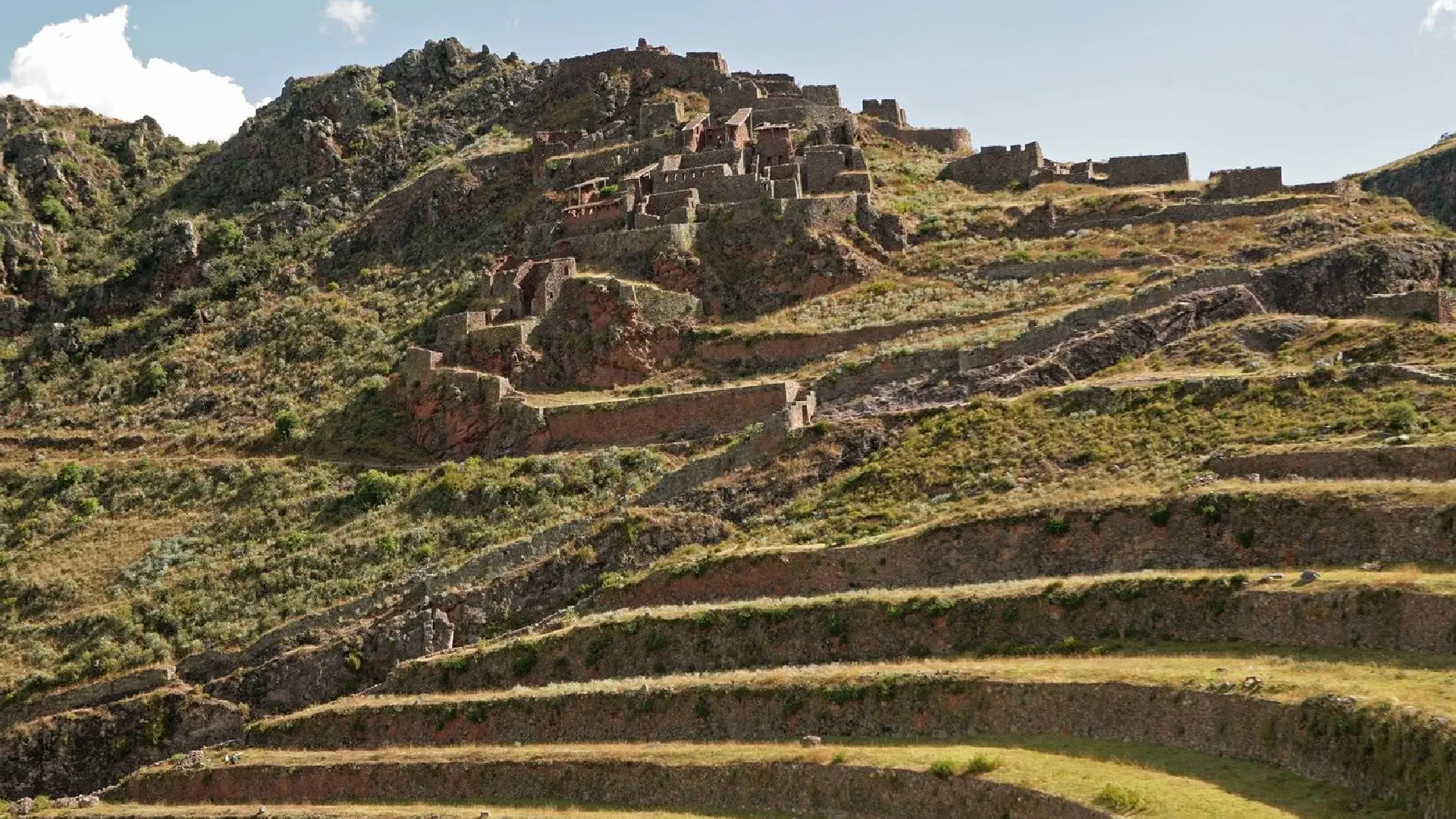
1. Pisac: The Sentinel of the Valley
Famous for its massive cemetery carved into the mountain and the most vibrant craft market in Cusco. Its terraces are the most extensive in the region, proving that in the Ollantaytambo Sacred Valley, security and agriculture went hand in hand. The views from here are out of this world!
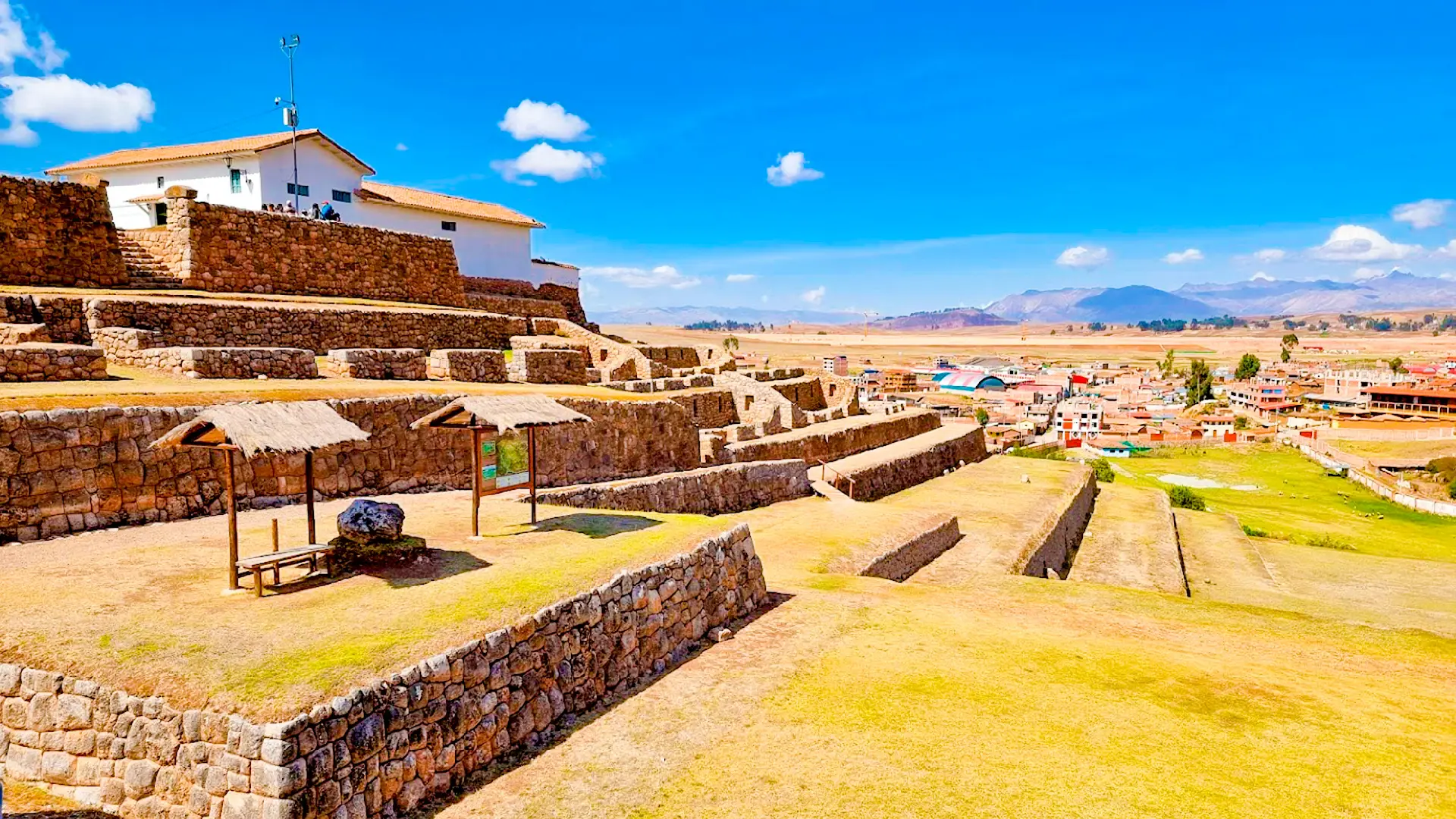
2. Chinchero: The Place Where the Rainbow is Born
At 3,762 meters above sea level, this town is a living museum. Here you’ll see how local communities keep ancient weaving techniques alive. The remains of what was the royal estate of Inca Túpac Yupanqui will help you understand the luxury and spirituality of the Inca nobility.
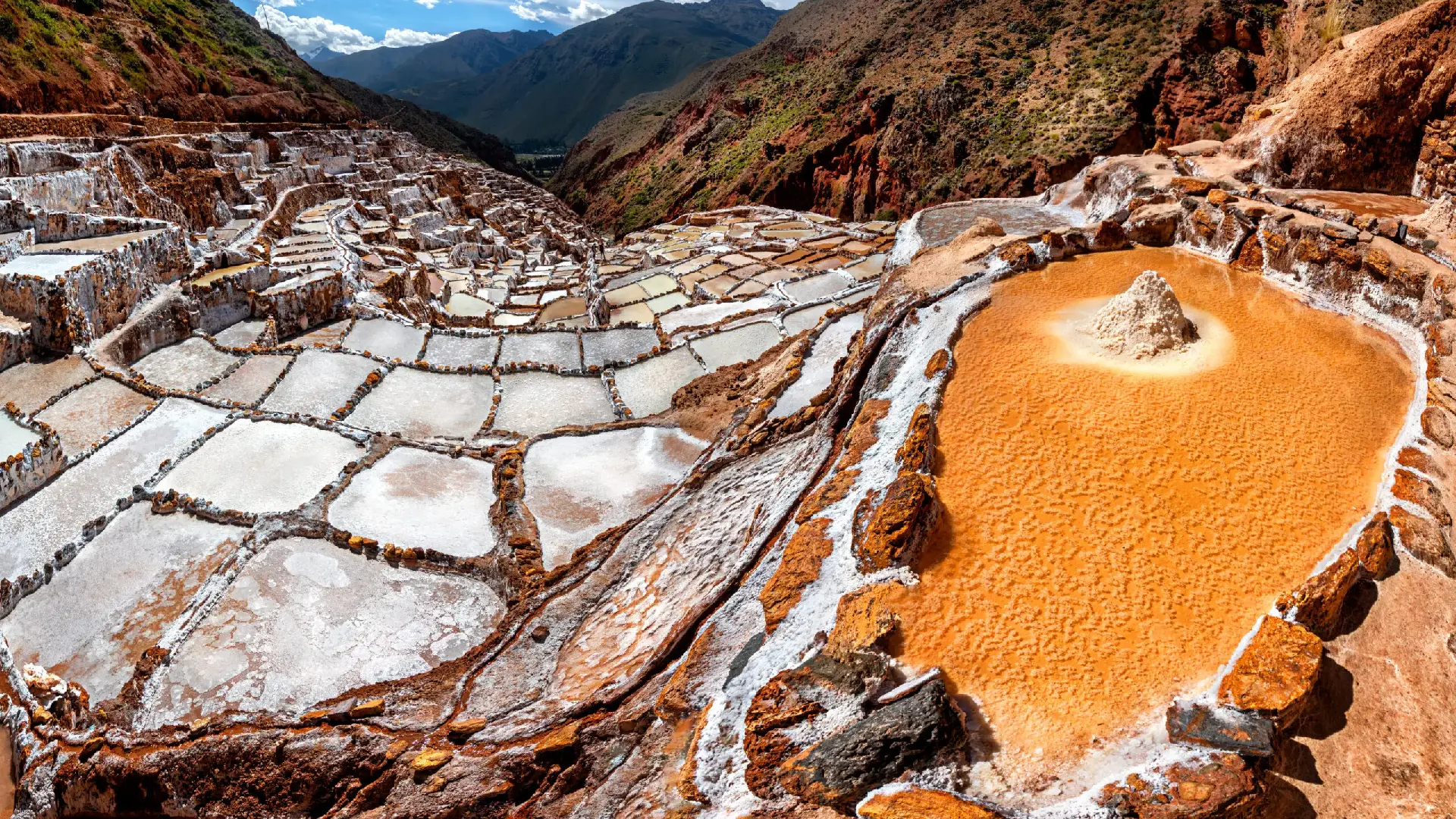
3. Moray and the Maras Salt Mines: Science and Resource
If you want to see the “NASA” of the Incas, you have to go to Moray. Its circular terraces functioned as an agricultural laboratory where they experimented with seeds from different altitudes. Just minutes away, the Maras Salt Mines will leave you speechless with more than 3,000 white salt pools that have been harvested the same way since before the arrival of the Spanish.
2026 Travel Tips: How to Visit Ollantaytambo and the Sacred Valley
For your experience in the Ollantaytambo Sacred Valley to be 10/10, it’s not enough to just know the ruins; you need to know how to move at altitude and respect the land you walk on. Here are the “golden tips” that only a local expert would give you.
1. Acclimatization: The Secret is to Go Lower
Although Cusco is the capital, it sits at 3,400 meters above sea level. An expert trick to avoid altitude sickness is to go directly from the airport to the Sacred Valley (2,800 meters above sea level). Spending your first two nights here will help your body adapt much better before climbing the Fortress of Ollantaytambo or heading to Machu Picchu.
2. The Best Time for Your Adventure
If you’re looking for photos with electric blue skies, come between May and September (dry season). If you prefer to see the valley at its greenest with fewer tourists, April and October are key months. Avoid February, as the rains can close some trekking routes.
3. Transportation and Accessibility
You can get here by “colectivos” from Pavitos Street in Cusco, but if you want to make the most of the day and see Maras and Moray along the way, the best option is a private or shared tour. Remember to bring trekking shoes with good grip; the stones of the Ollantaytambo Sacred Valley are over 500 years old and can be slippery.
4. Cultural Etiquette: Respect the Land
You are in a sacred place. Ask permission before taking photos of locals in their traditional clothing and please never move or take stones from the ruins. Participating in tours led by local communities not only enriches your trip, but supports the real economy of Cusco.
Conclusion: The Heart of the Empire Awaits You
The Ollantaytambo Sacred Valley History is a tapestry of engineering, resistance, and natural beauty that remains alive. Whether you seek adventure at altitude or a deep connection with the Inca past, this corner of the Andes has a place for you.
Ready for the trip of a lifetime? Don’t let others tell you about it. Check our available tours and secure your spot for 2026.
Frequently Asked Questions: Ollantaytambo and the Sacred Valley 2026
1. What is the best time to visit the ruins of Ollantaytambo?
The ideal time is to arrive before 9:00 am or after 3:30 pm. At those hours you’ll avoid the large groups coming from full-day tours and will have the Ollantaytambo Sacred Valley History almost to yourself, with perfect light for photos.
2. Is it difficult to climb the Fortress of Ollantaytambo?
The climb has about 200 stone steps. It’s not technical, but due to the altitude (2,792 meters above sea level), you’ll run out of breath quickly. Take it easy, rest on the intermediate terraces, and enjoy the view of the town from above.
3. Can you buy a ticket just for Ollantaytambo?
No. To enter you need the Cusco Tourist Ticket. You can buy the “Partial” (which lasts 2 days and includes Pisac, Chinchero, Moray, and Ollantaytambo) or the “General” (which lasts 10 days and includes museums and Sacsayhuamán).
4. How do I get from Ollantaytambo to Machu Picchu?
Ollantaytambo is the most important train station to Aguas Calientes. The trip takes approximately 1 hour and 45 minutes. We recommend booking your tickets with PeruRail or Inca Rail at least 2 months in advance during peak season.
5. What clothes should I bring for the Sacred Valley tour?
The climate in the valley is deceiving. Bring layered clothing: a light t-shirt, a thermal shirt or jacket, and very importantly, a rain poncho. Don’t forget sunscreen and sunglasses, as the Andean sun burns hard even when it’s cloudy.
6. Is it worth staying overnight in Ollantaytambo?
Absolutely! Sleeping in the “Living Inca City” allows you to see the sunrise over the mountains and explore the town at night, when the cobblestone streets look magical. It also helps enormously with acclimatization before going to Machu Picchu.