Sacred Valley of Peru: Heart of the Inca Civilization. Nestled in the majestic Andes, the Sacred Valley of the Incas is a must for anyone who wants to step into the heart of this ancient civilization. From Pisac to Ollantaytambo, this mosaic of breathtaking landscapes, living cultures and deep history offers experiences for executives looking for a quick getaway, photographers chasing the perfect shot and researchers seeking cultural insight. This route is not just a tourist destination, but a journey that connects visitors with Inca grandeur and the essence of the Andes. For a broader view of the region, many travelers combine this experience with a Cusco City Tour for a well-rounded itinerary.
Origins and Significance of the Region
Known in Quechua as “Wilcamayu”, this agricultural and ceremonial corridor was the breadbasket of the Inca Empire thanks to its fertile terraces and its strategic location along glacier-fed rivers. The basin allowed Andean civilization to become one of the most advanced on the continent, providing food, protection and a spiritual framework in harmony with the mountains. This is where techniques that still amaze us today were perfected: channels that tame steep slopes, terraces that multiply farmland and microclimates, and a water management system that reflects collective intelligence and respect for nature.
Strategic Importance
Beyond agriculture, the geography served as a natural defense and as a political and administrative hub. The gorges formed walls, the rivers served as supply arteries and the proximity to the ancient capital made communication, refuge and territorial control easier. Caravans carrying corn, potatoes and textiles set out from these valleys, as did messengers who crossed the mountains on perfectly laid-out routes. This backbone sustained the Tahuantinsuyo in terms of food, military power and symbolism.
Fortifications and Roads
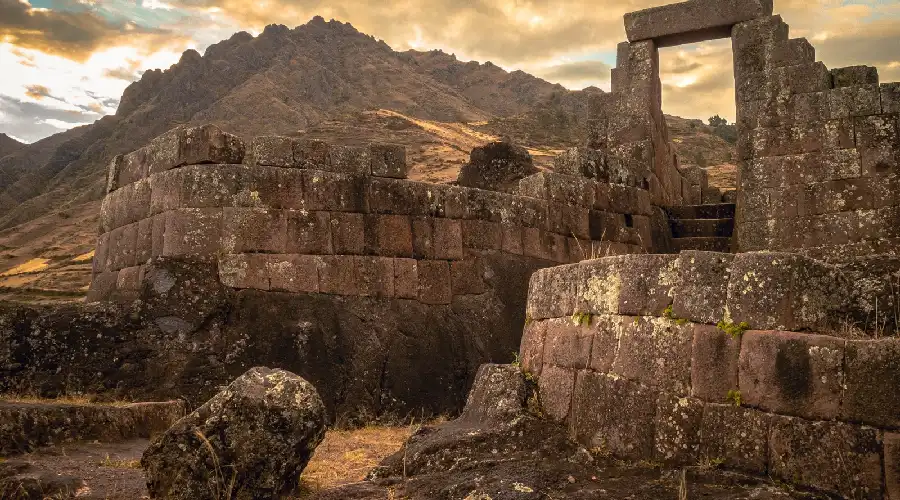
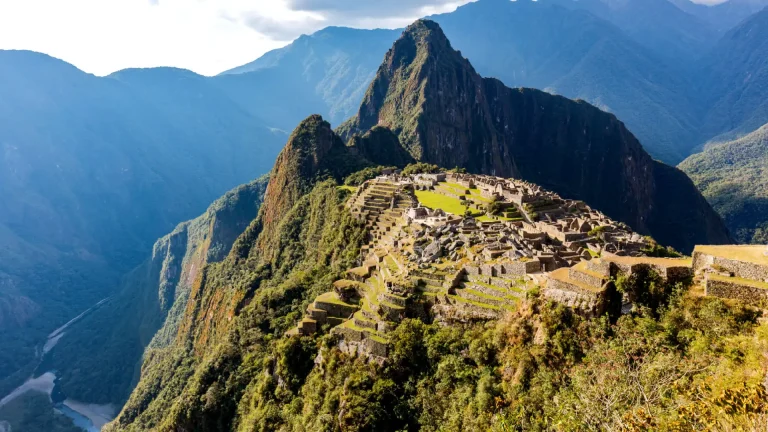
The peaks hold remains of watchtowers and signal posts that were part of the great Qhapaq Ñan road network. This system linked communities, shrines, administrative centers and storehouses, ensuring trade, mobility and the exchange of knowledge. Walking the ancient trails helps you understand how the land was designed to unite peoples, balance economies and strengthen identities.
Agricultural Innovation and Water Management
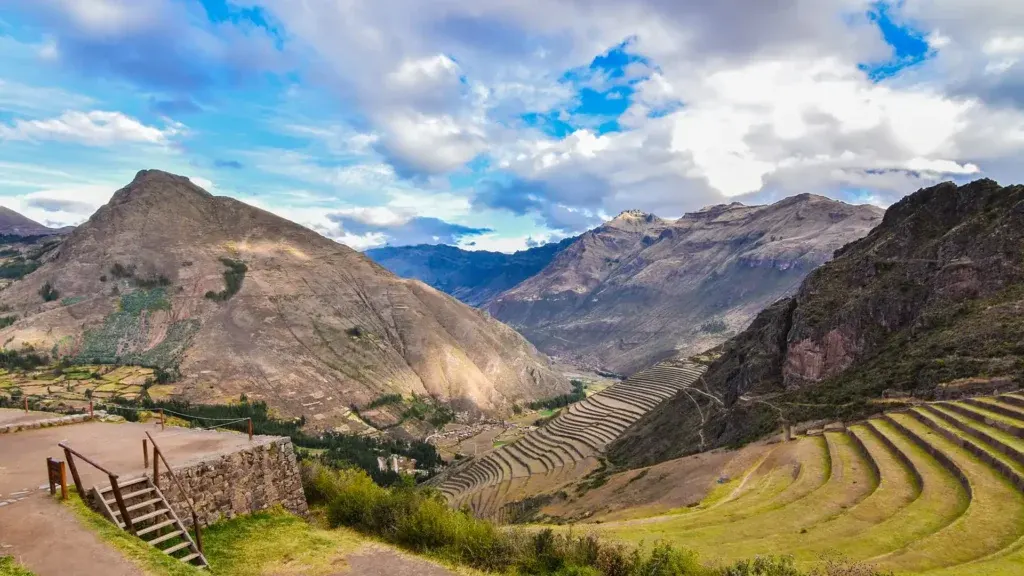
The mountains demanded creative ingenuity. Hillsides were turned into stepped fields that stabilize the soil and capture heat; channels divert water with precision; intakes distribute the resource fairly among families. The result is a productive landscape that adapts to the cycle of rain and drought, and that can still be read today as a manual of ecological engineering.
Microclimates and Crop Diversity
The orientation of the terraces, their altitude and their distance from the river create temperature gradients that broaden the range of crops. Potatoes thrive on the colder levels; corn grows well in temperate areas; quinoa adapts to the zones in between; and vegetables, tubers and legumes are rotated to protect the soil. This productive web was also a gene bank that sustained the food diversity of the Andes and, by extension, of much of the world.
Irrigation Network and Sustainability
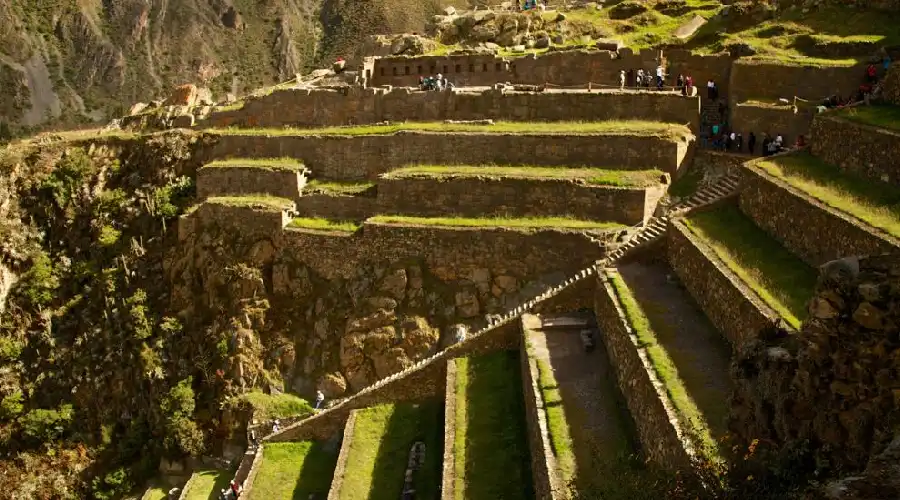
Ancestral hydraulics balance harvests and risks. Aqueducts, sluice gates and water stairways spread the flow throughout the year. The principle is clear: use without depleting, repair after every season and maintain the infrastructure as a community task. This model of water governance, based on agreements and collective work, now inspires climate adaptation and regenerative agriculture initiatives.
Spiritual Dimension and Cultural Fabric
Mountains, rivers and constellations formed a single sacred map. Temples and enclosures were aligned with the solstices and equinoxes; the apus (mountain spirits) guided ceremonies of thanksgiving; and the Pachamama received offerings to ensure balance. The agricultural calendar was intertwined with the night sky, and each stage of the cycle (sowing, irrigation, harvest, rest) carried a meaning that went beyond the material.
Pilgrimages, Rituals and Daily Life
Ceremonial centers, plazas and terraces with ritual functions show how the sacred and the everyday coexisted. Festivals brought together communities from different ecological zones, who exchanged food, textiles and news. By sharing dances, music and stories, people renewed their bonds and strengthened the network we can still feel today as we travel through villages, markets and craft workshops.
Astronomy Applied to Agriculture
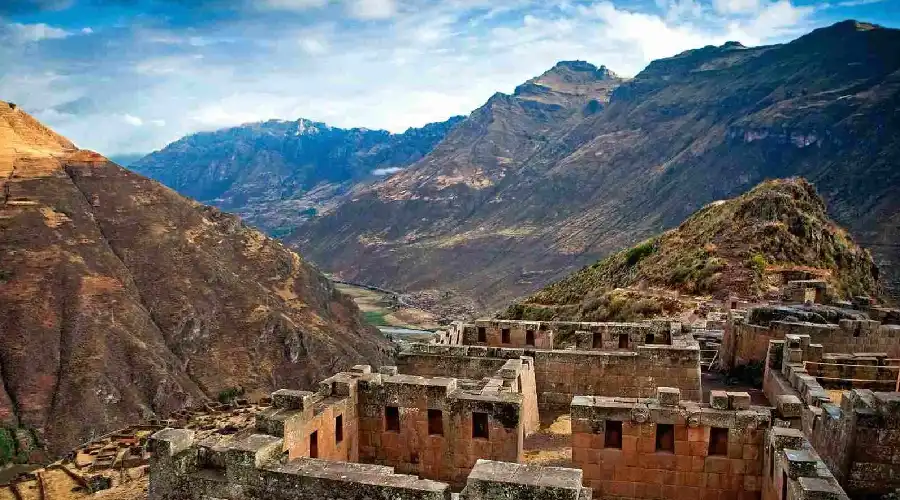
Observing shadows and solar alignments indicated when to sow, prune, irrigate or harvest. Stone markers and precisely carved niches reveal a systematic knowledge of the sky. This was not astronomy for contemplation, but for decision-making: practical knowledge that turned the mountains into a living calendar and the crops into a symphony of seasons.
Exploring Today: History, Nature and Community
Anyone who travels through this region discovers layers of meaning: monumental architecture, high-altitude landscapes, farming techniques still in use and inherited crafts. You can explore it on foot along trails, by bike on rural roads, by car on scenic routes or on guided excursions that combine archaeology with community experiences. Each way of traveling opens a different window onto the land.
Must-See Destinations
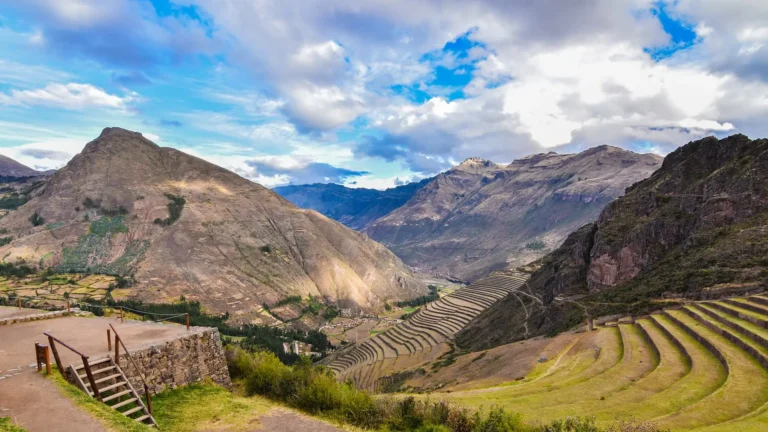
- Pisac: An archaeological complex with immense terraces and a ceremonial sector; a town with a colorful market where the weaving tradition is still thriving.
- Ollantaytambo: An Inca town layout that is still inhabited, with cobblestone streets and fortresses overlooking the valley. Starting point for train routes and famous treks.
- Moray: Agricultural amphitheaters that create microclimates; a living laboratory for understanding how species adapt.
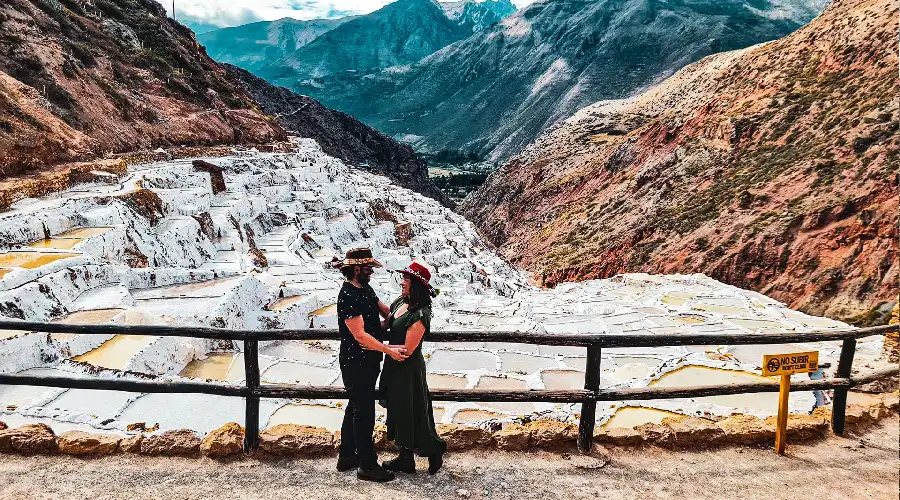
- Maras Salt Mines: Thousands of terraced pools fed by a saltwater spring; a mesmerizing landscape and an ancestral craft.
Expert Tips for a Well-Rounded Visit
- If you’re short on time, prioritize a circuit that combines an archaeological site, a local market and a scenic viewpoint.
- The best light for photography is at sunrise and sunset; plan your transfers around those hours.
- Wear shoes with good grip, a hat and sunscreen; the radiation at high altitude calls for constant care.
- Hire certified local guides: their stories about symbols, rituals and building techniques make every stop far more rewarding.
- Support workshops and host families: staying and eating in local homes brings you closer to everyday life and spreads the benefits of tourism more fairly.
Outdoor Adventure: Trails, Rivers and Peaks
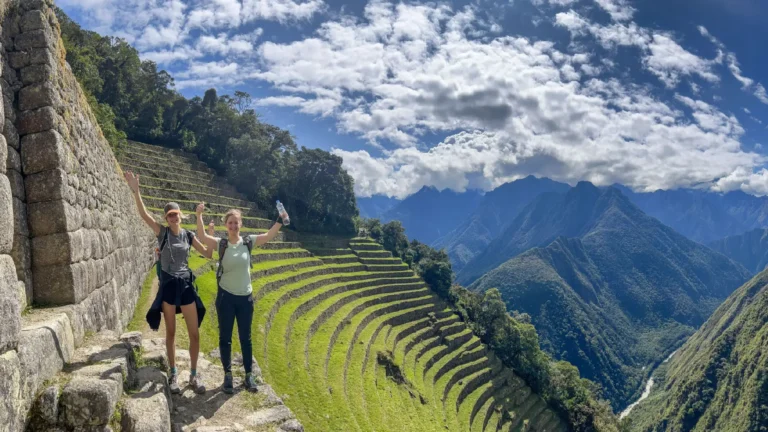
Walking among terraces and ravines means meeting the mountains in their purest form. There are short routes for acclimatizing, full-day hikes and multi-day treks for those looking for a challenge. The Urubamba River (also known as the Vilcanota) offers rafting sections in the right season; the nearby slopes are perfect for mountain biking; and the rock faces challenge climbers. The key is to find out about the weather, the difficulty and rescue logistics.
Traditions That Live On
At fairs and community workshops you can learn drop-spindle spinning, cochineal dyeing, loom weaving and pottery with ancestral iconography. Offerings to the earth with coca leaves and flowers are also made, led by local wise elders. These are experiences that go beyond the photo: they are about listening to stories, appreciating silences and understanding how identity is woven every day with hands, songs and rituals.
High-Altitude Flavors: Andean Cuisine
The regional cuisine combines tubers, Andean grains and aromatic herbs. Native potatoes in countless varieties; giant-kernel corn; hearty soups for cold nights; stews cooked in clay pots; grilled meats with herbs; wood-fired breads at dawn. Tasting chicha de jora (fermented corn drink), chuño (freeze-dried potato) in traditional dishes and quinoa desserts lets you explore the culinary memory of the mountains with every bite.
Practical Travel Guide
Planning wisely saves you trouble. The dry season, from May to October, brings clear daytime skies and cold nights; it is the busy season, so it’s best to book ahead. The rainy season, from November to April, brings green meadows and fewer crowds; keep an eye on road conditions and bring a rain jacket. Either way, be sure to factor in the altitude, the intense sun and the temperature swings within a single day.
How to Get There
From the regional capital, secondary roads connect towns, viewpoints and train stations bound for the high jungle. You can get around by public transportation, private vehicle or tourist services, or combine stretches on foot and by bike. Adjust the logistics to your own pace and leave room to stop at the viewpoints, workshops and markets that appear around every bend.
Where to Stay
- Luxury accommodations: Hotels with spas, signature cuisine and gardens open to the mountains; perfect for retreats and couples’ trips.
- Homestays: Simple rooms, home-cooked meals and stories by the hearth; the best way into local life.
- Hostels and inns: Budget-friendly options with up-to-date information on routes and transportation.
Safety and Health Tips
Acclimatize for one or two days before demanding routes; stay hydrated; avoid very heavy meals during your first days; and listen to your body. Carry cash in small bills for markets and communities; respect local rules, signage and restricted areas at archaeological sites; and try not to stray from marked trails. A responsible visit protects the environment while enriching your experience.
Suggested Itineraries
For half a day, combine a scenic viewpoint with a craft market. For a full day, add an archaeological site and a weaving workshop. In two days, mix an easy walk along the terraces, a visit to the salt mines or the agricultural amphitheaters and a traditional meal with a local community. With three or more days, add high-altitude treks or bike routes, always checking the weather, road conditions and real travel times.
Photography: Capturing the Mountain Light
Morning light draws sharp outlines; at sunset, shadows lengthen and golden tones appear. For landscapes, use wide shots from the upper terraces; for details, look for stone joints, channels and wall textures. Avoid blocking trails and respect sensitive areas. Patience often rewards you with scenes of herders, rising mist and birds crossing the ravines.
Responsibility and the Future of the Destination
Growing tourism brings both opportunities and challenges. Choosing licensed providers, reducing waste, carrying your reusable bottle, choosing local crafts and asking permission before photographing people are simple gestures that have a positive impact. Conservation depends on everyday decisions: if we take care of every trail, every channel and every stone, this heritage will live on.
Frequently Asked Questions
When is the best time to visit?
If you want clear skies, go in the dry season. If you prefer fewer crowds and green fields, the rainy season has its own charm. Check the forecast and your gear.
Do I need a guide?
It’s not required on every stretch, but a licensed guide adds historical, ecological and cultural context that turns the trip into a deep learning experience.
What should I pack?
Water, sunscreen, a cap, UV-filter sunglasses, a windbreaker, a light rain poncho, cash, documents and a phone with enough battery. For long routes, trekking poles with rubber tips.
Can I visit with children or older adults?
Yes, by adjusting the pace and choosing easy routes. There are accessible viewpoints and towns with services nearby. Ask ahead about slopes and steps.
How can I support local communities?
Hire local services, buy directly from artisans, join workshops and respect festival calendars and sacred spaces. Ask and learn before getting involved.
Let the Andes inspire your next trip
This Andean region combines history, culture, spirituality and adventure on a single map. Whether you’re looking for ancient temples, meaningful rituals, outdoor sports or quiet contemplation, you’ll find a human and natural landscape that stays with you. Traveling here means accepting an invitation to walk slowly, listen to the mountains and understand that every stone, every channel and every textile tells a story that is still being written today.