Turquoise Lakes: Liquid Jewels of the Peruvian Andes
5 min readHAHA Trips · Cusco
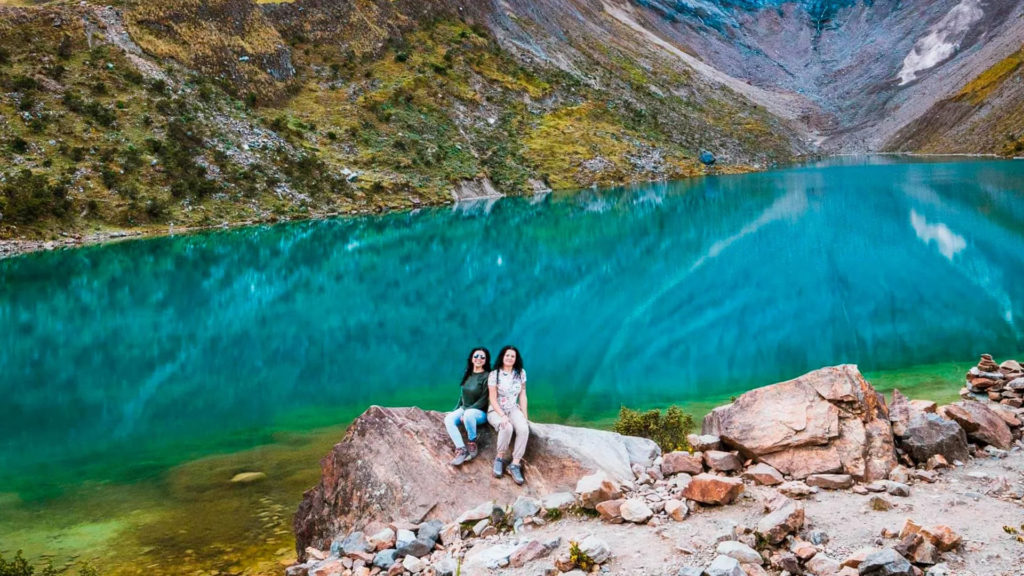
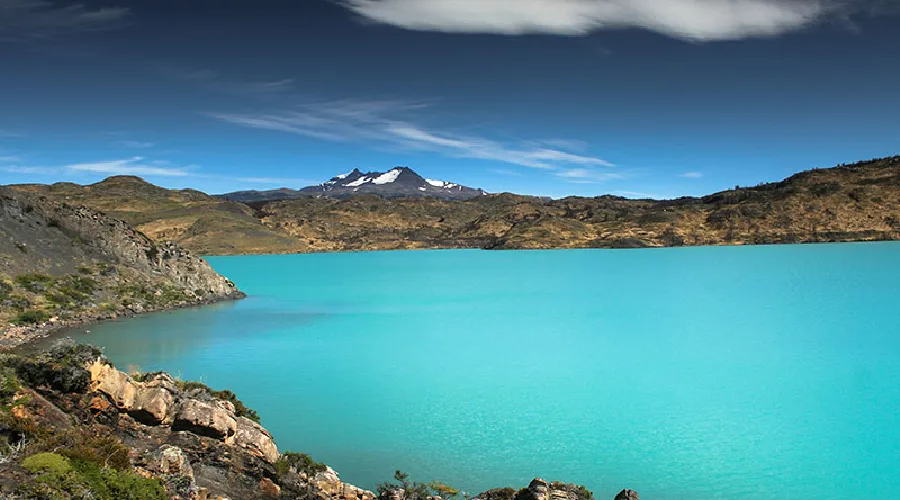
Peru’s turquoise lakes are among the most spectacular and captivating natural wonders of the Andes. Scattered high in the mountains, these intensely blue-green lagoons are true water treasures that dazzle visitors from all over the world. Found mainly in the regions of Cusco, Huaraz and Junín, these glacial lakes are fed by meltwater from the towering snowcapped peaks that dominate the Peruvian landscape. Their signature color, which ranges from bright turquoise to deep sky blue, comes from a unique mix of minerals and glacial sediment suspended in their crystal-clear water.
In this complete guide, you’ll discover the origin, significance and location of these spectacular mirrors of water that reflect the majesty of the Peruvian Andes, plus tips for visiting them. Learn more->
Ecological and Cultural Importance of the Turquoise Lakes
Turquoise lakes play a vital role in the Andean ecosystem. They act as natural water regulators, storing glacial meltwater and releasing it gradually throughout the year, which keeps water flowing to communities and ecosystems in the lowlands.
Culturally, these lagoons are considered sacred places in the Andean worldview. Local people revere them as the dwelling places of water spirits and as sources of life. Many Quechua and Aymara communities hold offering ceremonies to the earth (despachos) on their shores to give thanks and ask for abundance.
These bodies of water are also sensitive indicators of climate change. Their volume, composition and even their very existence have been affected by the rapid retreat of Andean glaciers, making them silent witnesses to global environmental change.
Features and Formation of the Turquoise Lakes
Turquoise lakes have fascinating features that make them truly unique natural phenomena. Their formation and properties are the result of geological processes that began thousands of years ago and are still at work today.
Their main features include:
Unique color: The distinctive turquoise hue comes from «glacial milk,» a suspension of mineral particles finely ground by the movement of glaciers.
Extreme cold: The water stays very cold all year round, usually between 3°C and 7°C (37°F–45°F).
Exceptional purity: Because they are fed directly by glacial meltwater, they contain minimal biological and chemical contamination.
Remote location: Most sit at altitudes between 4,000 and 5,000 meters (13,100–16,400 ft), in glacial basins or moraines left behind by retreating ice.
These lakes usually begin to form when a retreating glacier leaves behind a natural depression (a glacial cirque). The hollow then fills with meltwater loaded with ultra-fine sediment that stays permanently suspended in the water, creating that stunning turquoise effect.
Legends and Symbolism of the Turquoise Lakes
Turquoise lakes are wrapped in a rich tapestry of legends that reflect their importance in the Andean imagination. According to oral tradition, these lagoons are the «eyes of the earth,» connecting the world of the living with the spirit world.
Turquoise lakes in the Peruvian Andes
One of the most widespread legends says that the most beautiful turquoise lagoons were formed from the tears Pachamama (Mother Earth) shed over the loss of her beloved glaciers, making them eternal reminders of the need to protect nature.
In other stories, these waters are home to mystical beings such as the «Andean Mermaid» or the «Amaru» (a mythical serpent), jealous guardians who can bless or punish anyone who enters their domain without proper respect.
Their turquoise color is seen as a symbol of purity and a connection to the sky, representing the perfect union of the celestial and earthly energies that are always flowing in the Andean worldview.
Visiting the Turquoise Lakes: What to Expect
Visiting Peru’s turquoise lakes is a sensory and spiritual experience like no other. The contrast between the vivid color of the water, the white of the snowcapped peaks and the deep blue of the Andean sky creates dreamlike landscapes you’ll never forget.
The experience includes:
The approach hike: Most of these lagoons require a hike of 1 to 5 hours to reach, which only adds to the sense of discovery.
Outstanding photography: The light and color create unique photo opportunities, especially at sunrise and sunset.
Stillness and reflection: The majesty of the surroundings naturally invites quiet reflection and a deeper connection with nature.
Unique wildlife: You may spot species adapted to life at high altitude, such as Andean ducks, huallatas (Andean geese) and, if you’re lucky, the elusive Andean cat.
Some of the most visited turquoise lakes include Humantay Lake (Cusco), Laguna 69 (Huaraz), the Llanganuco Lakes (Cordillera Blanca) and Lake Parón, each with its own character but all sharing that breathtaking color.
Tips for Visiting the Turquoise Lakes
To make the most of your visit to the turquoise lakes, keep the following in mind:
Acclimatization is a must: Most of them sit at high altitude, so it’s essential to acclimatize for at least 2 days in a city like Cusco or Huaraz.
Physical preparation: The hikes in are usually demanding because of the altitude and steep slopes, so get in shape ahead of time.
The right gear: Bring warm clothes (even on sunny days), high-SPF sunscreen, sunglasses, and plenty of water and food.
Respect the environment: Don’t leave any trash behind, don’t disturb the local plants and wildlife, and be respectful of local beliefs.
Local guide: Hiring a knowledgeable guide improves the experience and supports the local economy, while also making you safer on terrain that can sometimes be tricky.
The best time to visit is the dry season (May to October), when rain is less likely and the trails are in better shape. Keep in mind, though, that it can get bitterly cold at dawn, with below-freezing temperatures even in the dry season.
Conclusion
Peru’s turquoise lakes are among the most impressive and fragile natural treasures of the Andes. Their mesmerizing beauty is not only a gift to the senses but also a reminder of the delicate relationship between glaciers, water and the communities that depend on them.
Visiting these liquid jewels connects us with the primal forces that have shaped the Andean landscape for millennia, and with the cultural traditions that have revered these places as sacred. But this experience also comes with a responsibility: helping to preserve these unique ecosystems in the face of threats from climate change and human activity.
Ultimately, the turquoise lakes are silent witnesses to Peru’s glacial past and messengers of a future that depends on our ability to protect the planet’s water resources.
At Machupicchu Haha Trips we do not promote or allow the sexual exploitation of girls, boys and adolescents (ESNNA), nor any other crime we become aware of in the course of our work. As a travel agency in Cusco, we adopt the Code of Conduct against ESNNA in tourism of Peru’s Ministry of Foreign Trade…
Qosqo Center for Native Art is synonymous with living identity in Cusco. Recognized as the pioneering folk ensemble of the city, the Qosqo Center for Native Art preserves, researches, and stages traditional dances, music, and costumes from different provinces of southern Peru. Unlike a standard tourist show, it is a cultural platform that safeguards knowledge,…
Qoyllur Rit’i: The Most Important Spiritual Pilgrimage in the Andean World A journey that brings together faith, culture and nature in the heart of the Peruvian Andes. Location The Qoyllur Rit’i pilgrimage takes place on the Sinakara snow peak, part of the Ausangate massif, southeast of Cusco, in the community of Mahuayani, Ocongate district,…