Cusco is one of the most fascinating destinations in the world, a city that combines the grandeur of the Inca Empire with the elegance of Spanish colonial heritage. Located in the heart of the Peruvian Andes, it attracts millions of visitors every year. The time of year you choose can greatly influence your trip, so this guide explains the best time to visit Cusco according to the weather, the crowds, prices and festivals.
Best time to visit Cusco at a glance
|
Dry season (May–October) |
Rainy season (November–April) |
| Weather |
Sunny days of 15–20 °C, very cold nights |
Frequent rain (heaviest in January and February), mild temperatures |
| Crowds |
Peak season from June to August |
Fewest visitors of the year |
| Prices |
Flights, hotels and tours cost more |
Lower prices on lodging and tours |
| Best for |
Trekking, Machu Picchu, festivals (Inti Raymi, Corpus Christi) |
Culture, museums, green landscapes and photography |
Cusco’s climate: two well-defined seasons
Cusco sits at 3,400 meters above sea level, and its altitude shapes the weather. The city has two clearly defined seasons, dry and rainy, and knowing them is the key to deciding when to travel.
Dry season in Cusco (May to October)
The dry season is considered the best time to visit Cusco. Days are sunny with clear skies, temperatures range between 15 °C and 20 °C during the day, and rain is scarce, so trails stay dry for hikes and excursions. Nights, however, can be very cold, especially in June, July and August, so dress in layers.
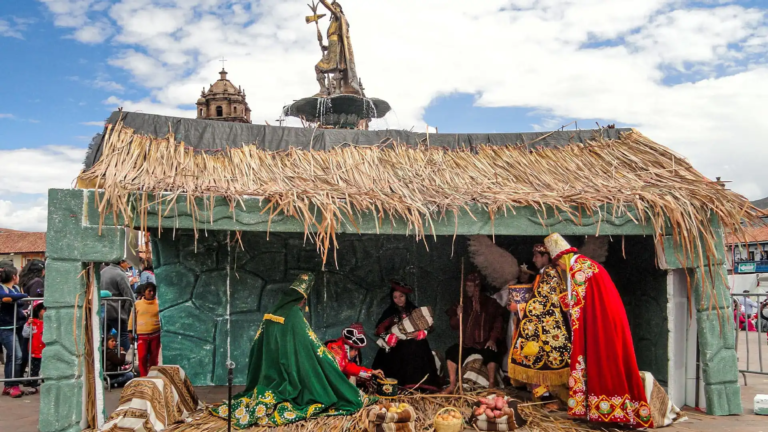
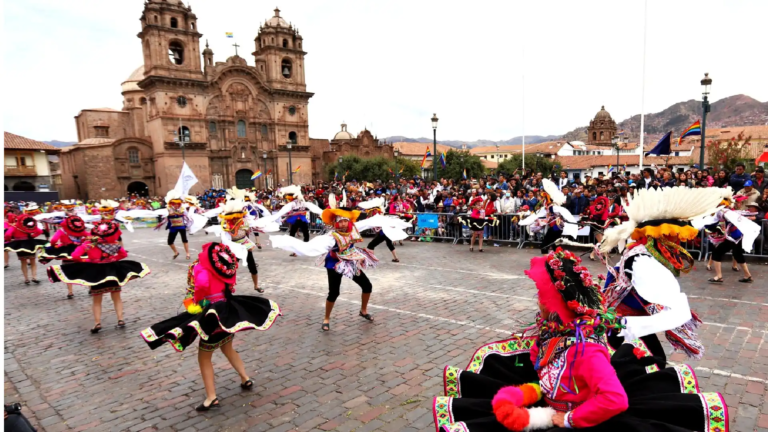
May and June are excellent months: landscapes still keep the green of the rainy season, perfect for photography, and the city celebrates major festivities such as Corpus Christi and Inti Raymi (June 24), when parades, dances and rituals fill the streets.
July and August are the peak of the tourist season. Streets, markets and sites such as Machu Picchu and the Sacred Valley receive the most visitors, and prices for flights, hotels and tours rise. Book tours and accommodation well in advance, or consider less crowded routes such as the Salkantay Trek or the Lares Trek.
- Advantages: clear skies, safe trails and traditional festivities.
- Disadvantages: more tourists and higher costs.
Rainy season in Cusco (November to April)
Rain is frequent, especially in January and February, the rainiest months, and humidity is high, although temperatures remain mild. It is not the best season for trekking, but the city doesn’t lose its charm: with the fewest visitors of the year, museums, temples and markets can be explored calmly, for a more intimate experience of local culture.
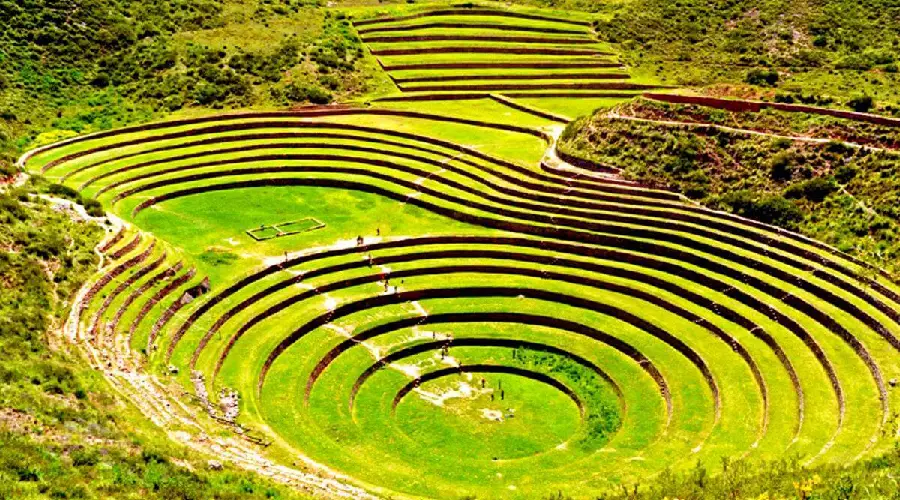
The landscape turns lush green, with flowers in bloom and rivers flowing strongly — a special moment for photography and nature lovers. Costs for lodging, tours and tickets also drop, which makes it a good option for travelers on a budget.
- Advantages: fewer people, lower prices and spectacular green landscapes.
- Disadvantages: frequent rain and muddy trails.
- How to prepare: bring a rain poncho or waterproof jacket, sturdy shoes, and keep your itinerary flexible.
So, when should you go?
- For trekking and the clearest views of Machu Picchu: May to September.
- For festivals: June (Inti Raymi and Corpus Christi).
- For a balance of good weather and fewer crowds: May, September and October.
- For lower prices and a quieter city: November to April, avoiding January and February if you plan to hike.
What to see in Cusco in any season
Historic center
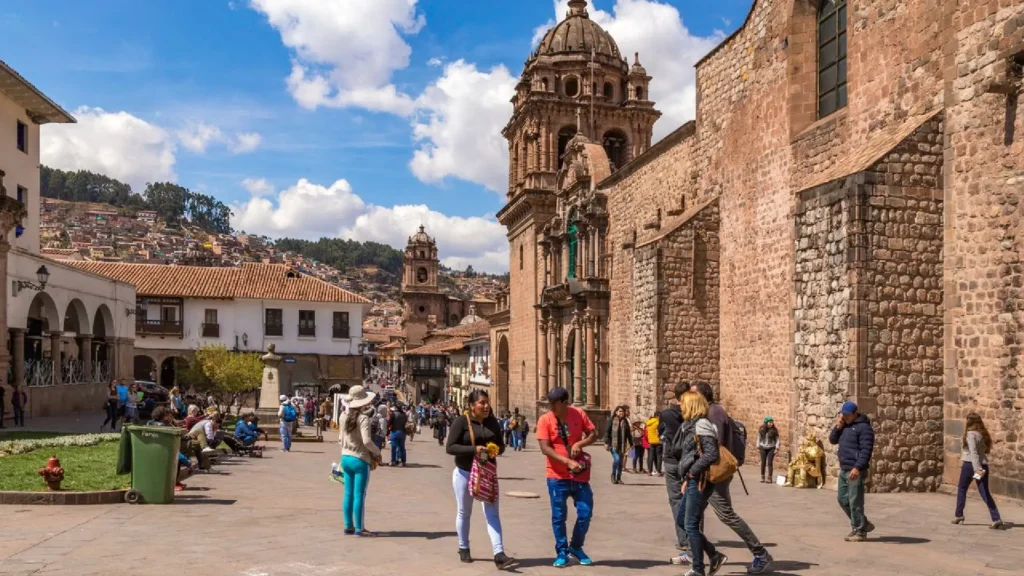
The historic center of Cusco, a UNESCO World Heritage Site, combines Inca heritage with Spanish colonial architecture. The Plaza de Armas is the heart of the city, surrounded by colonial houses, restaurants and craft shops. The Cathedral and the Qorikancha (Temple of the Sun) are must-visit landmarks that reveal both the Inca past and the colonial influence.
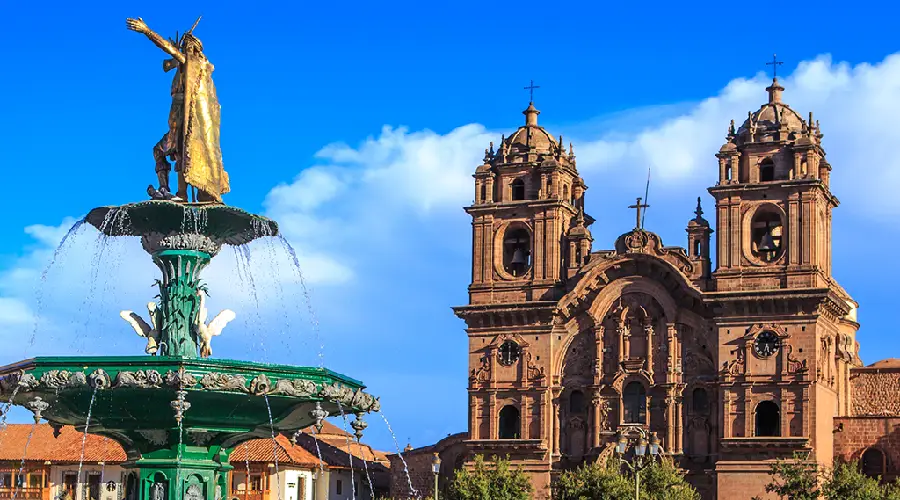
San Blas neighborhood
San Blas is Cusco’s artisan district. Its narrow cobbled streets are home to artists’ workshops, galleries and shops of local products, where ancient traditions blend with contemporary creativity.
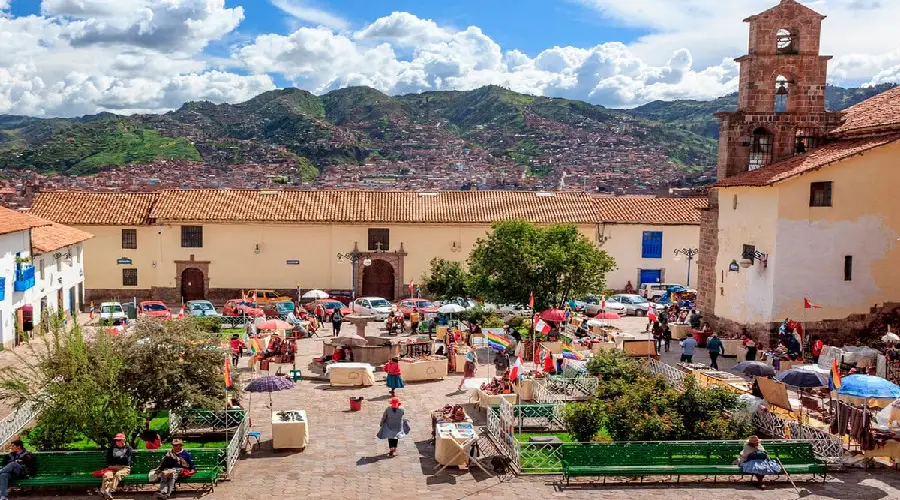
Must-see excursions from Cusco
Sacred Valley of the Incas
The Sacred Valley is one of the most popular excursions from Cusco. This fertile valley is home to archaeological sites such as Pisac, Ollantaytambo and Chinchero, and to communities that keep Andean traditions, textiles and ancient farming techniques alive.
Machu Picchu
Cusco is the gateway to Machu Picchu, one of the New Seven Wonders of the World. You can get there on foot along the Inca Trail or alternative treks like Salkantay and Lares, or by panoramic train. For a complete experience, the Sacred Valley and Machu Picchu 2-day tour combines the valley’s sites with the citadel in one well-organized trip.
Cusco’s food
Cusco’s cuisine blends Andean traditions with colonial influences. Try dishes such as cuy chactado (fried guinea pig), pachamanca, Andean trout and rocoto relleno. San Pedro Market is a full sensory experience of exotic fruits, Andean spices and traditional preparations.
Practical tips for visiting Cusco
- Acclimatize: rest during the first 24–48 hours, drink plenty of water, try coca tea and avoid intense exertion until your body adjusts to the altitude. Read more on how to avoid altitude sickness in Cusco.
- Dress in layers: the sun can be intense during the day, but nights are cold in every season. Bring sunscreen, warm clothes and comfortable shoes for the cobblestone streets.
- Book ahead in high season: especially Machu Picchu tickets, trains, tours and hotels from June to August.
- Getting around: the historic center is walkable; for more distant sites, organized tours with a guide save time and add context.
Conclusion
There is no bad time to visit Cusco, only different experiences: the dry season brings clear skies, festivals and the best conditions for trekking, while the rainy season offers green landscapes, quieter streets and lower prices. Choose the season that fits your plans, and Cusco will welcome you with the warmth of its people and the magnificence of its history.