Introduction
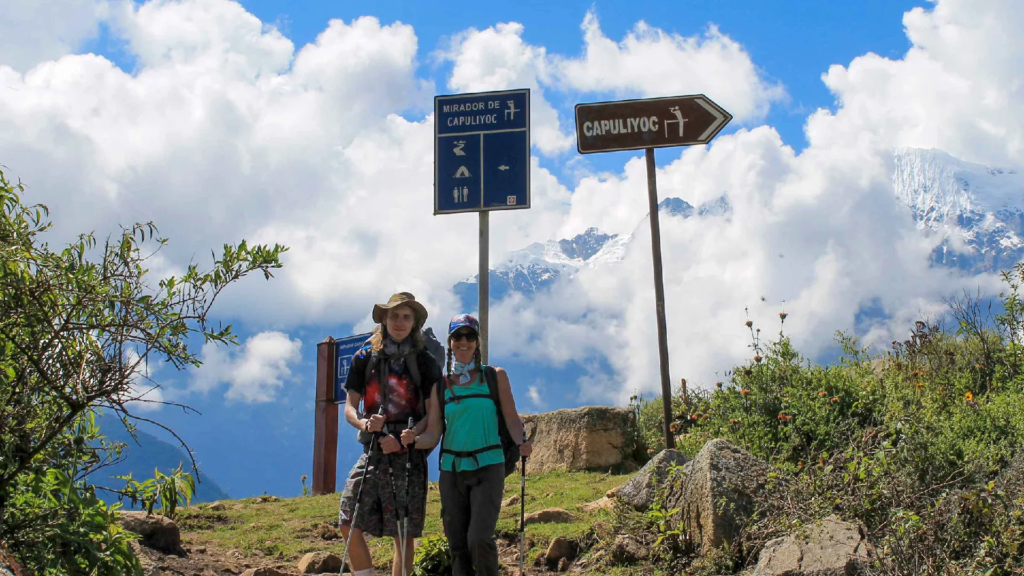
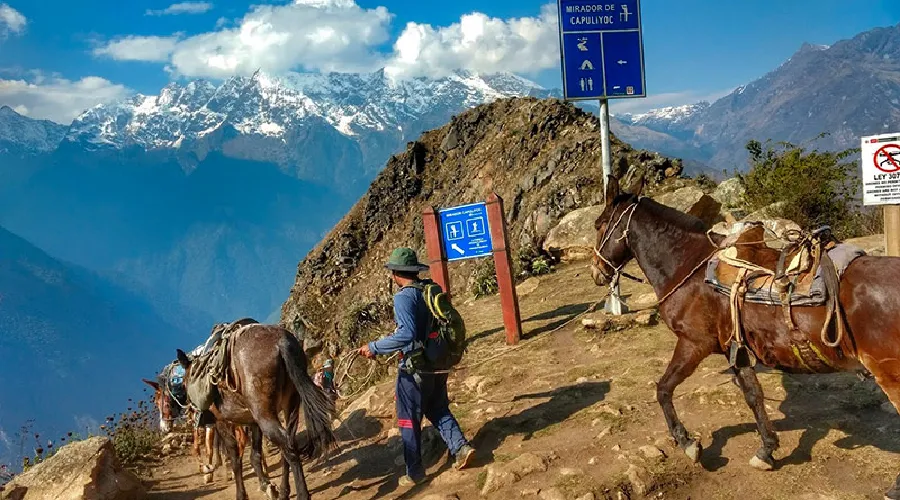
The Capuliyoc Viewpoint Choquequirao is one of the most striking locations along the journey to the archaeological site of Choquequirao. Perched atop a mountain in the Vilcabamba range, this natural balcony offers one of the most stunning views of the Apurímac Canyon, making it one of the most photogenic spots in southern Peru.
Capuliyoc is more than just a stop on the trek. It’s the first visual embrace of the vast Andean landscape—a prelude that marks the true beginning of the adventure toward Choquequirao, and a destination that justifies a visit on its own. In this article, we’ll explore why the Capuliyoc Viewpoint is a must-visit for adventurers, photographers, and nature lovers alike.
Guía Completa para Visitar Choquequirao →
Where is the Capuliyoc Viewpoint Located?
Capuliyoc Viewpoint is situated in the Anta province, Cusco region, at an altitude of about 3,000 meters above sea level. The access route begins in the town of Cachora, roughly a 4-hour drive from Cusco city.
From Cachora, travelers hike for about 2 to 3 hours to reach the lookout. Many see this point as the true start of the Choquequirao trek, as it offers the first sweeping view of the route ahead, including the Apurímac Canyon, its namesake river, and sections of the path toward Marampata.
Panoramic Views from the Lookout
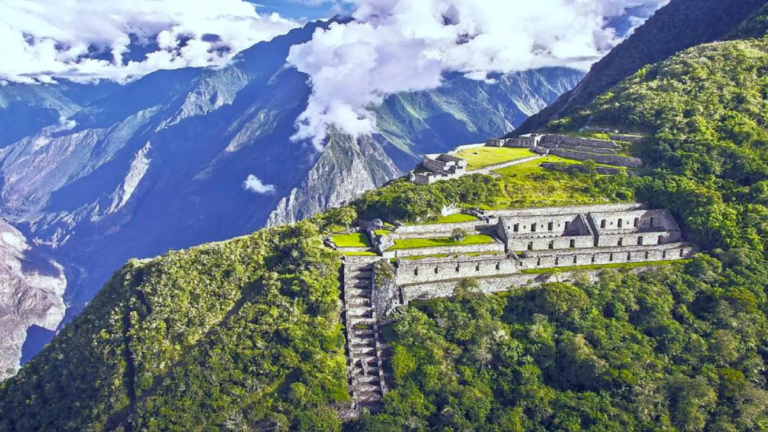
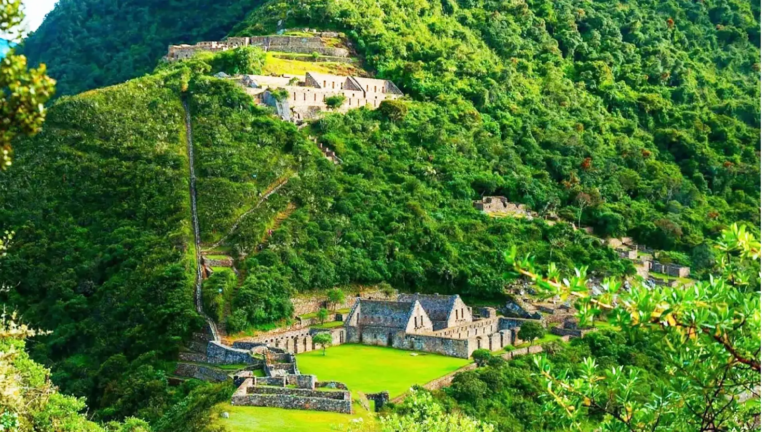
From the Capuliyoc Viewpoint, you’re greeted with a breathtaking panorama of the Apurímac Canyon, regarded as one of the world’s deepest. On clear days, it’s even possible to spot parts of the Choquequirao ruins and the trails that weave through the mountain slopes.
You can often witness the flight of majestic Andean condors and other high-altitude birds, making this spot ideal for wildlife observation. Sunrise and sunset here are unforgettable, as golden light paints the canyon walls and distant snowcapped peaks.
Significance on the Route to Choquequirao
The Capuliyoc Viewpoint plays a key role in the Choquequirao trekking route. It marks the transition from the motorable section to the start of the trekking trail. It also serves as an acclimatization and resting area before descending toward the Apurímac River.
Tour operators often use Capuliyoc to organize porter teams, adjust gear, and prepare hikers for the journey ahead. Its strategic location allows for better planning of trekking pace and itinerary time distribution.
The Tourist Experience
A visit to the Capuliyoc Viewpoint Choquequirao is truly unforgettable. Whether included in a full Choquequirao tour or as a standalone day hike, the visual impact and energy of the place leave a lasting impression.
At the viewpoint, you’ll find rest areas, marked observation points, basic amenities, and even opportunities to enjoy an outdoor meal with an incredible view. Some VIP trekking packages offer gourmet breakfasts or hot coffee right on the cliff’s edge.
For those not planning the full trek, this spot also makes for an excellent roundtrip excursion from Cachora.
Capuliyoc Viewpoint for Photographers
Capuliyoc is a dream for landscape photography enthusiasts. The light conditions at dawn and dusk are perfect for capturing dramatic shots of the canyon, river, and mist drifting across the hills.
A tripod, wide-angle lens, and extra batteries are highly recommended. The lack of light pollution also makes it ideal for night photography, offering incredible starry skies and the chance to capture the Milky Way.
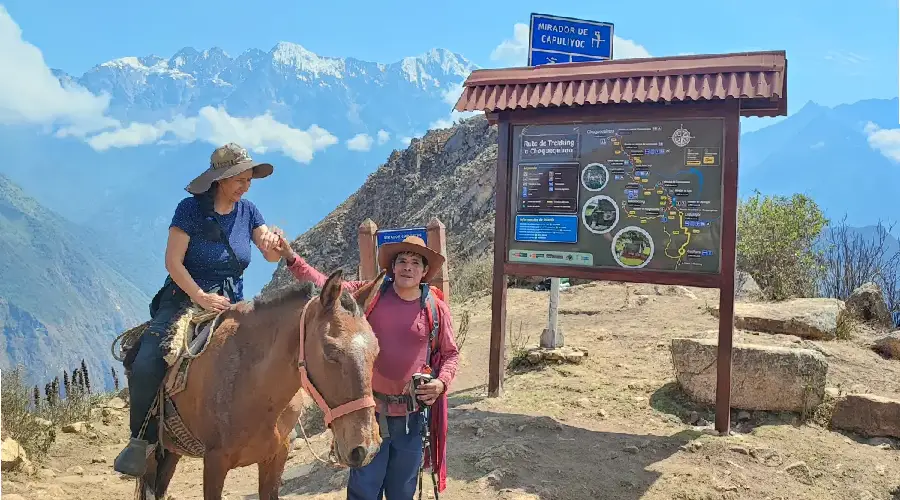
Tips for Your Visit
- Wear layered clothing: The weather changes quickly. It can be chilly in the morning and hot during the day.
- Sun protection: A hat, sunglasses, and sunscreen are essential due to the altitude.
- Good footwear: While not technical, the trail requires hiking shoes with good grip.
- Hydration: Bring a reusable water bottle and stay hydrated. The sun is strong at over 3,000 meters above sea level.
- Best season: Visit from May to October to avoid rain and enjoy clear skies.
Conclusion
The Capuliyoc Viewpoint Choquequirao is far more than a stop along the way. It’s an experience in itself, capturing the grandeur of the Andes and the mystique of the ancient Inca trails. From its sweeping views to its spiritual atmosphere, this viewpoint deserves a top spot in any Choquequirao adventure.
Whether you aim to complete the full trek or are seeking a scenic and accessible natural spot from Cusco, Capuliyoc offers a rare blend of accessibility, raw beauty, and cultural depth. It’s a place that connects you not just to history—but to the soul of the Peruvian landscape itself.