Is it worth traveling to Cusco and Machu Picchu during the rainy season? For many travelers, yes: between November and March there are fewer crowds, better prices and intensely green landscapes you won’t see in the dry season. But you’ll also need to plan differently. In this guide, we explain what the weather is like month by month, which tours work best, which ones are better to avoid, and what to pack so you can enjoy Cusco even when it rains.
When is the rainy season in Cusco?
Cusco has two seasons: the dry season, from April/May to October, and the rainy season, from November to March. The rains start gradually in November, are heaviest from December to February and taper off in March.
| Month |
What it’s like |
Keep in mind |
| November |
The rains begin, with many days still sunny |
A good balance of weather and few visitors |
| December |
Frequent rain, especially in the afternoon |
Christmas, Santurantikuy and New Year’s; book ahead |
| January |
One of the rainiest months |
Low season and better prices |
| February |
One of the rainiest months |
The Inca Trail closes all month; Carnival |
| March |
The rains start to ease |
Very green landscapes and the Inca Trail reopens |
Read our month-by-month guides: Cusco in December, Cusco in January and Cusco in February.
What the weather is like in the rainy season
Typically, mornings bring some sunshine, while clouds and showers roll in during the afternoon and evening. In Cusco, highs are around 18 to 20 °C (64 to 68 °F) and nights drop to 4 to 7 °C (39 to 45 °F). Machu Picchu and Aguas Calientes, lower in elevation and surrounded by forest, are warmer and more humid, and mist often covers the citadel at sunrise.
Pros and cons of traveling in the rainy season
Pros
- Fewer visitors at Machu Picchu and the Sacred Valley sites (except during the year-end holidays).
- More availability and better hotel prices.
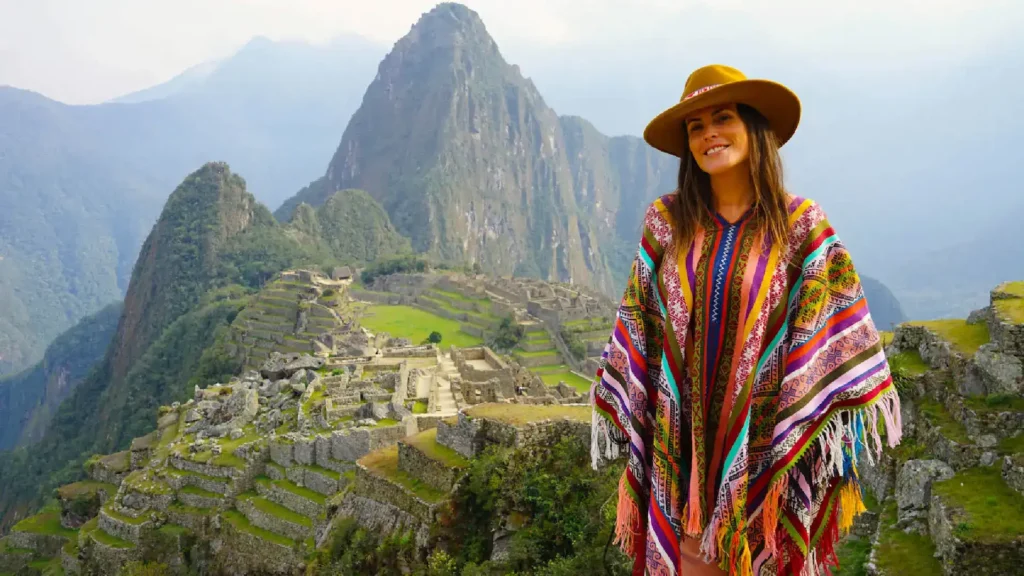
- Green landscapes, waterfalls and orchids in bloom.
- Traditional festivals like Santurantikuy and Carnival.
Cons
- Almost daily rain and slippery trails.
- Clouds that can block the views, especially at Rainbow Mountain and Humantay Lake.
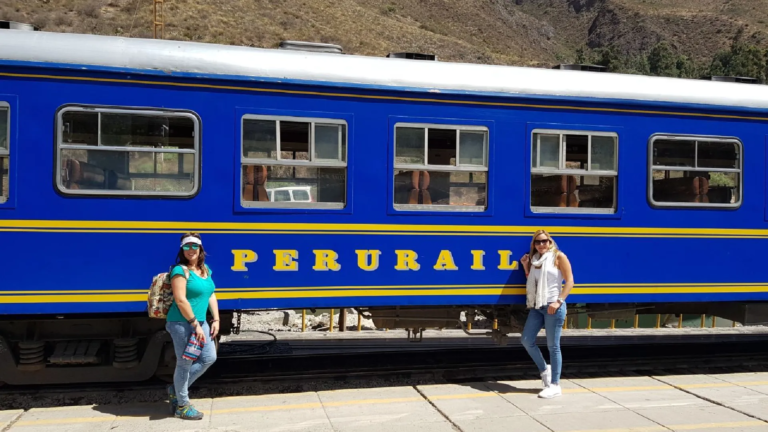
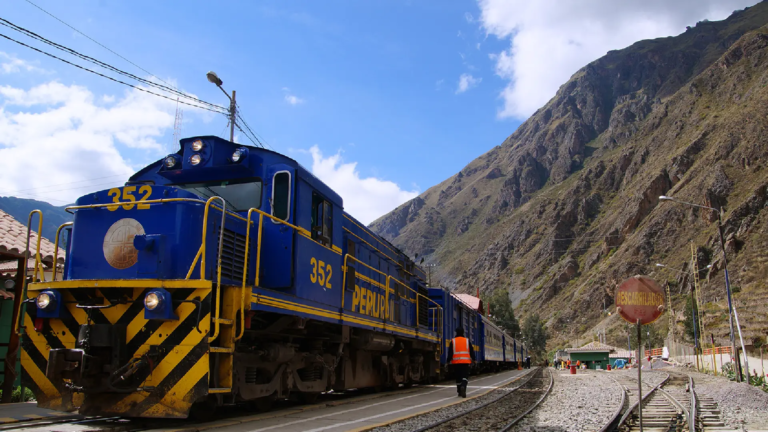
- Possible train and road delays due to landslides.
- The Inca Trail closes in February.
Which tours work best in the rain
- Rainbow Mountain and Humantay Lake: they run year-round, but snow, mud and clouds can hide the colors or the turquoise water. Pick days with a good forecast.
- Multi-day treks (Salkantay, Lares, Choquequirao, Ausangate): doable with good gear, but the high passes may have snow and the trails may be muddy.
- Inca Trail: open from November to January and in March, closed in February.
What to pack for the rainy season
- A waterproof jacket or poncho, and a rain cover for your backpack.
- Waterproof shoes with good grip and spare socks.
- Quick-drying layers.
- Waterproof bags for your phone and documents.
- Sunscreen, sunglasses and insect repellent.
Also check out our list of what to pack for Cusco and our guide to the best time to visit Machu Picchu.
Frequently asked questions about the Cusco rainy season
Is it worth visiting Machu Picchu in the rainy season?
Yes. There are fewer crowds, the scenery is very green and the mist gives it a special feel. Just bring rain gear and leave some wiggle room in your itinerary.
Does it rain all day in Cusco during the rainy season?
Usually not. Most often it rains in the afternoon and evening, and the mornings get some sunshine.
What is the rainiest month in Cusco?
January and February are the rainiest months.
Can you hike the Inca Trail in the rainy season?
Yes, except in February, when it closes for maintenance. From November to January and in March it’s open, with wetter trails.