January is the heart of the rainy season in Cusco. It’s one of the wettest months of the year, but also one of the quietest and greenest: there are fewer visitors, prices tend to be lower and Machu Picchu is wrapped in mist and lush vegetation. If you’re traveling in January, this guide will help you plan your itinerary to make the most of the dry hours and choose the tours that work best in the rain.
Cusco in January: Quick Facts
| Season |
Peak rainy season |
| Temperature |
Highs of about 18 °C (64 °F) at midday and lows of 4 to 7 °C (39 to 45 °F) at night |
| Rain |
Along with February, the rainiest month of the year; frequent showers, especially in the afternoon |
| Crowds |
Few after January 6; low season |
| Keep in mind |
The Inca Trail closes in February, so January is the last month to hike it before the annual closure |
Cusco Weather in January
In January, rain is frequent and sometimes heavy, but it rarely lasts all day. Typically, mornings have sunny spells and it rains in the afternoon. The moisture makes dirt and stone paths slippery, and at higher elevations, such as Rainbow Mountain, it can snow.
At Machu Picchu, the weather is warmer and more humid than in Cusco. Clouds drift up and down the mountains throughout the day, so it’s normal to see the citadel appear and disappear in the mist.
What to Pack for Cusco in January
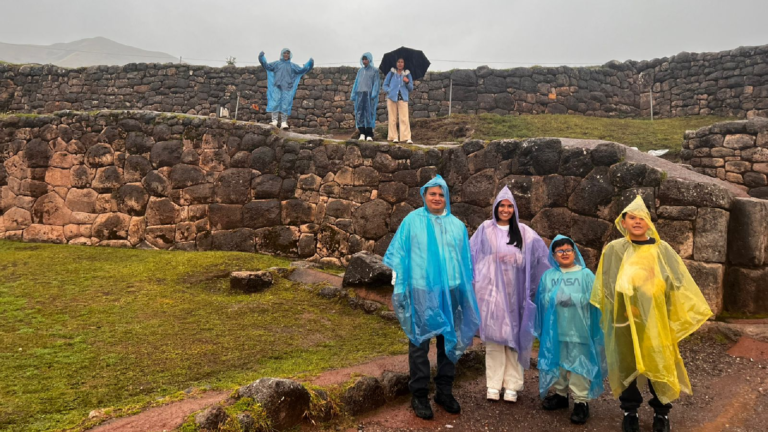
- A good-quality waterproof jacket or poncho, plus a rain cover for your backpack.
- Waterproof footwear with good grip and an extra pair of socks.
- Quick-drying layers; avoid cotton for hikes.
- Bags to protect your phone and documents from the rain.
- Sunscreen and sunglasses: between showers, the high-altitude sun is very strong.
January Festivals in Cusco
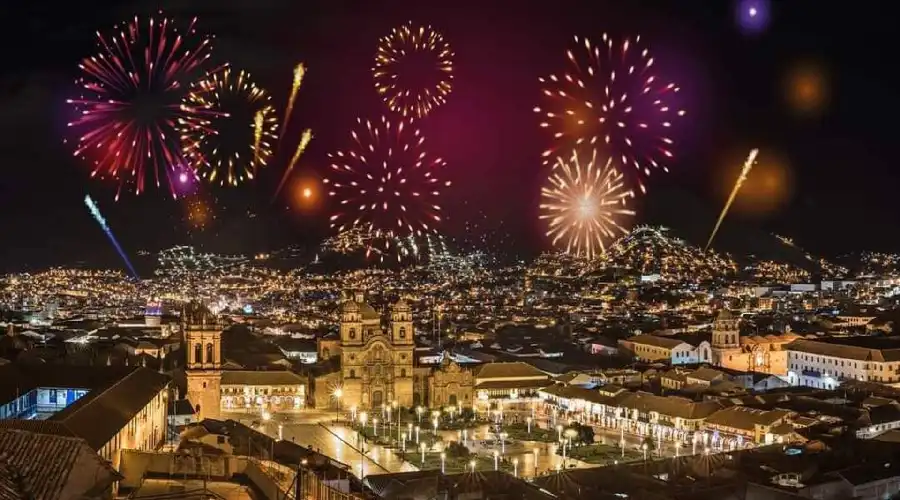
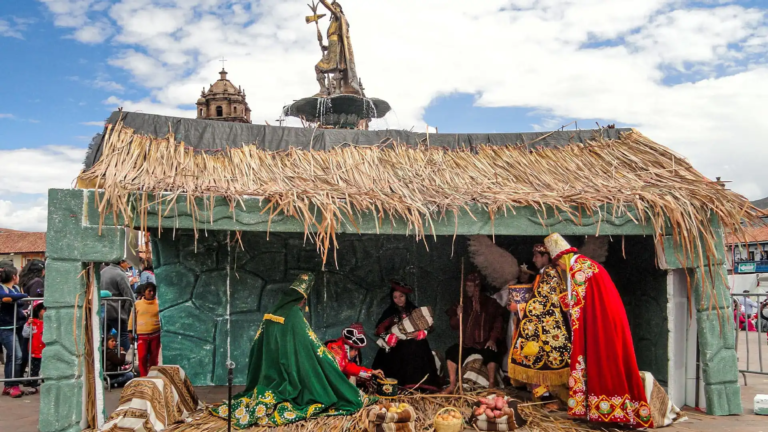
The year kicks off with a celebration: on New Year’s Eve the Plaza de Armas fills with people dressed in yellow, and on January 6 many families celebrate the Bajada de Reyes (Epiphany), which closes the Christmas season. Throughout the month, various towns also hold patron saint festivals. We cover them in our guide to January festivals in Cusco.
Best Tours to Take in January
- Machu Picchu: open year-round and less crowded than in high season. Bring rain gear and consider going early, when it usually rains less. Check out our Machu Picchu Full Day tour or the 2-day Sacred Valley and Machu Picchu tour.
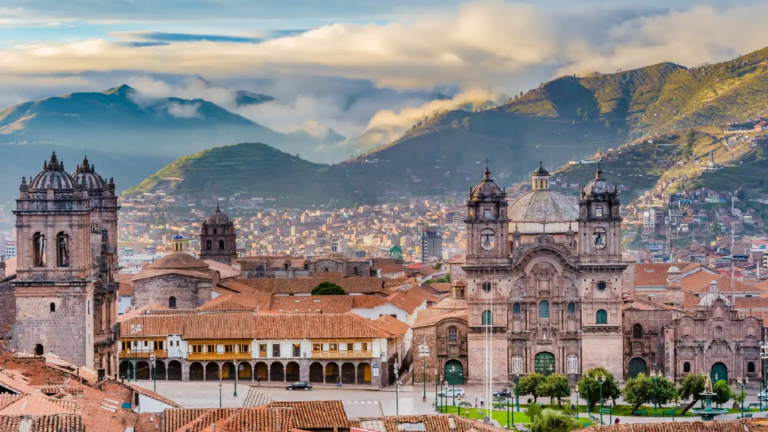
- City Tour, Sacred Valley and South Valley: these are the best options in the rain, since they combine transfers by vehicle with short walks. See the Cusco City Tour and the South Valley Tour.
- Inca Trail: still open in January, but it’s the month before the annual February closure and the trails are very wet. If you do it, bring full waterproof gear.
- Rainbow Mountain, Humantay Lake and long treks: doable, but snow, mud and clouds can affect the experience. Check the forecast and keep your dates flexible.
Tips for Traveling to Cusco in January
- Schedule outdoor activities for the morning.
- Leave buffer days: heavy rain can cause train and road delays.
- Take advantage of the low season: hotels usually offer better prices and more availability.
- Acclimatize before any high-altitude hike; here’s how to avoid altitude sickness.
If you’re traveling between November and March, also read our guide to the rainy season in Cusco and Machu Picchu.
Frequently Asked Questions About Cusco in January
Is January a good time to visit Cusco?
Yes, if you don’t mind the rain. There are fewer tourists, better prices and very green landscapes. Just plan your hikes for the morning and bring rain gear.
Is the Inca Trail open in January?
Yes. The Inca Trail closes in February for maintenance; in January it’s still operating, although the trails are wet.
Can you see Machu Picchu in the rain?
Yes. The citadel is open and, although it may be misty, it usually clears at times during the day.
What is the rainiest month in Cusco?
January and February are the rainiest months of the year.