The festivals of Cusco are the beating heart of Andean identity. Every June, the imperial city turns into a vibrant stage of color, music, dance and spirituality. From Corpus Christi to the majestic Inti Raymi, each festival is a living connection to the Inca past and the Catholic tradition, uniquely blended in Peru’s cultural calendar. This article will guide you through Cusco’s main celebrations, their iconic settings and key tips to make the most of this magical season.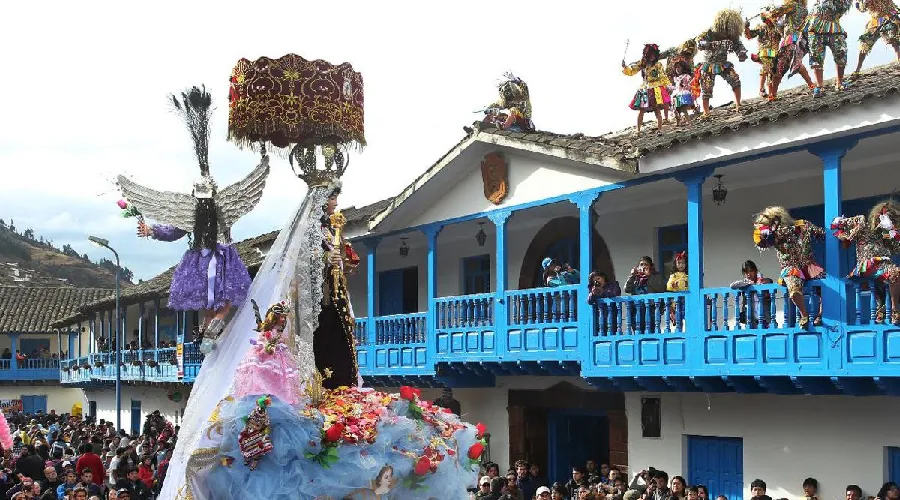
Where Are the Festivals of Cusco Celebrated?
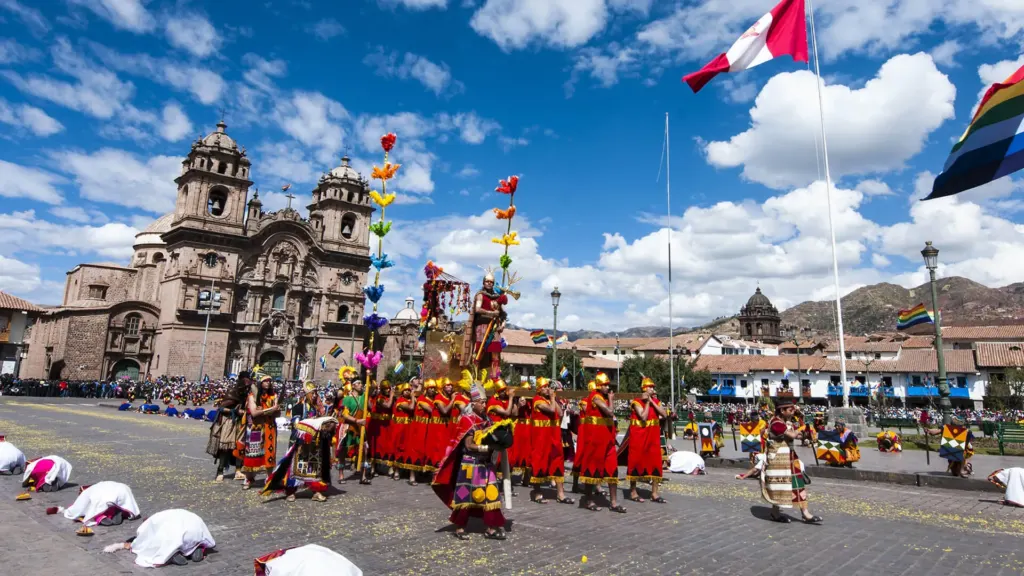
The festivals of Cusco are celebrated mainly in the city’s historic center. The Plaza de Armas is the epicenter of most activities, along with iconic sites such as the Qoricancha, Sacsayhuamán and the main colonial churches. During June, practically the whole city takes part in the celebrations, which include parades, street processions, artistic performances and ancestral rituals.
Origin and History of the Festivals of Cusco
The origin of these festivals dates back to Inca times, when Inti (the Sun) was worshipped as the main deity. With the arrival of the Spanish, these celebrations merged with the Christian liturgical calendar, giving rise to syncretic festivals such as Corpus Christi, where Catholic saints are combined with Indigenous customs.
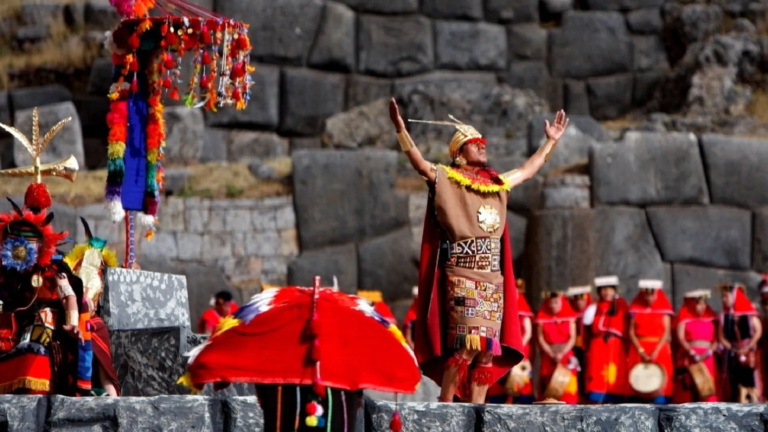
Inti Raymi, officially revived in 1944 as a theatrical reenactment of the winter solstice, is today one of the most important festivals in the country and a symbol of Cusco’s cultural pride.
Traditional Settings and Stages
The festivals of Cusco take place in settings that combine Inca splendor with colonial architecture.
- Plaza de Armas: The central point for parades, dances and solemn masses.
- Sacsayhuamán: The stage for Inti Raymi, where the ritual to the Sun god is reenacted.
- Qoricancha: The starting point of many religious processions and offering ceremonies.
- Cusco’s streets and neighborhoods: Decorated with flower carpets, arches, banners and traditional music.
Cultural and Spiritual Importance
These festivals represent a reaffirmation of Andean identity. Through every dance, traditional costume, mass and ancestral rite, they express the bond between the people of Cusco and their cultural roots.
Religious syncretism is also evident: Catholic saints are carried on litters alongside offerings to Pachamama and Inti, revealing a hybrid spirituality that has stood the test of time.
These festivals also strengthen collective memory, revitalize local economies and promote the passing down of traditional knowledge from one generation to the next.
The Visitor Experience
Traveling to Cusco during its festivals is an immersion in the living soul of Peru. Visitors can experience a unique mix of emotion, history and tradition.
- Taking part: You can join dance troupes, watch from colonial balconies or be part of ceremonies open to the public.
- Food: Try traditional dishes such as chiri uchu, tamales, baked guinea pig (cuy al horno) and homemade ponches (warm drinks).
- Photography: Capture scenes full of color, traditional clothing and unique rituals.
Tips for Enjoying the Festivals
- Book your accommodation in advance: June is high season in Cusco.
- Arrive early at the main events, especially Inti Raymi at Sacsayhuamán.
- Respect local traditions and take part with an open mind.
- Check the official calendar of events so you don’t miss any key activity.
- Bring warm clothing for the nights and sunscreen for the daytime.
Conclusion
The festivals of Cusco are more than a tourist event: they are a living expression of the history, spirituality and diversity of the Andean people. Each celebration is an opportunity to honor the past, strengthen the present and shape the future of a resilient and proud culture.
Visiting Cusco on these dates is a transformative experience. Come with respect, curiosity and an open heart: festive Cusco awaits you with the open arms of the Sun.