Festivals of Peru: A Journey to the Living Essence of Andean Culture
The festivals of Peru are a vibrant reflection of an ancient heritage where Inca tradition, ancestral beliefs and colonial influence come together. Every celebration, from the high plateau to the coast, is an opportunity to discover the joy, faith and diversity of our country. Peru dresses up in music, dances, colorful costumes and an unmatched energy that captivates locals and visitors alike.
These festivals are not just social events: they are a space for reconnecting with national and regional identity, where people pay tribute to saints, apus, Pachamama or the fertility of the land. In this guide you will discover the most iconic celebrations, their history and tips for experiencing them to the fullest.
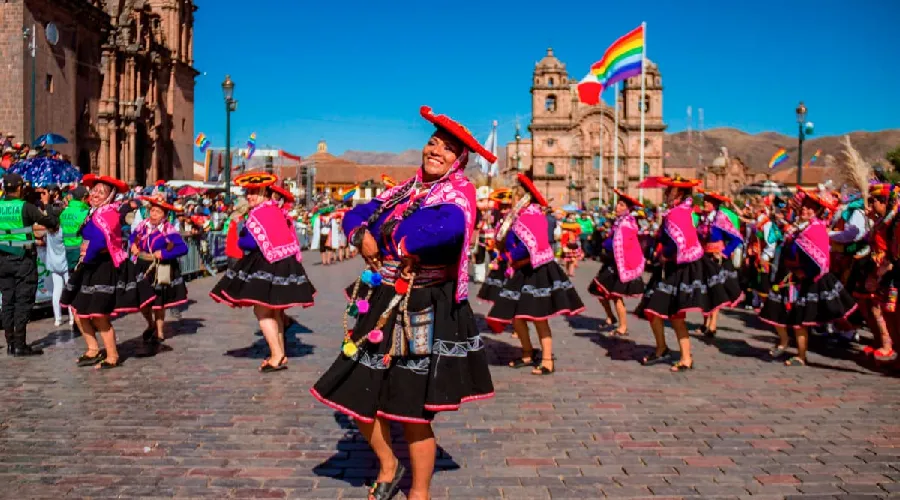
Where Are the Festivals of Peru Celebrated?
Peruvian festivals are celebrated all across the country, from the highlands of Cusco to the coastal deserts and the Amazon rainforest. Some of the best known, such as Inti Raymi, the Festival of the Virgen de la Candelaria or Holy Week in Ayacucho, have main venues, but many local festivals are lived with the same intensity in every region.
To attend, you can plan your trip in advance, either by booking specialized tours or traveling on your own. Access is usually easy from Peru’s main cities, especially during the festival season.
History and Origin of Peruvian Festivals
Festivals in Peru have deep roots in pre-Hispanic history. The ancient Incas and other native cultures held rituals tied to agricultural cycles, the sun, the moon and the spirits of nature. With the arrival of the Spanish, many of these festivals merged with the Catholic calendar, giving rise to syncretic celebrations that are unique in the world.
Today, every festival is a testament to cultural blending and resilience: from religious processions to carnivals and folk festivals, they all hold centuries of history, resistance and popular creativity.
Main Celebrations and Traditions
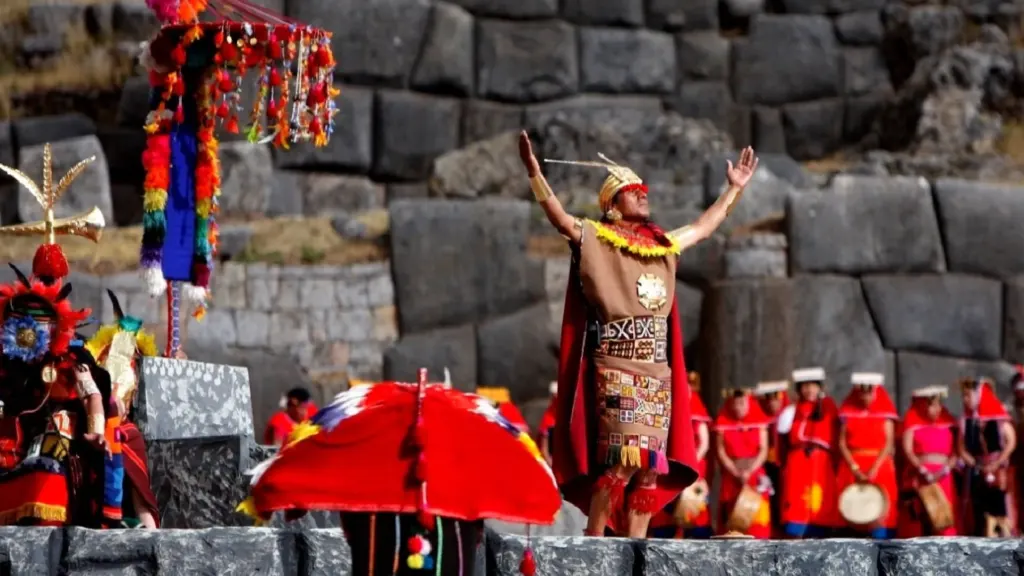
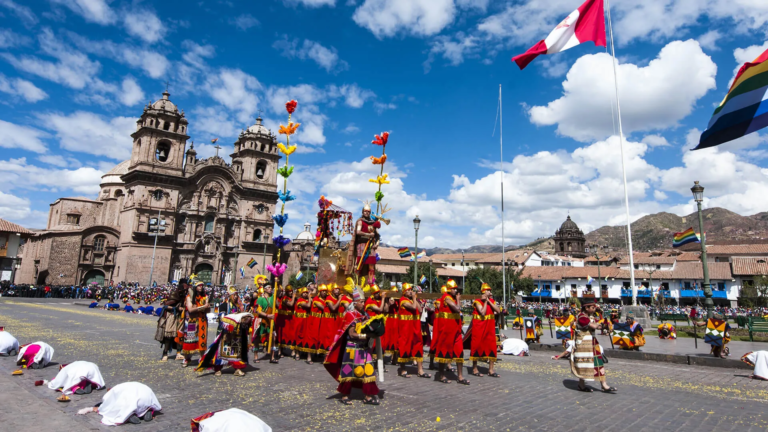
- Inti Raymi: The rebirth of the sun in Cusco, with colorful reenactments and ancestral rituals.
- Virgen de la Candelaria: Puno’s biggest festival, declared an Intangible Cultural Heritage of Humanity.
- Señor de los Milagros: In Lima, one of the largest processions in the Catholic world.
- Carnivals: All over the country, with music, water, talcum powder and dancing.
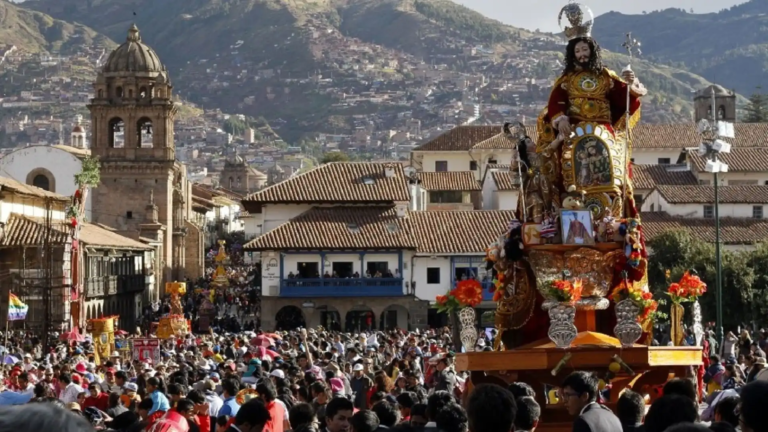
- Corpus Christi: Celebrated in Cusco with processions and traditional dishes.
- Holy Week: Ayacucho’s stands out for its solemnity and fervor.
- Local festivals: Such as the Festival of San Juan in the Amazon or Qoyllur Rit’i in the high Andes.
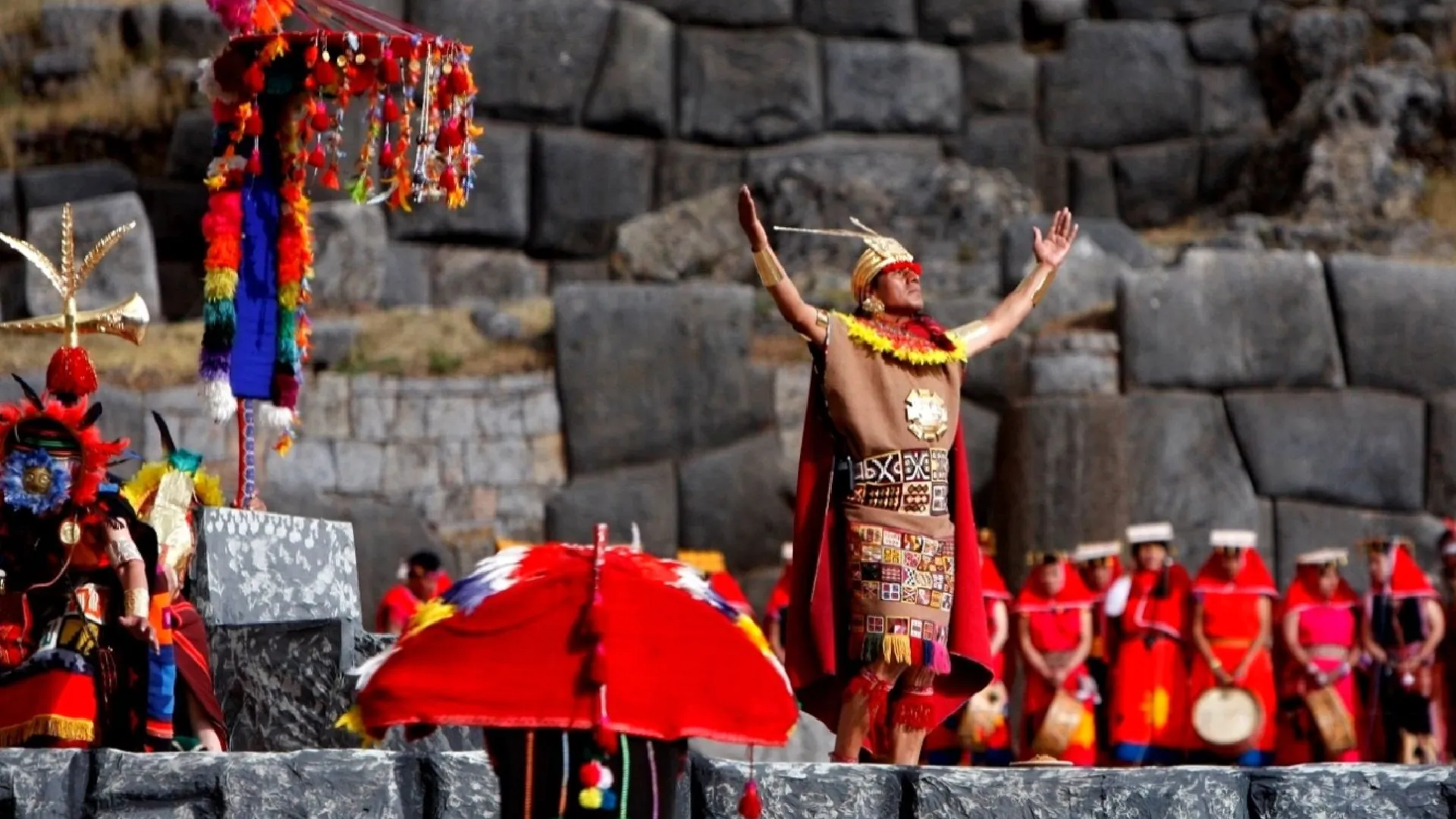
Cultural and Spiritual Importance
Peruvian festivals are much more than entertainment: they are a channel for collective expression, spiritual renewal and the reaffirmation of identity. Every dance, every traditional costume and every ritual shows respect for the land, the ancestors and the community.
The value of these celebrations lies in their ability to bring generations together, pass on knowledge and strengthen a sense of belonging. They are also a window to the world that shows the diversity and richness of our heritage.
The Visitor Experience
Experiencing a festival in Peru is unique: the hospitality of the people, the colorful streets, the passion of the participants and the infectious rhythm of the music create an atmosphere like no other.
- Photography: Perfect settings to capture the cultural essence and traditional costumes.
- Taking part: Many events invite visitors to dance, taste traditional food or join in the rituals.
- Learning: Ideal for those who want to understand the syncretism and living history of Peru.
- Connection: A chance to feel the collective energy and spirituality of the celebrations.
Tips for Enjoying the Festivals
- Find out about the dates and traditions of the festival you want to experience; some require advance bookings.
- Respect local customs and follow the organizers’ recommendations.
- Wear comfortable clothing and, if possible, bright colors to blend in with the atmosphere.
- Bring your camera or phone fully charged: every moment is worth remembering.
- Don’t hesitate to try the local food that goes with each celebration.
- If you attend large events, keep an eye on your belongings and keep an open, respectful attitude.
Conclusion
The festivals of Peru are the best way to feel the authenticity, color and excitement of our country. Beyond the dates and the processions, they are the soul of a people who celebrate their history, their faith and their diversity.
If you are planning a trip to Peru, include one of these festivals in your itinerary and get ready for a transformative experience. Every festival is an open door to joy and wonder!